
 EN
EN



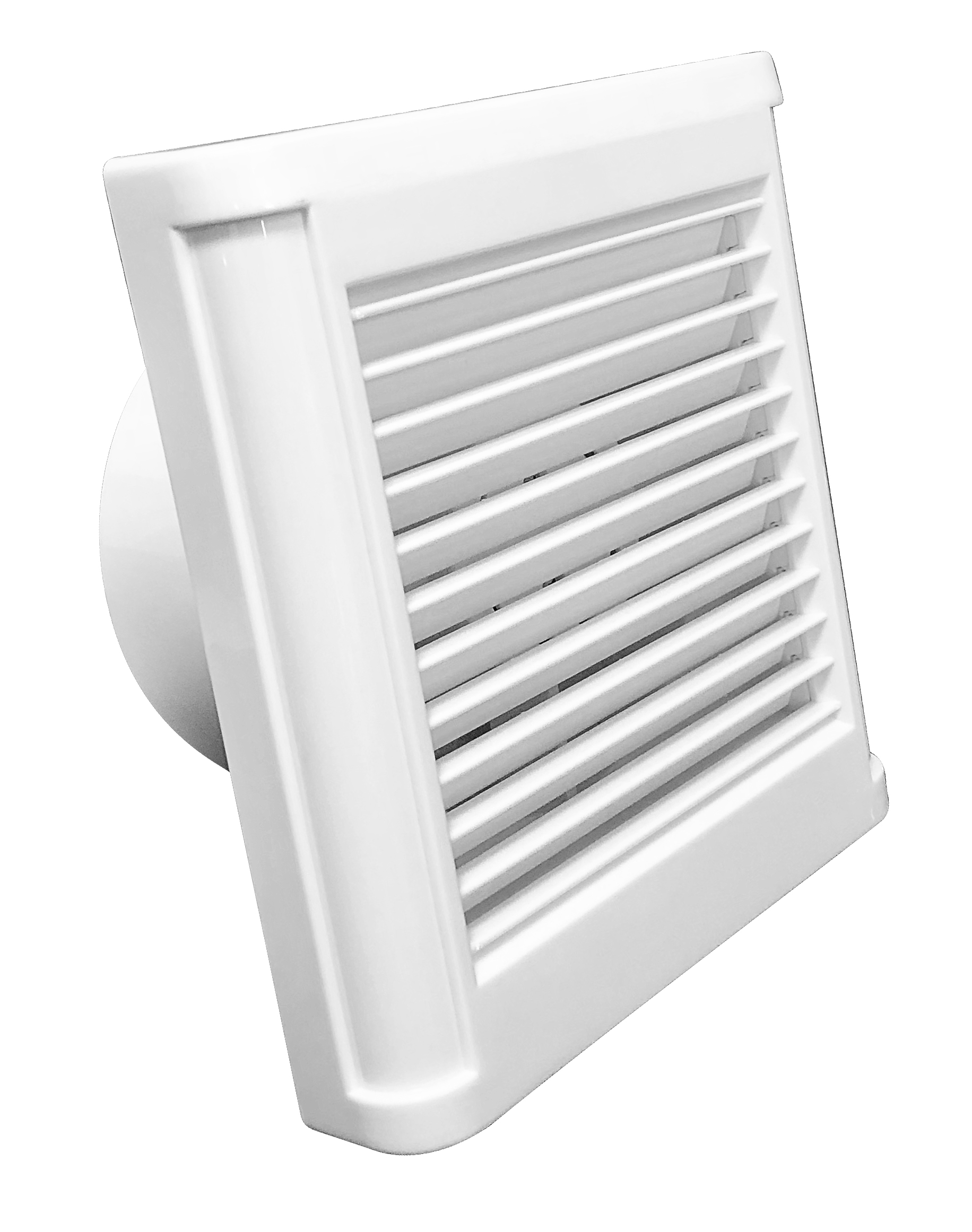
Hoe afvoerluggies vog verminder: Wetenskap, beperkings en werklike doeltreffendheid
Luguitruil-fisika: CFM, relatiewe vogtigheid en tydgebaseerde vogverwydering
Uitlaatventilators verminder vogtigheidsvlakke deur vogtige lug van binne te verwyder en droër lug van buite in te bring, wat die beginsel van dampdrukgradiënte toepas. Die hoofmaatstaf vir effektiwiteit is die lugbewegingsvolumegrens wat bekend staan as CFM (kubieke voet per minuut). Die effektiwiteit van hierdie maatstaf vir vogverwydering hang ook af van die relatiewe vogtigheid van die lug binne teenoor buite. Byvoorbeeld, ’n 100-CFM-ventilator in ’n 100-vk. voet-kamer kan tot 60% van die vogtigheid uit die lug in 15 minute verwyder—onder die aanname dat die lug buite nie vogtig is nie.
Vir doeltreffende vogverwydering moet die ventilators aanhou werk gedurende die aktiwiteit sowel as vir ’n tydperk daarna. Die grootte van die ventilator is ook belangrik, aangesien groter ventilators korter duur vir vogverwydering benodig. Kleiner ventilators verleng die droogtydperk van die kamer, wat die moontlikheid van skade aan die kamer en swamgroei verhoog—probleme wat deur die Amerikaanse Departement van Energie en ASHRAE-standaard 62.1 aangespreek is.
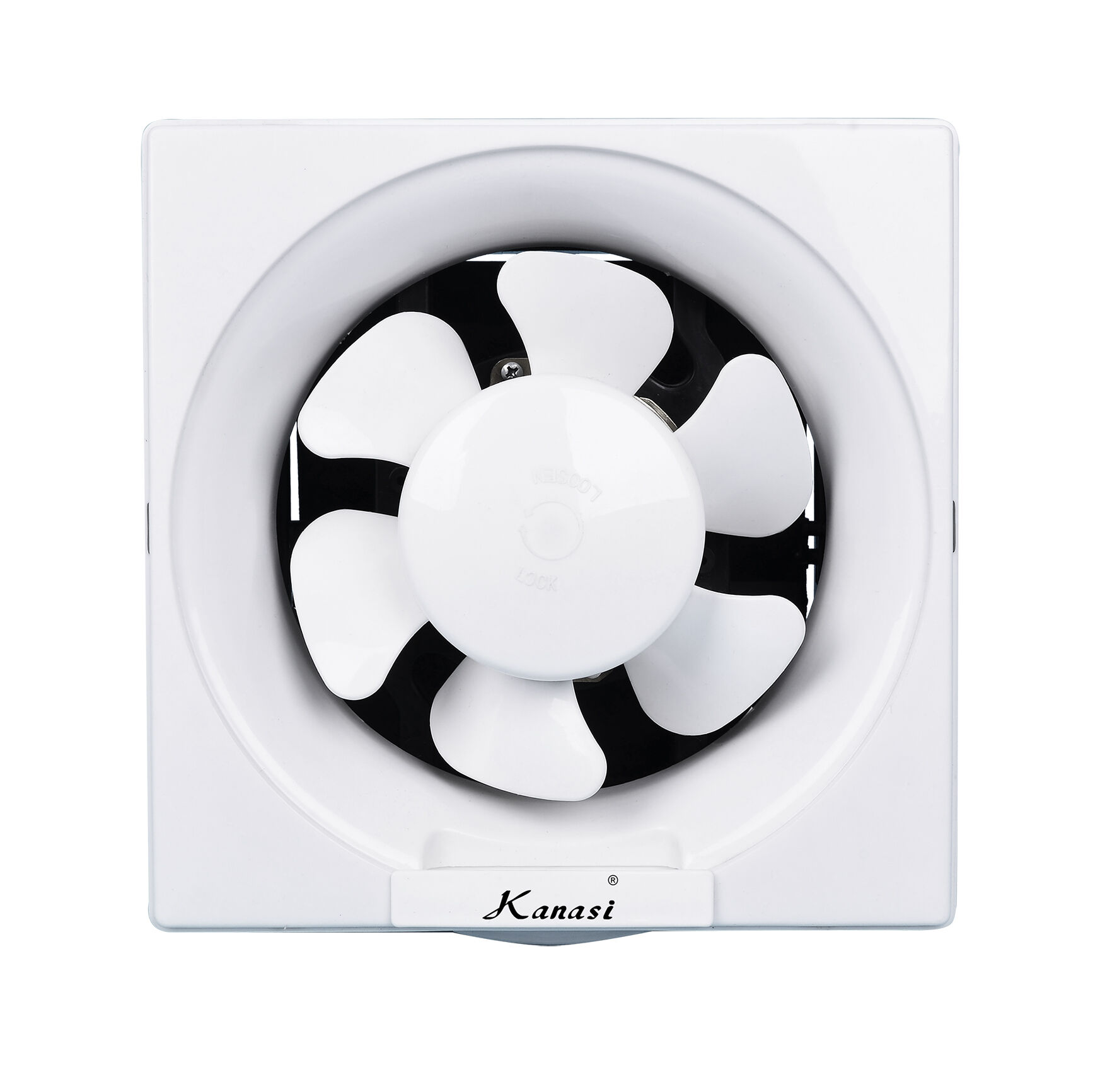
Wanneer vog vasbly: Die probleme van kondensasie, termiese brugging en lekkasie in lugkanaalstelsels
Wanneer daar vogretensie is, is dit 'n teken van 'n mislukte stelsel, en dit manifesteer nie altyd as 'n tekort aan CFM (kubieke voet per minuut) nie. Hier is die hoofoorseke:
Termiese brugging – Wanneer daar geen isolasie is nie, of wanneer daar 'n koue venster is, kan vog baie vinniger in die lug kondenseer as wat dit deur 'n ventilator verwyder kan word.
Lugkanaallekkasie – 30% van die vog in die lug wat uitgeblaas word, kan weer die gekondisioneerde ruimte binnekom, gewoonlik deur 'n ongesegelde of swak geïsoleerde lugkanaal (soos volgens die EPA se Indoor AirPLUS-program).
Negatiewe drukonbalans – Ventilators wat te klein is of verkeerd gebalanseer is, kan lug uit 'n dakkas, kruipruimte of selfs ander kamers aantrek.
Volgens die 2022 ASHRAE HVAC-toepassingshandboek veroorsaak hierdie probleme in 'n kommerciële omgewing byna 40% van klagte oor vogtigheid, ten spyte van nalewing van CFM-vereistes. Die oplossings om vogtigheidsklaagtes vanaf die stelsel te verwyder, behoort voortdurende isolasie, geslote lugkanaalwerk en gebouventilasiebalansering in te sluit.
Afvoerblaaerprestasie teen geure: Bronbeheer, lugverdunding en VOC-beperkings
Afvoerblaaers werk deur lug te verduun en die besmette lug uit 'n gebou te verwyder. Hierdie benadering werk vir vog of vir geure wat wateroplosbaar is, soos liggaamsgeure of geure uit die kombuis. Maar vir lug wat VOK's (vlugtige organiese verbindings) bevat — wat afkomstig is van skoonmaakoplosmiddels, kleefmiddels, verf en kunsmatige boumateriaal en meubels — is hierdie benadering nie haalbaar nie. Adsorpsie en stadige droëing sowel as uitgasning kan lei tot lug wat nie geventileer word nie en weer 'n geventileerde area binnekom.
Hoekom geurverwydering ≠ lugverwydering: 'n Ondersoek na die VOK-dilemma
Terwyl verdunning die reuk verminder, elimineer dit nie VOCs nie. Baie van hierdie verbindings is stabiele VOCs en word dan heromgesirkuleer. In omgewings met hoë humiditeit, soos badkamers en kombuise, sal die vog die afstoot van VOCs uit kaste en vloere versnel. Sonder beheer kan ventilators hierdie kontaminante sirkuleer. Die EPA se Gids vir Binneluglugkwaliteit verduidelik hoe VOC-gerelateerde klagtes in kantore en skole nie weens swak ventilasie is nie, maar weens werklike en aanhoudende bronne van besoedeling. Dit beklemtoon die behoefte om met lae-VOC-materiale te ontwerp en skoonmaakmiddels en oplosmiddels in gesigte houers te bêre.
Afsuigventilator teenoor geaktiveerde koolstof: Wanneer aanvullende behandeling verpligtend is
Uitlaatventilators is noodsaaklik vir algemene ventilasie. Egter, VOS’e wat buite die vermoë van verdunning lê om hulle aan te spreek, sal aktiwegekoolstof-filtering benodig. Hierdie filters is noodsaaklik vir die beheer van emissies in tegnologie met hoë emissies. Byvoorbeeld, vereis die NFPA 96 dat koolstof-filtering voorsien word vir kookuitlaatstelsels wat vetagtig is en VOS’e sowel as deeltjies vrystel. Selfstandige uitlaatstelsels voldoen nie aan hierdie vereistes nie. Indien die emissies van ’n stelsel die toelaatbare perke oorskry en binne-lugkwaliteitklagte veroorsaak, word koolstofaanvulling verpligtend.
Belangrike installasie- en ontwerp-faktore wat uitlaatventilatorprestasie beïnvloed
Buisontwerp, CFM-dimensionering en die voorkoming van terugtrekking
Boonop word die suksesvolle prestasie van 'n uitlaatventilator na behoorlike installasie hoofsaaklik deur drie faktore bepaal:
Eerstens verwys CFM-dimensionering na die volume en die lugverversingsvereistes (ACH) van die ruimte. Badkamers gebruik 8 ACH, terwyl kommersiële kombuise 15 tot 30 ACH gebruik. In 'n hoë-lugvochtigheidsfasiliteit het 'n 2023-studie bevind dat ongeveer 40% effektiwiteitsverlies direk aan CFM-berekeningsfoute toegeskryf kon word.
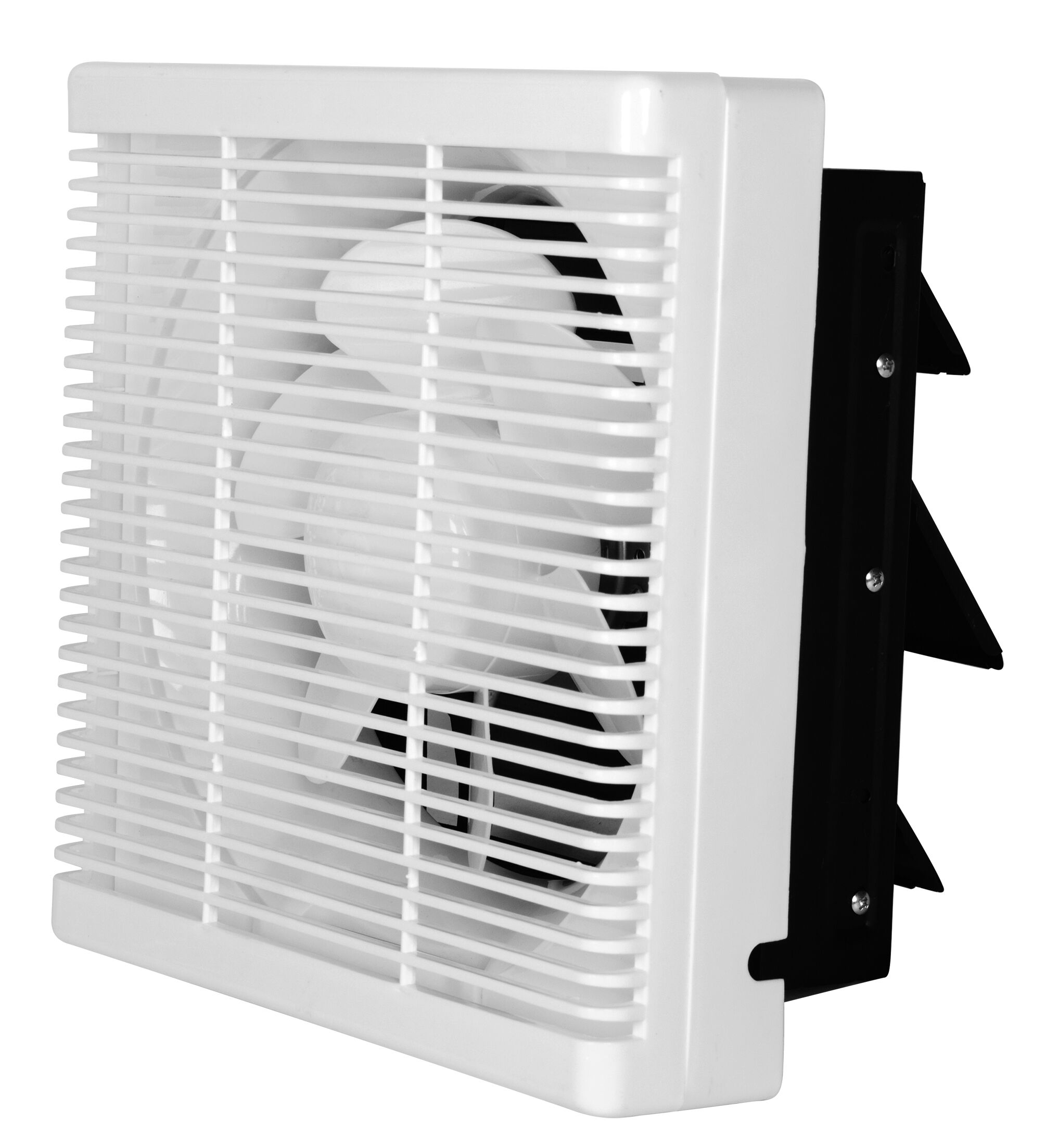
Tweedens, ontwerp van kanale: ASHRAE Fundamentals Hoofstuk 23 stel dat ontwerp met minder as drie 45-graden elmboë die lugvloei kan behou. Terugtrekking vind plaas wanneer uitlaatopeningte groter as nodig is of deur wind beïnvloed word, wat veroorsaak dat lug die gebou binnekom. Dit kan voorkom word deur motoriseerde kleppe te gebruik.
Uitlaatventilators moet ideaal gesproke op 'n hoogte van 2,5 tot 3,5 meter geplaas word en so naby moontlik aan die bron van besoedeling. In kombinasie met passiewe luginlaatopeningte behoort hierdie gebruikte tegniek om die drukverskil te handhaaf.
Wanneer om 'n Uitlaatventilator te Kies: Kommersiële Kombuise, Badkamers, Waskamerfasiliteite
‘n Behoorlike keuse van ‘n uitlaatventilator vereis meer as net die pasmaak van vierkante voetarea. Ingenieurspesifikasies moet met funksionaliteit ooreenstem.
Alle kommersiële kombuise gebruik ‘n robuuste stelsel wat ekstreme hitte, stoom en aerosole wat vet dra, kan hanteer en vuurveilig is. Stelsels vereis ‘n minimum van 1 500 CFM vir matige volume, en hierdie waarde neem toe met die grootte van die kooktoestelle en die kap. NFPA 96 en afdeling 503 van die Internasionale Meganiese Kode bepaal dat geïntegreerde toevoerlugstelsels in alle stelsels ingesluit moet word. Hierdie stelsels voorkom ook negatiewe druk, bevorder veilige verbranding en verskaf balansering van lugbeheer binne die stelsels.
Badkamers het ten doel om vog vinnig te verwyder en dat ventilatorsisteme stil is. Deur die CFM te bereken om agt lugverwisselings per uur te bereik, sal die stelsels gewoonlik binne die reeks van 50 tot 100 CFM val. Stelsels moet drie of minder sone wees om gemak te bied soos voorgeskryf deur HVI-916.
Wasruimtes wat geventileerde droërs en hoë-kapasiteitwasmasjiene insluit, word die meeste vog blootgestel. Dit word aanbeveel dat lae-CFM-ventilators (~20 tot 30 CFM) of voggevoelige ventilators (soos voorgeskryf in ASHRAE 62.2, Bylae D) kontinu bedryf word om vog te vermy.
Onlangse HVAC-bedryfsoudits het bevind dat lugkanaalroetes wat reguit, styf en geïsoleer is, en buite eindig, die beste manier is om lugkanaalroetes te bestuur en ‘n stelsel op te stel. Vermy dit om lugkanale in soffiete of dakspasies te laat eindig, aangesien dit kondensasie, terugtrekking van lug en ‘n 30%-verlies in stelselprestasie sal bevorder.
VEE
Wat is CFM en hoe help dit uitlaatventilators?
CFM, of kubieke voet per minuut, is ‘n maatstaf vir die volume lug wat deur ‘n uitlaatventilator beweeg word. Ventilators met ‘n hoër CFM sal beter vog en reuke verwyder.
Kan ‘n uitlaatventilator al die reuke verwyder?
Afvoerventilators kan slegs help om reuke te verwyder deur besoedelde lug uit te skakel. Hulle kan nie reuke wat aanhoudende of vlugtige organiese verbindings (VOC's) is, heeltemal verwyder nie, aangesien dit addisionele metodes soos 'n geaktiveerde koolstoffilter vereis.
Waarom bly vog rond wanneer 'n uitlaatventilator gebruik word?
Vloeistof klewerigheid neem verskeie kwessies soos hitte brug, kanaal lekkasie en negatiewe druk in ag. Let daarop dat hierdie sistemiese kwessies behandel moet word saam met voldoende CFM vir uitlaatventilators.
Hoe kies ek die geskikste uitlaatventilator vir my kamer?
Dit vereis die evaluering van die tipe kamer en spesifieke en algemene kamervereistes.
Wat is VOC's, en kan afvoerventilators hulle uitskakel?
VOC's is gasse wat uit verskillende materiale verkry word. Verdunning van die konsentrasie VOC's met uitlaatventilators vereis die gebruik van geaktiveerde koolstoffiltrasie.