
 EN
EN



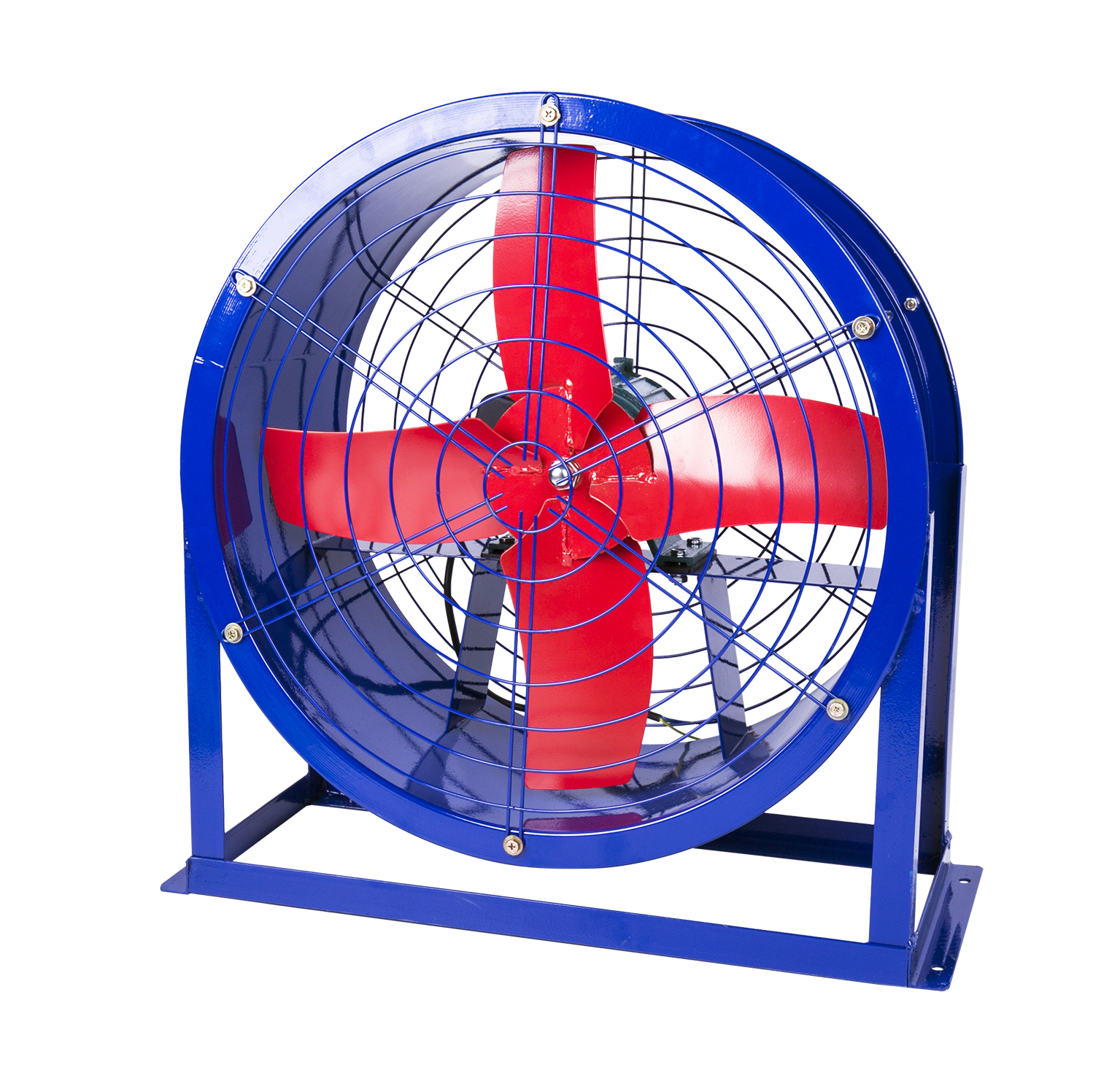
Ventilasieventilators as primêre toestelle vir die optimalisering van binneslugkwaliteit
Belangrikheid van meganiese ventilasiestelsels in môre se strukture
Alhoewel geboue nou ontwerp word om energie-doeltreffend te wees en so dig moontlik te wees, het hierdie digtheid die ongelukkige effek om die besoedelaars binne die gebou, sowel as CO2 en gebou-VOC’s, vas te vang. Die verwydering van hierdie besoedelaars kan gou gevaarlik word wanneer daar geen ontwerpte lugbeweging binne die gebou is nie. Daar word staatgemaak op natuurlike ventilasie, maar dit kan stadig wees en ontoepaslik wanneer toestande hoë vogtigheid-versteurings bereik, of stadig beïnvloed word deur die besoedeling wat in stede voorkom, of die hipotetiese seisoenale parameters wat die stelsel sal bepaal. Meganiese ventilasieventilators vervang voortdurend die lug wat ‘n ‘stale’ lug geword het met ‘vars’ lug nadat dit deur filters gegaan het. Ventilators onderbreek die siklusse van besoedelaars wat irriterend en skadelik vir die asemhalingsstelsels van die bewoners is. Studies het getoon dat verskeie gebou-ontwerpe wat hierdie stelsels voortdurend gebruik, toksiene en besoedelaars het wat minder as 50% van die EPA se Gevaar-Drempel is.
Hoe ventilators die „verdunding“ en „afvoer“ van lug beïnvloed
Veranderinge in die lug wat op ’n uurlikse basis plaasvind (bekend as ACH) is ’n belangrike maatstaf vir binneslug wat oorweeg moet word wanneer die gesondheid van die binne-ruimte ondersoek word. As doelwit behoort 0,35 tot 1 ACH bevredigend te wees vir residensiële geboue wanneer die stelsels ontwerp word.
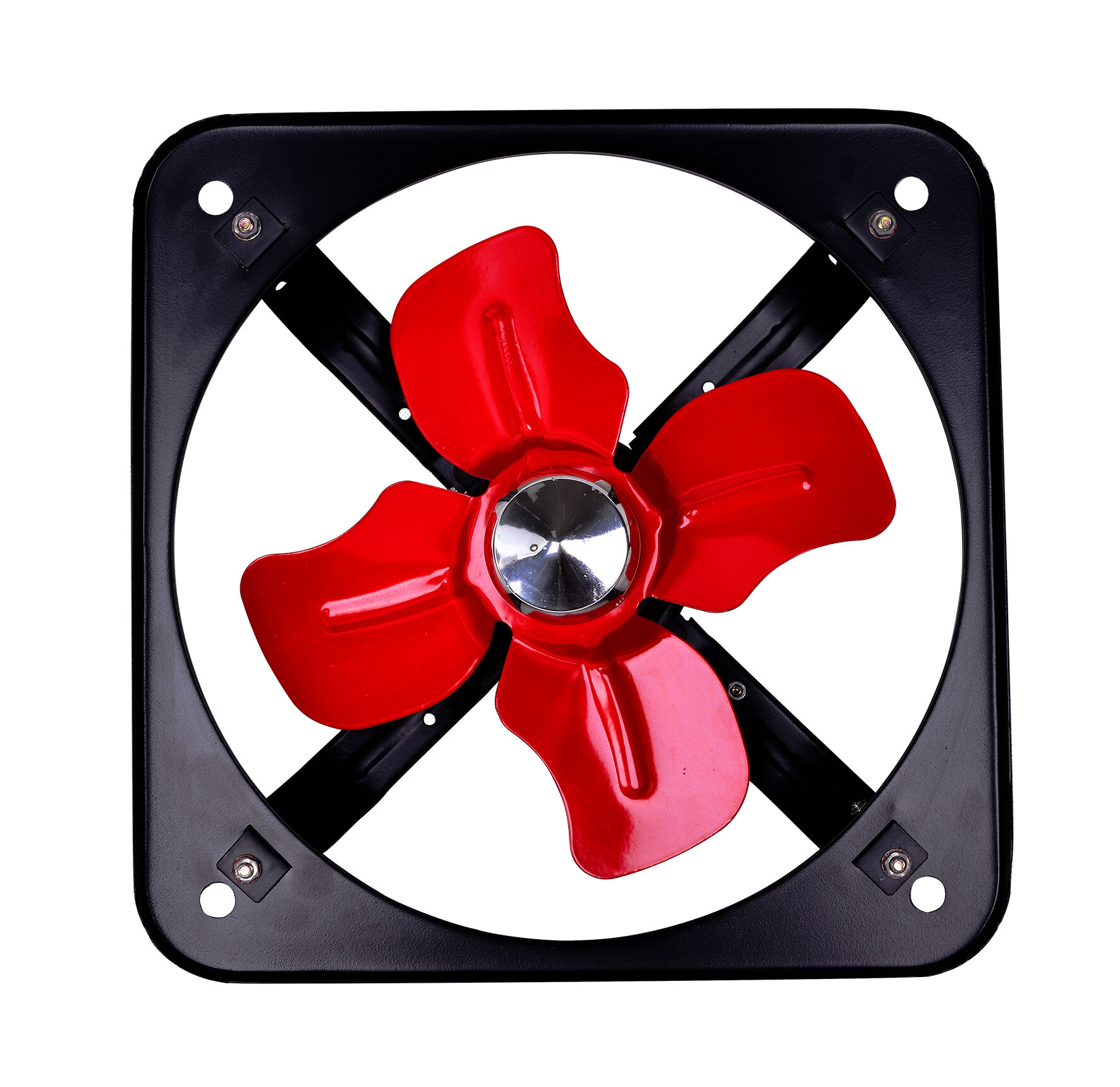
Die bereiking van die nodige ACH vind hoofsaaklik deur twee meganismes plaas:
Die herinvoering van lug wat deur ventilatorsisteme vervang is wat ’n stelsel gebruik wat in die volksmond as ’n „toevoerventilator“ bekend staan, en
Die verwydering van besmette lug deur ventilators met ’n plaaslike stelsel wat as „afvoerventilators“ bekend staan (bv. kombuiventilators, toiletventilators, ens.).
Gebalanseerde stelsels gebruik gewoonlik benaderings wat selfs teenstrydig kan wees, soos 'n toevoerluggie-stelsel wat 100 CFM na die gebou verskaf en 'n uitlaatluggie-stelsel wat 50 CFM verwyder. Daarom moet stelsels vir 'n toereikend groot, 2 000 ft³-ruimte, om trekkrag te voorkom of ventilasie-stratifikasie te hê, optimaal geplaas en geleë wees.
Gedoelde kontaminantbeheer: Badkamer- en kombuiventilasieventilators
Hoë-risiko-mikro-omgewings: Stoom, kookemissies en bioaërosols
Besoedelstowwe is bekend daarvoor dat hulle op vlakke konsentreer wat 10-50 keer groter is as die omgewingslug, veral in badkamers en kombuise wat sulke hoërisiko-eienskappe vertoon. Stoom wat deur storte geskep word, veroorsaak dat die humiditeit bo 60% piek, wat die drempel is vir vinnige skimmelgroei. Kook skep ook ultrafyn deeltjies wat minder as 2.5 nanometer is en die longversperring kan binnedring. Gas-aangedrewe kook lei tot die skep van stikstofdioksied, 'n bekende skadelike gas, wat met 400% toeneem terwyl dit in gebruik is en die WGO se perke met 4 keer kan oorskry. Ventilasiewaaiers is van kritieke belang in hoërisiko-areas, aangesien hulle ontwerp is om bioaërosole en vlugtige organiese verbindings (VOC's) uit die lug te verwyder voordat dit in die gebied rondom hulle vrygestel kan word.
Lokale Uitlaatventilasie (LEV): Hoe spesifieke ventilasieventilators besoedelingsstowwe by die bron vasvang
Lokale uitlaatventilasie (LEV) bestaan uit die plasing van ventilators binne 30 cm van bronareas van emissie vir gerigte ventilasie. In teenstelling met geïntegreerde kaste, verwyder LEV-stelsels kookbioaërosols en stoom by die bron met 'n vangdoeltreffendheid van byna 90%. Ventilators wat 50–100 CFM per lynvoet van die werkblad lewer en direk bo die werkblad gehang word, kan gebruik word om kookverwante deeltjies met hoë doeltreffendheid te verwyder. Hierdie stelsels skep 'n gelokaliseerde negatiewe druk binne die area en lei besoedelde lug direk na die buiswerk, wat sodoende die areas waar mense asemhaal, vermy.
Hoe slim ventilasie-ventilators help om vogtigheid te beheer en skimmel te voorkom
Die rol wat ventilasie-ventilators speel in skimmelvorming
Wanneer die relatiewe vogtigheid (RV) binne geboue onder 60% gehandhaaf word, kan swamvorming voorkom word. Na bad of kook vind geen kondensasie op mure, plafonne en isolasie plaas nie, en spore begin nie met kieming nie. Ventilasieventilators is ontwerp om vogtige binneslug uit te stoot en kondensasie te neutraliseer. RV-vlakke bo 60% kan nie net strukturele skade veroorsaak nie, maar stel ook beduidende gesondheidsrisiko’s vir mense voor. Ventilasieventilators kan vogbestuur integreer deur droër, gekondisioneerde lug te verskaf en vogversadigde binneslug te vervang.
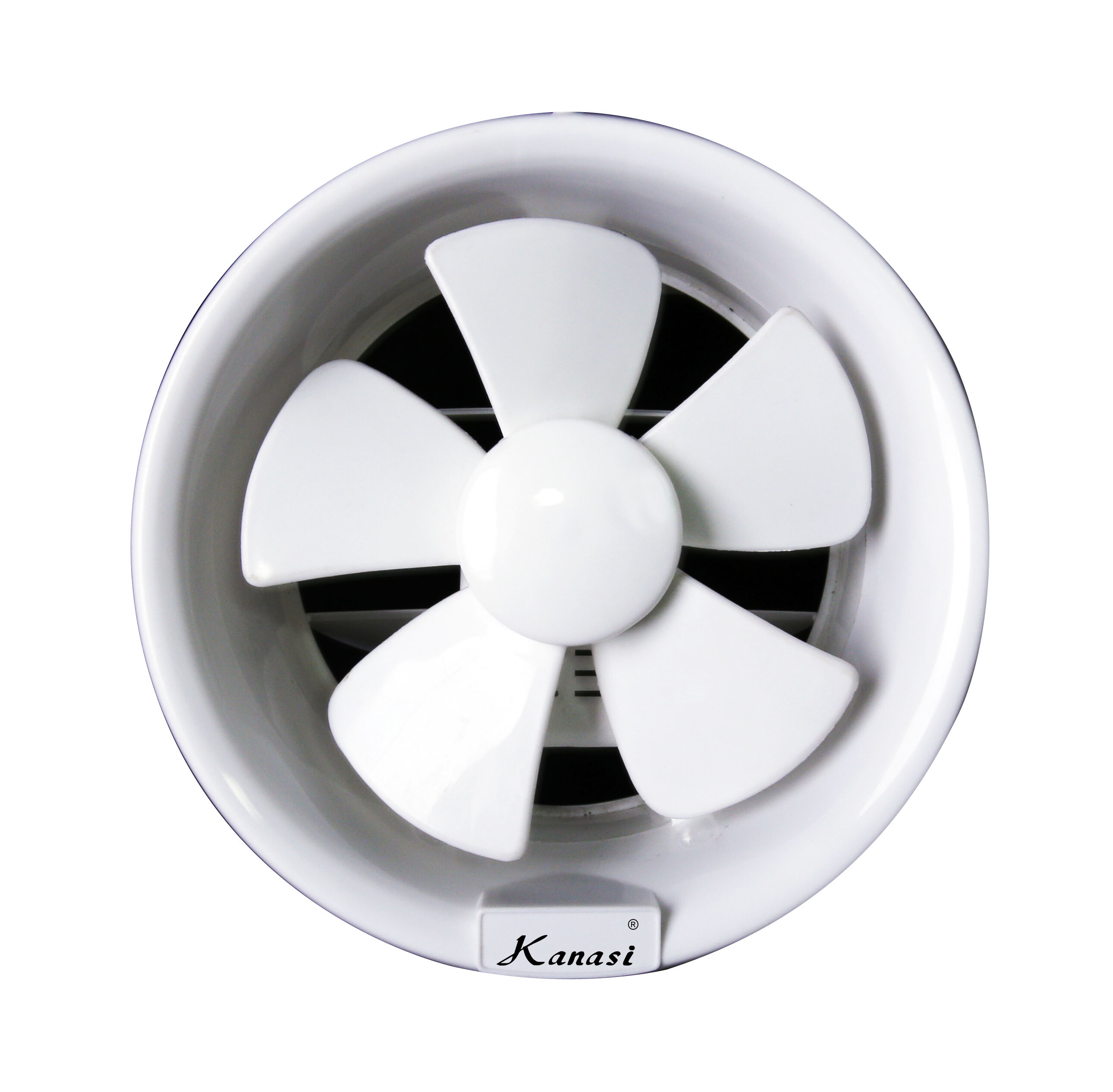
Tipe Toestel Primêre Funksie Swamvoorkomingmeganismes
Slim Uitlaatventilators Vogtigheid-geaktiveerde ventilasie Aktiveer outomaties wanneer RV naby 60% kom
Vogverwyders Vogverwydering Handhaaf veilige RV-waardes (30–50%)
Lugzuigers Spoorvangs Verminder lugdraende swamvermeerdering
Die Effekte van Slim Ventilasieventilators met Vogtigheidsbeheer op Gesondheid Dwarsdeursnitte van deur Swam veroorsaakte Allergieë
Ventergroepe met vochtigheidsvermoë is skimmelverminderingstoestelle wat astma- en allergievoorkoming doeltreffend verbeter. Met RV-vlakke wat na 'n stortbad styg, suig slim ventergroepe omgewingslug wat spore bevat – wat vogbelaaide bouklippe vir skimmel is – en vervang dit met gedroogde buitelug wat gekondisioneer is. Navorsing dui daarop dat blootstelling aan skimmel kinderastmakoers met 40% verhoog, terwyl slim ventergroepe help om die oorsaak van kinderastma te verminder. Studieë dui ook daarop dat slim ventergroepe bydra tot die verbetering van asemhalingsimptome en die vermindering van mediese behoeftes van individue.
Erkenning van gesondheidswinne uit gereelde gebruik van ventergroepe
Daar is 'n aantal bewysgebaseerde gesondheidsvoordele wat verkry kan word deur 'n ventilasieblaser tuis te gebruik vir die verwydering van lugdradige besoedelaars en die stabilisering van binnemilieu-veranderings. Ventilasiestelsels wat tuis bedryf word en waarvan die blasers aan is, gebruik minder as 'n derde van die astmabehandeling en verwante gesondheidsorg. Beheerde omgewings toon groter veranderinge in relatiewe vochtigheid (RV)-vlakke van skimmel met blasers wat stabiel onder 60% bly, en laat beheerde kolonisering van stofmiere toe tot minder as 50%. Verbeterde gesondheid as gevolg van die balans tussen suurstof en koolstofdioksied (CO2) vanaf ventilasieblasers verbeter ook die kognisie en prestasie van besiguers, terwyl die ventilasiestelsel wat tuis bedryf word, 'n 18% verbetering in slaapeffektiwiteit toon. Met die gebruik van ventilasiestelsels is dit 'n bio-kompatible stelsel wat effektief kultiveer, integreer en weerstand teen deur die mens beheerde omgewings verbeter.
VEE
Hoekom is meganiese ventilasie noodsaaklik vir moderne geboue?
Lugdigte moderne geboue veroorsaak die vasvang van binne-lugbesoedelings (VOS'e). Vanuit ventilasieventilators verskaf dit standaardvlakke vir veilige besoedelings en goeie binne-lugkwaliteit.
Hoe help ventilasieventilators om binne-lugvochtigheid te beheer en skimmel te voorkom?
Die kolonisasie van skimmel vereis 'n relatiewe vochtigheid onder 60%. Ventilasieventilators word gebruik om die binne-lugvochtigheid te beheer deur die verwydering van vogtige lug.
Wat kan konsekwente gebruik van ventilasieventilators op gesondheid uitwerk?
Die gereelde gebruik van ventilasieventilators kan astma-aanvalle, skimmelsvorming en allergerme verminder, en kan u slaap en konsentrasie verbeter.