
 EN
EN



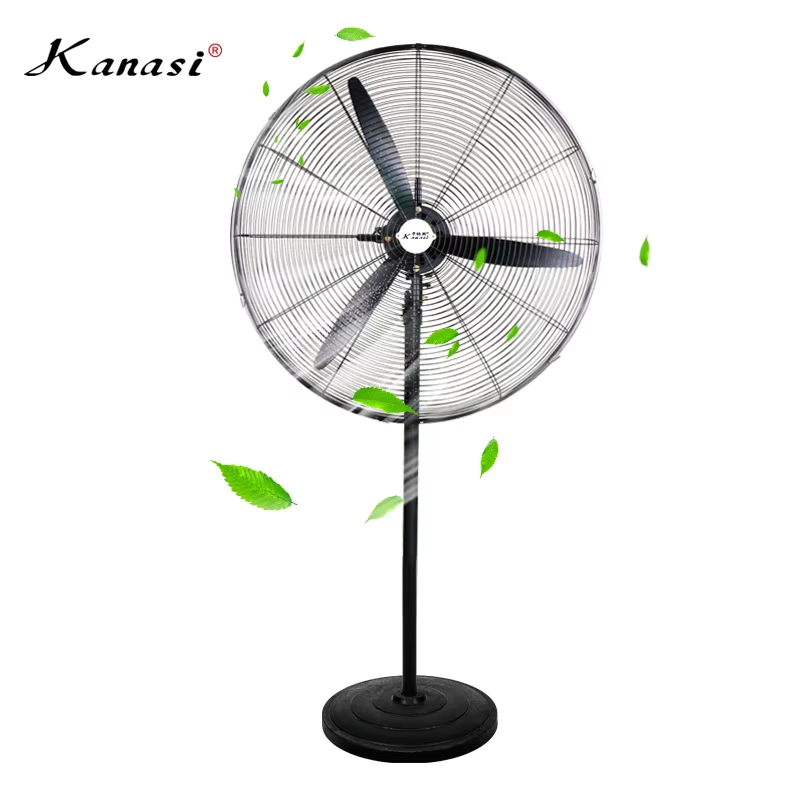
Optimalizace proudění vzduchu a odstranění stratifikace v prostorách s vysokými stropy
Problém: Zóny nepohyblivého vzduchu a vertikální teplotní rozdíly
Teplotní vrstvení vytváří významné problémy v rozsáhlých průmyslových zařízeních. Teplý vzduch se přirozeně zvedá a hromadí se u stropu – podle studií provozoven až o 30 °F teplejší než vzduch u podlahy. Tento svislý teplotní gradient nutí systémy VZT k nadměrné kompenzaci, čímž dochází k plýtvání energií a zaměstnanci zůstávají v chladnějších, nepohyblivých vzduchových kapsách u podlahy. Vznikající nepohodlí a neefektivita představují až 30 % celkových nákladů na vytápění ve skladových prostorách (Ponemon, 2023).
Jak průmyslové ventilátory využívají aerodynamiku pro rovnoměrné rozvádění vzduchu
Moderní průmyslové ventilátory HVLS (High Volume Low Speed – velký objem, nízká rychlost) potlačují teplotní vrstvení pomocí aerodynamických principů. Jejich převelké profilové lopatky generují obrovské sloupy svisle směřujícího proudění vzduchu, které tlačí teplý vzduch ze stropu dolů a současně nasávají chladnější vzduch zespoda pro jeho znovuprůchodu systémem VZT. Tato nepřetržitá výměna zajistí rovnoměrné rozvádění vzduchu po celé svislé výšce prostoru – bez rušivých průvanů či hluku.
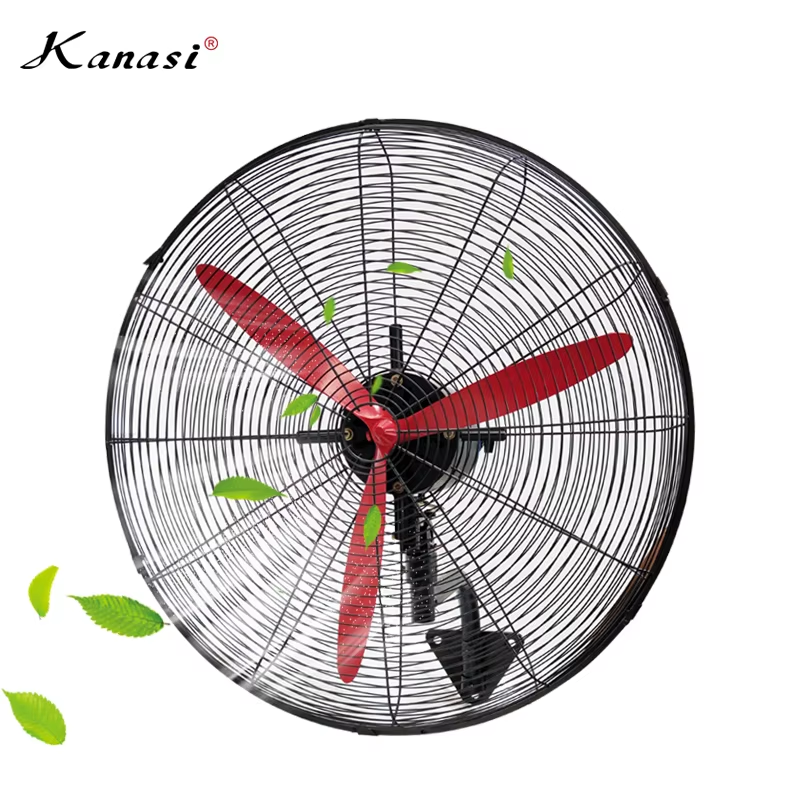
Skutečný dopad v praxi: Snížení teplotní vrstevnatosti o 42 % pomocí průmyslových ventilátorů HVLS
Zavedení ventilátorů HVLS přináší měřitelné provozní zlepšení. Výzkum ukazuje, že zařízení po instalaci dosahují snížení vertikálních teplotních rozdílů o 42 % (Ministerstvo energetiky USA, 2023). To se přímo promítá do 20–30% nižší doby chodu systémů VZT a odpovídající úspory energie. Zaměstnanci současně uvádějí zlepšený pocit pohody díky rovnoměrnému a mírnému proudění vzduchu na úrovni podlahy – čímž se v zimních měsících eliminuje potřeba doplňkových prostorových topidel.
Ochrana zdraví zaměstnanců snižováním tepelného stresu
Trendy OSHA: Rostoucí počet pokut souvisejících s tepelným stresem v nedostatečně větraných zařízeních
Americká správa pro bezpečnost a ochranu zdraví při práci (OSHA) postupně zvyšuje výkon dozoru v oblasti rizik spojených s vysokou teplotou. V průmyslových prostorách se špatnou ventilací se vzduch stává nehybným a teplota tak stoupá daleko nad bezpečné hranice. V letech 2019 až 2023 vydala OSHA téměř o 40 % více pokut souvisejících s vysokou teplotou, přičemž největší podíl těchto pokut připadl na výrobní a skladové zařízení. Tyto pokuty jsou zaměřeny na zaměstnavatele, kteří neprovádějí technická opatření – jako je například ventilace a pohyb vzduchu – která přímo snižují expozici teplu. Bez těchto opatření jsou zaměstnanci vystaveni vyššímu riziku tepelného unavení, křečí a dokonce i úpalu.
Vědecké pozadí: Zvýšení chladicího účinku odpařováním prostřednictvím průmyslových ventilátorů zajišťujících pohyb vzduchu
Tělo se spoléhá na odpařování potu ke chlazení. Když je vzduch klidný, vytvoří se u kůže vrstva vlhkého vzduchu, která zpomaluje odpařování a udržuje teplo. Průmyslové ventilátory s vysokým průtokem a nízkou rychlostí rotace tento mezní vrstvu ruší tím, že neustále přivádějí čerstvý vzduch k pracovníkům. Tím urychlují odpařovací chlazení a snižují pocit teploty o 5–10 °F (3–6 °C), aniž by se snížila skutečná teplota okolního prostředí. Účinek je okamžitý: klesá tepová frekvence, pocení se stává účinnějším a tepelné zatížení těla se snižuje. Tato vědecká zákonitost činí průmyslový ventilátor primární technickou opatřením pro prevenci tepelného stresu.
Doložené výsledky: Po instalaci průmyslových ventilátorů došlo ke snížení počtu případů tepelného vyčerpání o 37 %
Data z velkých výrobních zařízení ukazují měřitelné zlepšení bezpečnosti po instalaci vhodných ventilátorových systémů. V jednom zařízení s výškou stropu přes 40 stop klesl počet případů tepelného únoru o 37 % během prvního chladicího období. Zaměstnanci uváděli, že se cítí méně unavení, a během letních měsíců byl pozorován nárůst produktivity o 8–12 %. Snížení počtu dnů pracovní neschopnosti a počtu žádostí o odškodnění zaměstnanců také přispělo k návratnosti investice kratší než dvě roky. Tyto výsledky potvrzují, že strategické umístění průmyslových ventilátorů není pouze zlepšením pohodlí – je to ověřená investice do zdraví zaměstnanců a provozní kontinuity.
Snížení energetických nákladů a závislosti na klimatizaci prostřednictvím inteligentní integrace průmyslových ventilátorů
Přetížení klimatizačních systémů v prostorách se špatnou cirkulací: skrytý energetický odpad
Nedostatečný průtok vzduchu nutí systémy VZT pracovat mimo návrhové specifikace, aby kompenzovaly nejednotné teploty. Tento přetížení způsobuje neefektivní cyklování kompresoru, tlakové nerovnováhy v potrubí a urychlené opotřebení komponentů – což dohromady zvyšuje spotřebu energie až o 50 % v zařízeních s nedostatečnou cirkulací vzduchu. Bez podpory průmyslových ventilátorů se jednotky VZT v podstatě potýkají se teplotní stratifikací: opakovaně chladí stejný vzduch, zatímco zóny ve výšce pobytu osob zůstávají nedostatečně klimatizované.
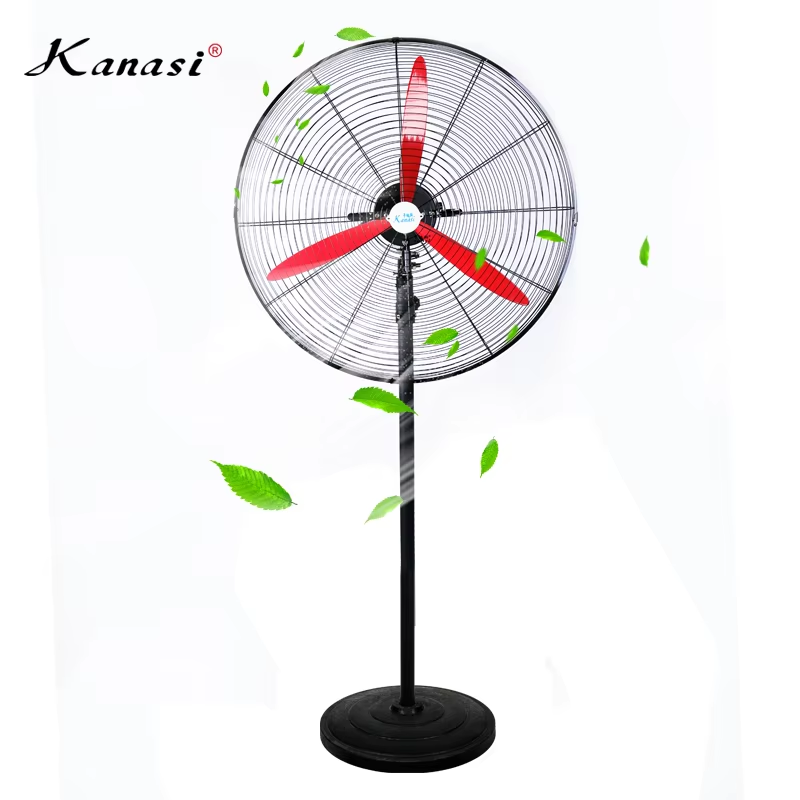
Hybridní strategie větrání: kompenzace 25–40 % mechanického chladicího zatížení
Strategické umístění průmyslových ventilátorů vytváří synergický vztah se stávající infrastrukturou VZT. Tato metodika funguje následovně:
- Destratifikace: Ventilátory s velkým průměrem rozrušují teplotní vrstvy a snižují teplotní rozdíly mezi podlahou a stropem
- Snížení zatížení: Každé snížení stratifikace o 1 °F snižuje požadavky na chlazení o 3–5 %
- Optimalizace nastavení teploty: Zařízení mohou zvýšit nastavení termostatu o 4–6 °F a přesto udržet stejnou úroveň pohodlí díky proudění vzduchu
Tento integrovaný přístup přímo snižuje dobu chodu kompresoru, čímž se dosahuje ověřeného úsporného efektu mechanického chlazení v rozmezí 25 až 40 % v průmyslových výrobních provozech i skladových prostorách.
Zlepšení kvality vnitřního ovzduší a podpora souladu s požadavky na požární bezpečnost
Prach, летuché organické látky (VOCs) a hořlavé usazeniny v oblastech s nízkým průtokem vzduchu
V rozlehlých průmyslových prostorách s vysokými stropy a omezeným prouděním vzduchu se v zónách stojatého vzduchu hromadí znečišťující látky ve vzduchu. Prach se usazuje na površích, těkavé organické sloučeniny (VOC) z barev nebo rozpouštědel se zdržují v blízkosti dýchacích zón zaměstnanců a hořlavé částice se hromadí v skrytých rozích. Postupně se tyto oblasti s nízkým průtokem vzduchu mění na rezervoáry kontaminantů, které zhoršují kvalitu vnitřního ovzduší (IAQ) a zvyšují riziko požáru. Jemný prach slouží jako palivo pro náhle vypukající požáry, zatímco koncentrované VOC zvyšují pravděpodobnost výbuchu. Bez aktivního proudění vzduchu tyto nebezpečí přetrvávají a ohrožují jak zdraví, tak bezpečnost.
Jak neustálé proudění vzduchu průmyslovými ventilátory brání hromadění kontaminantů a zlepšuje ředění kouře
Neustálý proud vzduchu z průmyslových ventilátorů brání vzniku mrtvých zón. Tím, že generují stálý a rovnoměrný proud vzduchu, tyto ventilátory odvádějí prach směrem k filtračním systémům, rozptylují летuché organické sloučeniny (VOC), než se stačí soustředit, a brání usazování hořlavých částic. V případě požáru zlepšuje zvýšená cirkulace vzduchu ředění kouře, zvyšuje viditelnost pro evakuaci a zpomaluje šíření hoření. Tento dvojnásobný účinek – snižování každodenního hromadění kontaminantů i podpora řízení kouře – činí průmyslové ventilátory klíčovou součástí jak strategií pro zlepšení kvality vnitřního ovzduší (IAQ), tak rámce pro dodržování požární bezpečnosti.
Často kladené otázky
Co způsobuje teplotní vrstvení v prostorách s vysokými stropy?
Teplotní vrstvení vzniká tehdy, když se teplý vzduch zvedá a hromadí u stropu, zatímco chladnější vzduch zůstává u podlahy, čímž vzniká svislý teplotní gradient.
Jak průmyslové ventilátory bojují proti teplotnímu vrstvení?
Průmyslové ventilátory, zejména HVLS ventilátory, cirkulují vzduch vertikálně i horizontálně, čímž přesměrovávají teplý vzduch z podlahy stropu dolů a chladnější vzduch z podlahy nahoru pro rovnoměrné rozložení vzduchu.
Jaké jsou úspory energie při použití průmyslových HVLS ventilátorů?
HVLS ventilátory mohou snížit dobu provozu systémů HVAC o 20–30 %, čímž dosahují úspor mechanického chlazení v rozmezí 25–40 %.
Jak průmyslové ventilátory brání tepelnému stresu zaměstnanců?
Průmyslové ventilátory zvyšují evaporační chlazení tím, že přes zaměstnance vedou čerstvý vzduch, čímž snižují vnímanou teplotu o 5–10 °F a zmenšují tepelné zatížení.
Mohou průmyslové ventilátory pomoci zlepšit kvalitu vnitřního vzduchu?
Ano, vytvářejí neustálý pohyb vzduchu, který rozptyluje prach, летuché organické látky (VOC) a jiné suspendované kontaminanty ve vzduchu, čímž zlepšují kvalitu vnitřního vzduchu (IAQ) a podporují soulad s požární bezpečností.
Obsah
- Optimalizace proudění vzduchu a odstranění stratifikace v prostorách s vysokými stropy
-
Ochrana zdraví zaměstnanců snižováním tepelného stresu
- Trendy OSHA: Rostoucí počet pokut souvisejících s tepelným stresem v nedostatečně větraných zařízeních
- Vědecké pozadí: Zvýšení chladicího účinku odpařováním prostřednictvím průmyslových ventilátorů zajišťujících pohyb vzduchu
- Doložené výsledky: Po instalaci průmyslových ventilátorů došlo ke snížení počtu případů tepelného vyčerpání o 37 %
- Snížení energetických nákladů a závislosti na klimatizaci prostřednictvím inteligentní integrace průmyslových ventilátorů
- Zlepšení kvality vnitřního ovzduší a podpora souladu s požadavky na požární bezpečnost
-
Často kladené otázky
- Co způsobuje teplotní vrstvení v prostorách s vysokými stropy?
- Jak průmyslové ventilátory bojují proti teplotnímu vrstvení?
- Jaké jsou úspory energie při použití průmyslových HVLS ventilátorů?
- Jak průmyslové ventilátory brání tepelnému stresu zaměstnanců?
- Mohou průmyslové ventilátory pomoci zlepšit kvalitu vnitřního vzduchu?