
 EN
EN


مکانیسم اصلی تهویه: چگونه پنکاهای خروجی تبادل هوای مؤثر را به راه میاندازند
فشار منفی و مکش هوا: ایجاد جریان مؤثر مبتنی بر خروجی
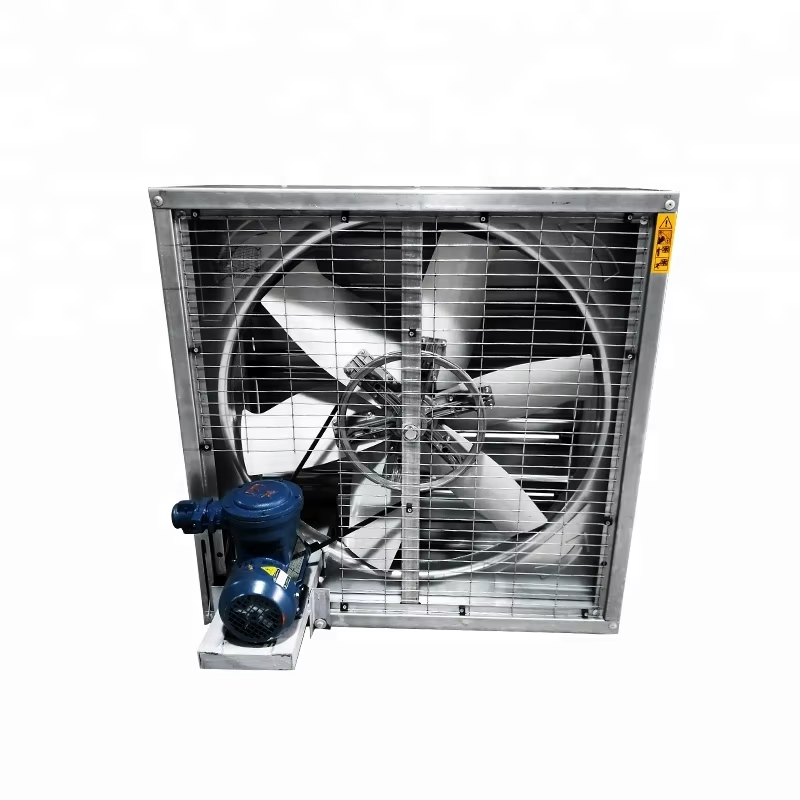
پنکاهای خروجی با ایجاد فشار منفی، کیفیت هوا در فضای داخلی را بهبود میبخشند—به این ترتیب هوای داخلی را خارج کرده و هوای تازه بیرونی را از طریق مسیرهای نفوذ طبیعی وارد میکنند. این اثر مکشی، تبادل پیوسته و هدفمند هوای از منبع را ممکن میسازد. پنکاهی با ابعاد مناسب و قدرت موتور کافی، هوا را بهطور مؤثر جابهجا میکند و از ایستایی و تجمع آلایندهها جلوگیری مینماید. در صورت عدم وجود این اختلاف فشار، آلایندهها تجمع یافته و سلامت و راحتی افراد را تهدید میکنند. عملکرد بهینه به دینامیک متعادل جریان هوا بستگی دارد—نه تنها ظرفیت پنکاه، بلکه همچنین یکپارچگی پوشش ساختمان و مسیرهای موجود برای تأمین هوای جبرانی نیز حائز اهمیت است.
دینامیک هوای جبرانی: چرا مسیرهای نفوذ، اثربخشی پنکاههای خروجی را تعیین میکنند
کارایی هر سیستم دودکشی به مسیرهای نفوذ بیمانع برای هوای جبرانی بستگی دارد. شکافها در اطراف درها، پنجرهها یا تهویهکنندههای اختصاصی، اجازه میدهند هوای بیرونی جای حجم هوای خارجشده را بگیرد و اینگونه حلقه تهویه را کامل کند. هنگامی که این مسیرها مسدود یا بیش از حد محدود شده باشند (مثلاً توسط آببندی درها، ساختار بسیار محکم ساختمان یا بستن درها)، فشار منفی بهطور کامل ایجاد نمیشود، که این امر باعث کاهش عملکرد فن و ایجاد خطر بازگشت دود از وسایل مصرفکننده سوخت میگردد. تأمین کافی و کنترلشده هوای نفوذی — چه بهصورت غیرفعال و چه از طریق تأمین مکانیکی — برای حفظ نرخهای هدف تهویه، جلوگیری از بهدامافتادن رطوبت و محافظت از سلامت ساکنین و طول عمر سیستم ضروری است.
حذف هدفمند آلایندهها: ترکیبات آلی فرار (VOCs)، رطوبت، بوها و آلرژنها
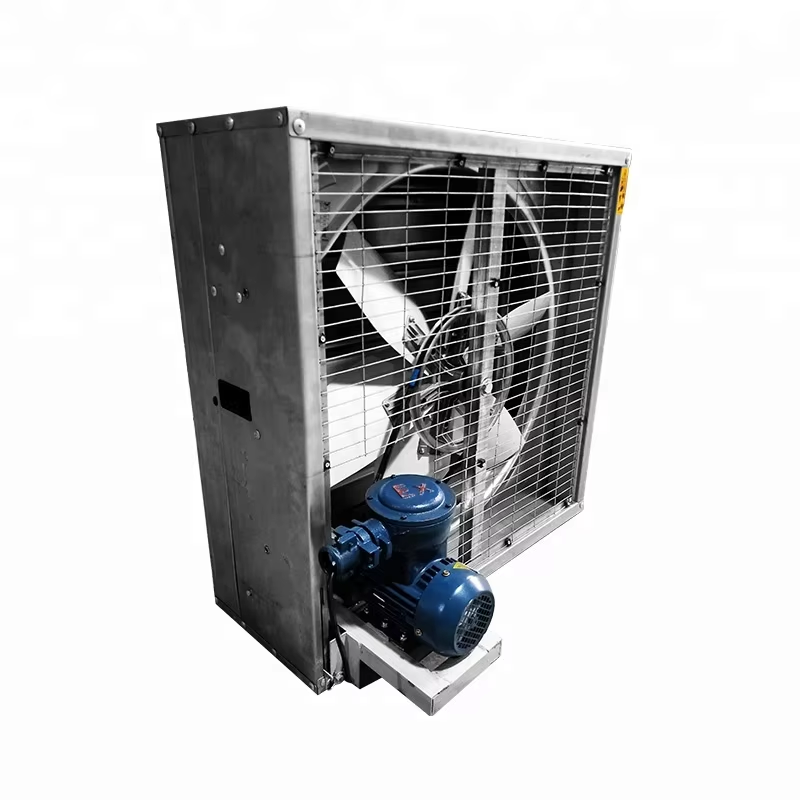
پنکههای خروجی، حذف کارآمد و موضعی آلایندههای موجود در هوا را در محل تولید آنها فراهم میکنند—و از این رو بهطور منحصربهفردی در برابر ترکیبات آلی فرار (VOCs)، رطوبت اضافی، بوها و آلرژنهای بیولوژیکی مانند اسپورهای قارچ و ذرات ناشی از کنههای غبار مؤثر هستند.
هودهای آشپزخانه: جمعآوری لحظهای ترکیبات آلی فرار (VOCs) و ذرات تولیدشده در حین پختوپز
پختوپز مخلوطی پیچیده از آلایندههای خطرناک از جمله فرمالدئید، آکرولئین، ذرات فوقریز (UFPs) و دیاکسید نیتروژن منتشر میکند—که بسیاری از آنها به عمق مجاری تنفسی نفوذ میکنند. هودی با دuct که بر روی سطح کامل سطح پخت نصب شده است، این انتشارات را در محل تولید آنها جمعآوری میکند قبل از پراکندهشدن آنها. تحقیقات نشان میدهد که استفاده از هودی با نصب مناسب و دارای داکت در حین پختوپز، غلظت اوج ترکیبات آلی فرار (VOC) را ۷۰ تا ۹۰ درصد کاهش داده و قابلتوجهی در مواجهه با ذرات فوقریز (UFP) نیز کاسته میشود. برای بهترین نتیجه، هود را قبل از شروع پختوپز روشن کنید و پس از پایان پختوپز نیز به مدت ۵ تا ۱۰ دقیقه ادامهدهید. هودهای گردشی (Recirculating hoods) که تنها چربی و بو را فیلتر میکنند، هیچ کاهش معناداری در آلایندههای گازی یا ذرات ریز ایجاد نمیکنند؛ بنابراین هودهای دارای داکت و تخلیهشونده به بیرون تنها گزینهی واقعاً مؤثر برای خانههایی هستند که سلامت ساکنین آنها اولویت دارد.
فنهای تهویهی حمام: کنترل رطوبت و کاهش اسپورهای قارچ مطابق با استانداردهای ASHRAE
حمامها زمانی که رطوبت از ۶۰٪ فراتر رود، محیط ایدهآلی برای رشد کپک، کفماهی و کنههای غبار هستند. استاندارد ASHRAE 62.2 نرخ حداقل تهویه را مشخص میکند: ۵۰ CFM برای کارکرد متناوب یا ۲۰ CFM برای کارکرد پیوسته. یک پنکه با اندازه مناسب و در محل مناسب، هوای مرطوب را بهسرعت خارج کرده و رطوبت نسبی را کاهش داده و جوانهزنی اسپورهای کپک را مهار میکند. مطالعات علوم ساختمان نشان میدهند که استفاده مداوم از این پنکهها میتواند غلظت اسپورهای کپک موجود در هوا را بیش از ۶۰٪ کاهش دهد. ویژگیهایی مانند سنسورهای رطوبت داخلی یا تایمرهای برنامهپذیر، عملکرد قابل اعتمادی را حتی در صورت فراموشی ساکنین تضمین میکنند و بدون نیاز به مداخله دستی، سطح رطوبت ایمن را حفظ مینمایند. این کنترل هدفمند نهتنها کیفیت هوا در فضای داخلی را حفظ میکند، بلکه مواد سازنده ساختمان را نیز محافظت کرده و بار آلرژنهای ناشی از منابع بیولوژیکی را کاهش میدهد.
مزایای سلامتی اثباتشده استفاده مداوم از پنکههای خروجی
تهویهٔ خروجیِ یکنواخت و بهدرستی اعمالشده، بهبودهای قابلاندازهگیری در سلامت تنفسی و رفاه کلی ایجاد میکند. با حذف محرکها—از جمله گرد و غبار، ترکیبات آلی فرار (VOCs)، فرآوردههای احتراق و آلایندههای بیولوژیکی—فنهای خروجی غلظت عوامل ایجادکنندهٔ آسم، آلرژی و عفونتهای دستگاه تنفسی بالا را کاهش میدهند. پژوهشهای انجمن مهندسان گرمایش، تهویه و تهویهٔ مطبوع آمریکا (ASHRAE) تأیید میکنند که تهویهٔ مناسب میتواند سطح آلایندههای داخل ساختمان را تا ۵۰٪ کاهش دهد و بهصورت مستقیم خطرات ناشی از قرارگیری مزمن در معرض این آلایندهها را کاهش دهد. در حمامها، حفظ رطوبت زیر ۶۰٪ رشد کپک و کنههای غبار را مهار میکند—که منجر به کاهش حملات آلرژی و بیماریهای ناشی از رطوبت میشود. در آشپزخانهها، هودهای دودکشدار مونوکسید کربن، دیاکسید نیتروژن و ذرات ریز مرتبط با سردرد، کاهش عملکرد ششی و استرس قلبی-عروقی را جذب میکنند. مطالعهای در سال ۲۰۱۹ که در مجلهٔ مهندسی ساختمان مشاهده شد که ساکنان خانههایی که از سیستمهای تهویه مکشی مطابق با استانداردها و بهطور قابل اعتماد استفاده میکنند، کاهش ۳۰ درصدی در علائم تنفسی گزارش دادهاند. این نتایج منجر به کاهش روزهای غیبت به دلیل بیماری، بهبود کیفیت خواب و عملکرد شناختی بهتر میشود؛ بنابراین استفاده پیوسته از فنهای تهویه مکشی یکی از مؤثرترین و مقرونبهصرفهترین راهبردها برای حفاظت بلندمدت از سلامت محسوب میشود.
بهینهسازی عملکرد فنهای تهویه مکشی: اندازهگیری مناسب، جایگذاری صحیح و ادغام هوشمند
نیازمندیهای جریان هوا (CFM) بر اساس نوع اتاق و انطباق با مقررات ساختمانی (IRC، IECC)
تعیین اندازه مناسب فن تهویه مکشی پایهایترین عامل تعیینکننده عملکرد آن است. مقررات ساختمانی مسکونی بینالمللی (IRC) و مقررات بینالمللی صرفهجویی در انرژی (IECC) حداقل نیازمندیهای جریان هوا را تعیین میکنند:
- حمامها : ۵۰ CFM بهصورت متناوب یا ۲۰ CFM بهصورت پیوسته
- آشپزخانهها : حداقل ۱۰۰ CFM (یا ۲۵ CFM به ازای هر فوت مربع سطح اجاق در سیستمهای مکشی رو به پایین)
- فضاهای عمومی زندگی : ۰٫۳۵ تغییر هوا در ساعت یا ۱۵ CFM به ازای هر ساکن
استفاده از پنکههای بزرگتر از اندازه مورد نیاز، مصرف انرژی و سطح صوت را افزایش میدهد بدون اینکه عملکرد جذب آلایندهها را بهبود بخشد؛ در مقابل، استفاده از پنکههای کوچکتر از اندازه مورد نیاز، بهطور مؤثری قادر به کنترل رطوبت یا آلایندهها نیست. موقعیتیابی نیز اهمیت یکسانی دارد: پنکهها را تا حد امکان نزدیک به منبع آلاینده—مانند دقیقاً بالای دوشها یا سطوح پختوپز—قرار دهید تا بازدهی جذب حداکثر شده و پراکندگی حداقل گردد.
کنترلهای هوشمند و تایمرها: ارتقای بازدهی بدون قربانی کردن راحتی کاربر
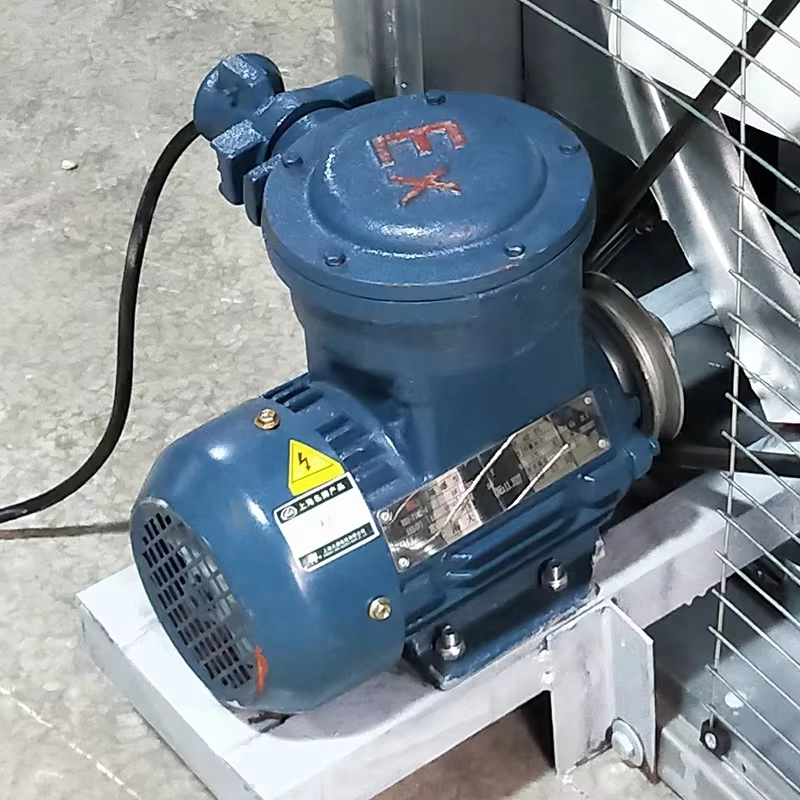
عملیات دستی منجر به استفاده نامنظم میشود—چه اصلاً انجام نشود و چه بدون نیاز ادامه یابد. کنترلهای هوشمند این شکاف را با خودکارسازی زمان کارکرد بر اساس شرایط لحظهای از بین میبرند. سنسورهای رطوبت، پنکهها را هنگامی فعال میکنند که رطوبت نسبی (RH) از ۶۰٪ فراتر رود که این مقدار با آستانه جلوگیری از رشد قارچ طبق استاندارد ASHRAE همسو است. سنسورهای حضور، واحدها را در لحظه ورود فعال میکنند و زمان کارکرد را پس از خروج نیز تمدید مینمایند. تایمرهای برنامهپذیر اطمینان حاصل میکنند که حذف رطوبت بهطور کامل انجام شود (مثلاً ۲۰ دقیقه پس از دوش گرفتن) بدون اتلاف انرژی. بسیاری از پنکههای مدرن بهراحتی با پلتفرمهای اتوماسیون خانگی یکپارچه میشوند و امکان نظارت از راه دور، زمانبندی و پایش مصرف انرژی را فراهم میسازند. این ویژگیها در مجموع زمان کارکرد پنکهها—و مصرف انرژی—را تا ۳۰٪ کاهش داده و در عین حال کیفیت هوای داخلی سالم و مطبوع را حفظ میکنند.
سوالات متداول
پنکههای تهویهکننده چرا برای کیفیت هوای داخلی مهم هستند؟
پنکههای تهویهکننده با حذف آلایندهها، رطوبت و بوها، جریان هوای داخلی را بهبود بخشیده و محیطهای داخلی تازهتر و سالمتری را تضمین میکنند.
هوای جبرانی (make-up air) و مسیرهای نفوذ (infiltration paths) چیستند؟
هواي ورودي جايگزين هواي خارجشده توسط پنکههاي خروجي ميشود. مسيرهاي نفوذ مانند شکافها و دريچهها اجازه ميدهند هواي بيرون بهطور مؤثر وارد شود و تضمين ميکند که تهويه مناسب انجام شود.
تفاوتهاي کليدي بين دودکشهاي کانالدار و دودکشهاي بازگردانيشونده چيست؟
دودکشهاي کانالدار آلایندهها را به بیرون تخلیه میکنند و ترکیبات آلی فرار (VOCs) و ذرات مضر را جذب میکنند، در صورتی که دودکشهای بازگردانیشونده تنها چربی و بو را فیلتر میکنند و کاهش قابلتوجهی در آلایندهها ایجاد نمیکنند.
کنترلهای هوشمند پنکههاي خروجي چگونه ميتوانند عملکرد را بهينهسازي کنند؟
کنترلهای هوشمند با استفاده از سنسورهای رطوبت، تایمرها و سنسورهای حضور، کارکرد پنکه را بهصورت خودکار مدیریت میکنند و تهویهای کارآمد و پایدار را با مصرف انرژی کمتر تضمین میکنند.
استفاده از پنکههاي خروجي چه مزاياي سلامتي را به دنبال دارد؟
تهويه مناسب توسط پنکههاي خروجي باعث کاهش محرکهاي تنفسي، آلرژنها و آلایندهها ميشود و کنترل آسم، مديريت آلرژي و سلامت کلي دستگاه تنفسي را بهبود ميبخشد.
فهرست مطالب
- مکانیسم اصلی تهویه: چگونه پنکاهای خروجی تبادل هوای مؤثر را به راه میاندازند
- حذف هدفمند آلایندهها: ترکیبات آلی فرار (VOCs)، رطوبت، بوها و آلرژنها
- مزایای سلامتی اثباتشده استفاده مداوم از پنکههای خروجی
- بهینهسازی عملکرد فنهای تهویه مکشی: اندازهگیری مناسب، جایگذاری صحیح و ادغام هوشمند
-
سوالات متداول
- پنکههای تهویهکننده چرا برای کیفیت هوای داخلی مهم هستند؟
- هوای جبرانی (make-up air) و مسیرهای نفوذ (infiltration paths) چیستند؟
- تفاوتهاي کليدي بين دودکشهاي کانالدار و دودکشهاي بازگردانيشونده چيست؟
- کنترلهای هوشمند پنکههاي خروجي چگونه ميتوانند عملکرد را بهينهسازي کنند؟
- استفاده از پنکههاي خروجي چه مزاياي سلامتي را به دنبال دارد؟