
 EN



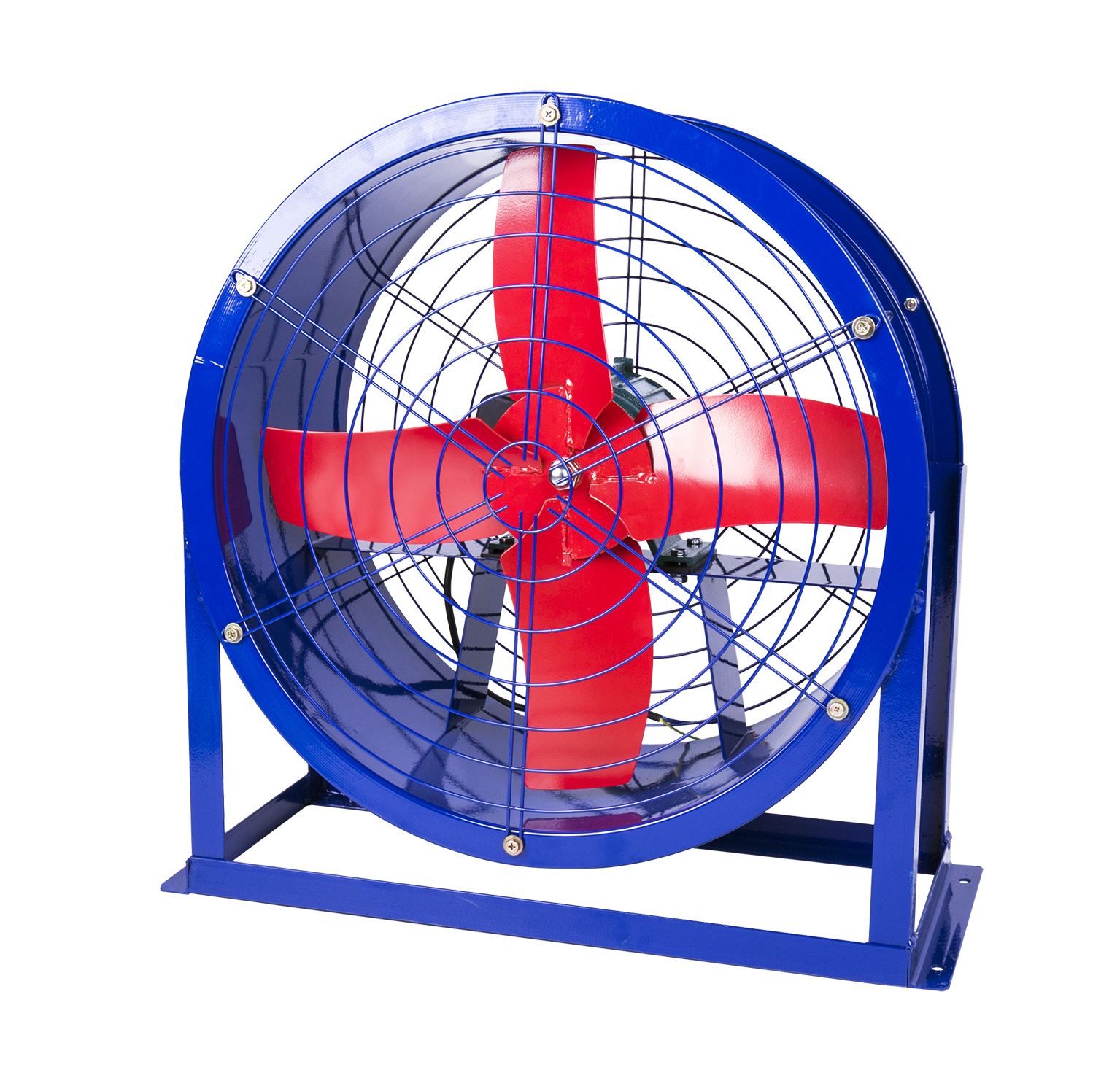
Buying a window exhaust fan line looks simple on paper: a box, a blade, a motor. Yet buyers who treat it as a commodity discover the problems only after the container lands — wrong voltage, flimsy retail packaging, missing certification files, or a supplier that changes the spec sheet mid-season. What follows is a practical sourcing framework built around a documented wholesale project by Kanasi Fans, the Foshan manufacturer behind kanasifans.com.
Case Study: A North American Home-Improvement Chain
Why a Window Exhaust Fan Program Needed More Than a Low Quote
A regional home-improvement chain with several hundred stores planned a seasonal window exhaust fan program for spring resets. The buyer shortlisted three Asian suppliers on price alone. One quote lacked UL evidence, one factory could not document in-house tooling, and the third changed its lead time twice during negotiation. Kanasi Fans, founded in 2007 in Foshan, Guangdong, entered with a different approach: a complete spec sheet per model, samples within two weeks, and test documentation aligned to ANSI/UL 507. With an 80,000 m² plant, an independent R&D center, and full in-house production lines, the factory turned a price conversation into a product conversation.
Sampling, Certification and the First Container
A pilot 40-foot container mixed three sizes, all configured for 110V/60Hz North American grids. Each window exhaust fan unit was staged for third-party safety review mapped to ANSI/UL 507, with airflow figures compiled per ISO 5801 and ANSI/AMCA 210 test methods. Every SKU shipped in retail-ready color boxes, and master cartons passed drop testing before mass production. The pilot sold through cleanly and moved into repeat seasonal containers; Kanasi's documented 98% quality pass rate drove renewal.
What Buyers Frequently Get Wrong: Risks, Standards, Ordering
Voltage Compatibility and Certification Risks
Voltage compatibility is the most expensive thing to get wrong. A window exhaust fan built for 220V/50Hz will underperform or burn out on a 110V/60Hz grid, because motor winding design differs. Match voltage to market: 110V/60Hz for North America, 220–240V/50Hz for Europe, the Middle East and much of Africa. Certification gaps mirror that logic: CE certification under the Low Voltage Directive covers EU sales, UL alignment matters in North America, and a model-family certificate is worthless if the shipped SKU sits outside it. Weak retail packaging erodes profit margin quietly: thin color boxes crush, damaged units become claims, and middlemen who switch factories deliver inconsistent quality and drifting lead times.
Blade Material and Shutter Design
Blade material shapes the value proposition of a window exhaust fan. Plastic blades run quieter, resist corrosion in humid coastal climates, and keep weight low for household retail; metal blades push harder airflow and survive grease-heavy, semi-industrial settings. Full copper windings run cooler and outlast copper-clad aluminum, so make the factory declare them on the spec sheet. Shutter design matters more than expected: a well-sealed, wind-resistant shutter stops winter backdrafts. Air performance should be measured to ISO 5801 or ANSI/AMCA 210, safety to ANSI/UL 507; commercial buyers reference OSHA 29 CFR 1910 for workplace ventilation compliance.
Supplier Vetting and Ordering Checklist
A Practical Factory Audit Checklist
Practical vetting follows a short checklist. Run a supplier audit, directly or via a third party; confirm in-house lines for motor, blade and injection molding; review the spec sheet against a physical sample; run sample testing for 72 continuous hours; and approve retail packaging only after photographing a finished color box.
MOQ, OEM Scope and Container Loading
Negotiate MOQ per SKU rather than per order, confirm OEM customization scope — logo, color box, manual, plug type — and request a container loading plan showing units per 40HQ for mixed models. Consolidating SKUs lowers freight per unit and protects margin. Plan lead time against retail resets and keep a defect allowance in the landed-cost model. A window exhaust fan program built on these steps renews itself; the frequently asked questions below cover the rest.
Frequently Asked Questions
What MOQ Should a Distributor Expect From a Fan Factory?
Established manufacturers quote a minimum order quantity per window exhaust fan model rather than per shipment, commonly one to a few hundred units. Factories with in-house production lines accept lower MOQs on existing molds and higher ones on customized tooling. Always confirm whether the MOQ covers mixed colors or sizes within a single model.
Can a Supplier Provide OEM Customization and Retail Packaging?
Most capable factories handle both, but depth varies. Genuine OEM customization covers branding, color box design, instruction language, plug and voltage configuration, and blade color. Ask for packaging dielines, sample boxes, and previous retail programs as evidence; a supplier that cannot show physical retail packaging examples will likely ship plain cartons that fail on shelf.
Which Blade Material Suits Different Climates?
Plastic blades suit humid, coastal, and household environments because they resist corrosion and run quietly, while metal blades suit dusty, grease-heavy, or semi-industrial settings where airflow and durability take priority. In regions with strong sun exposure, request UV-stabilized plastic. Distributors in the Middle East and Africa often split assortments: plastic units for homes, metal units for workshops.
How Is Container Loading Calculated for Mixed SKUs?
The factory calculates units per container from carton dimensions, stacking height limits, and pallet rules. A 40HQ container holds several thousand small models or fewer large ones, and mixed SKUs are loaded by cube utilization rather than by count. Request a loading plan with carton sizes, gross weights, and a stacking diagram before booking freight.
Do Certificates Need to Match Each Model?
Yes, and this detail decides customs clearance and retailer compliance. A CE declaration or UL file lists specific model numbers, ratings, and the factory that holds them; a shipped unit outside that scope is an uncertified product. Confirm that every SKU on the order appears on a valid certificate, and keep copies with the shipment file.