
 EN
EN



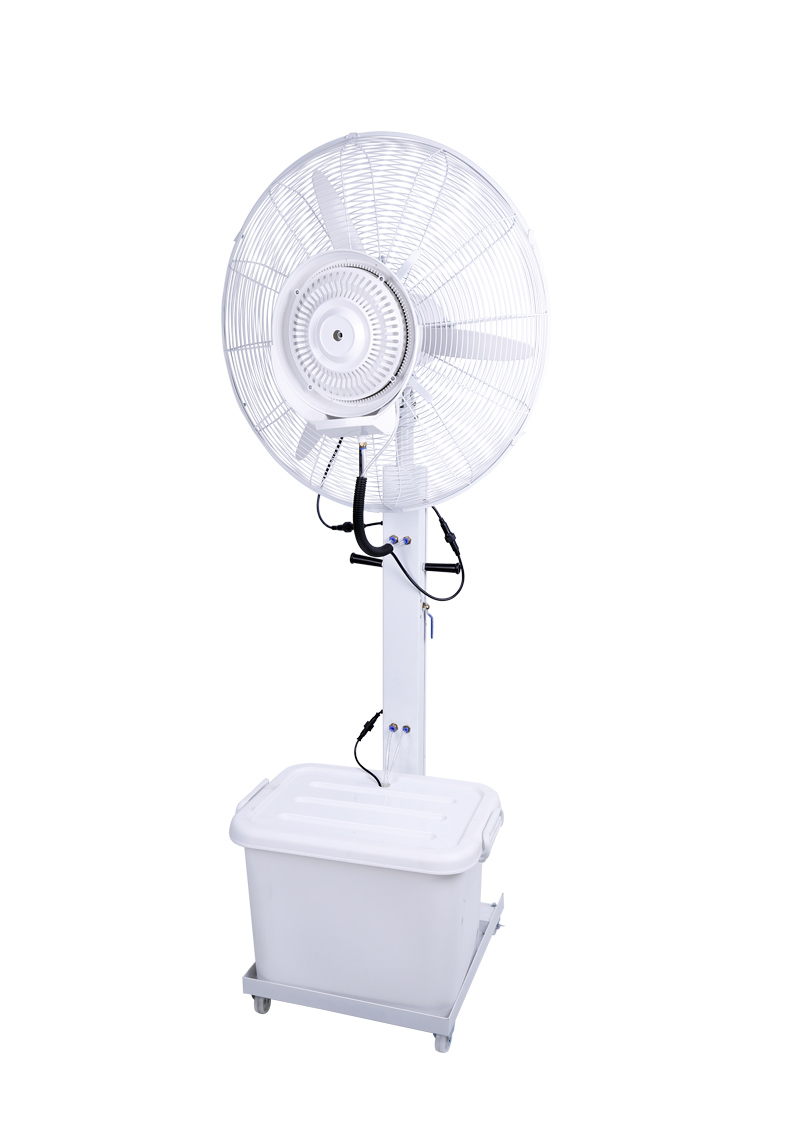
Mist Fetts and the Use of Evaporative Cooling for Heat Stress Mitigation
The science behind the concept of evaporative cooling and how mist fan technology reduces users' thermal discomfort
Mist foggers utilize evaporative cooling technology. Water absorbs heat energy from the surrounding air as it vaporizes. Most consumer devices feature high pressure misting nozzles that produce water droplets smaller than 20 microns. In hot dry air, these tiny droplets vaporize almost instantly and absorb heat energy, lowering surrounding air temperature. Depending on outdoor humidity level and wind conditions, cooling effect may be 10- 30 degrees Fahrenheit. The fog fan enhances air mixing and surface cooling by evaporative cooling.
Physiological advantages include the regulation of core body temperature, lessen fatigue, and reduce the symptoms of heat stress.
Mist fans create a drop in skin temperature and increases the rate of sweat evaporation, which helps the body to cope when heat stress occurs. When the body is able to avoid the stress of temperature regulation, there is less strain on the cardiovascular system and people are able to feel better and longer without suffering from heat related illnesses like dizziness and nausea. Research has shown that there is a 10 to 15 bpm decrease in heart rate due to good evaporative cooling while exercising in extreme heat. All of the above make the risks and deficiencies related to exercise in the sun much less.
- heat induced fatigue is recovered from 30% faster.
- perceived exertion is reduced by 50%.
- the cognitive side of heat cramps are less likely to happen.
This is why mist fans are simply essential in situations that require the need of a cooling device for long outdoor sitting.
When Mist Fans Fall Short: The Critical Role of Ambient Humidity and Temperature
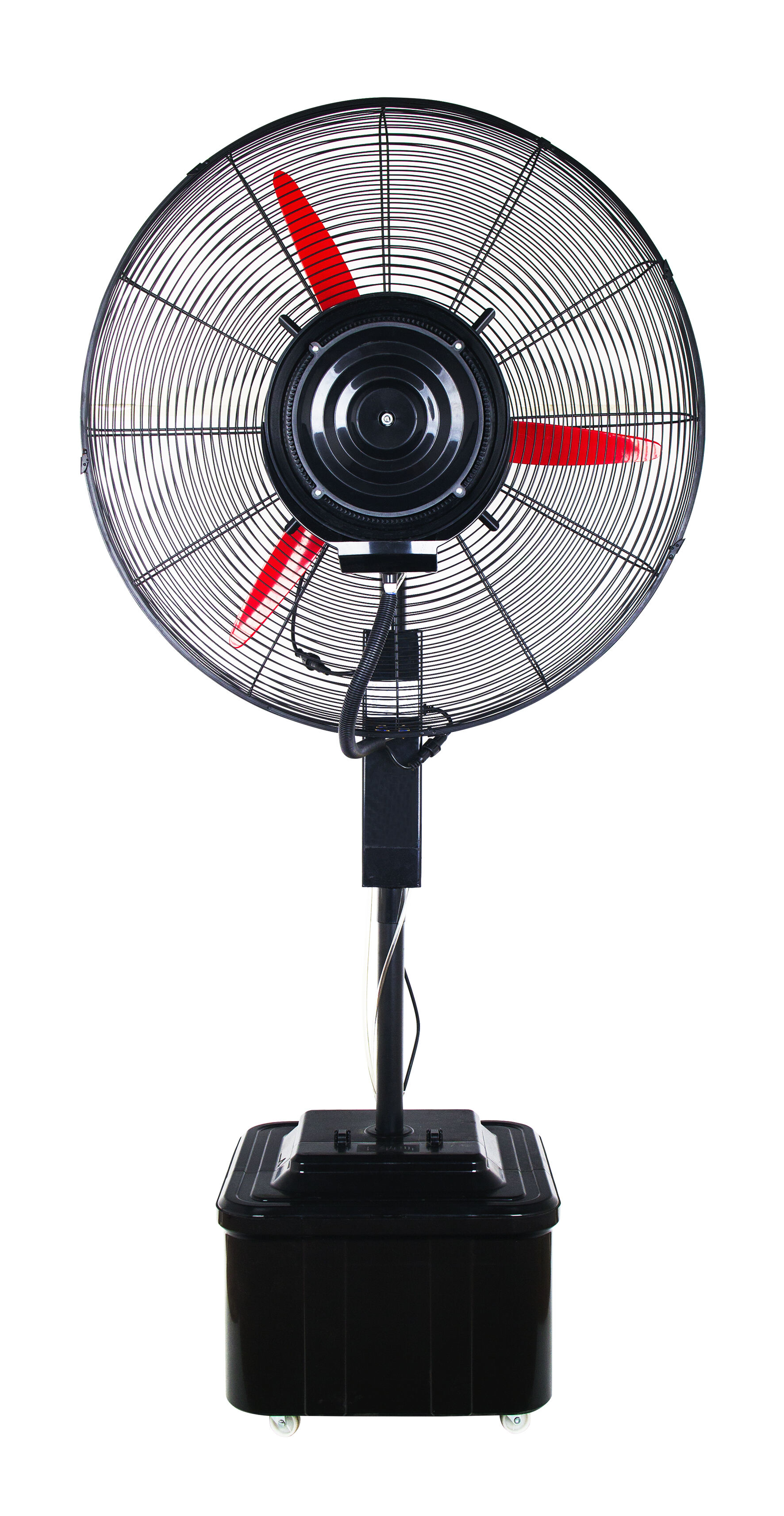
Floating Fans vs. Relative Humidity
The primary principle for the efficacy of these devices is the ability to create an evaporative cooling effect. However, when relative humidity exceeds 60%, the effectiveness is severely compromised. With an environment full of moisture, lots of water droplets will not evaporate, and as a result, the amount of heat absorbed from your body will drop significantly, sometimes by 50%. Not to mention, the mist will keep your body and everything else that it touches warmer, so you won't experience the relief that you might think you will from sweating. There is nothing worse than an uncomfortable situation when clothes are soaked because the mist is retained instead of evaporating through your body's own sweating mechanism. With almost no evaporative cooling effect, a mere 2 to 5 degrees Fahrenheit is all you can expect from these devices as a temperature drop.
If operational mist systems when humidity is high, people may feel hot, so to stay comfortable at high temps, checking humidity is essential.
Real-World Performance: Evidence of the Effectiveness of Mist Fans at Outdoor Events
Case Study: Measured Temperature Drop and Increase in Guest Comfort at a 2023 Music Festival
At a three-day music event in Arizona that had high temperatures of 95 to 102 degrees Fahrenheit, mist fans reduced heat by 7 to 12 degrees in the areas where people congregated. Compared to previous years there was a noticeable reduction in heat-related medical emergencies at the event. Nearly 42 percent of incidents were recorded. Nine out of ten attendees were satisfied and felt the event was well done and had a comfortable temperature. The effectiveness of misting fans is especailly dependant on humidity. If the `relative humidity is less than 50%, misting systems are more effective. If the humidity is more than 60% it is likely that the cooling effect will be weak. This indicates that evaporative cooling solutions are weather dependent.
Optimal Deployment Strategies: Coverage Range, Spacing, and Placement for Maximum Heat Stress Reduction
When considering moisture buildup, proper placement can help maximally distribute cooling. In industry practice, mist fans are to be spaced 15 to 20 feet to facilitate the formation of overlapping, non-saturated zones which leads to optimal performance. Other practices that can prove beneficial include the following:
- Placing the device so that it is 6 to 8 feet above the area being treated
- Directing the mist toward more densely populated areas (e.g. seating, line-ups) as opposed to directing it toward open walk-throughs
- Using perimeter misting lines and mobile fans to stimulate cross-ventilation – having been shown to reduce the symptoms of heat stress by 30-50% in large venues.
Industry analysis on layout of evaporative coolers.
Working with Event Planners: Safety, Scalability, and Guest Experience with Mist Fans.
Finding that balance with mist fans of making them safe, adjustable, and comfortable is a bit of a Goldilocks problem. To start, place the fans in locations where there is no chance of someone slipping, and avoid placing them on the pedestrian pathways where lots of people will be walking. The first of many waterproofing concerns with crowd control come from the electrical connections to the soon to be fan units, and waterproofing the GFCI outlets before the crowd control units/areas is also a major concern. Because evaporative mist fans cool the air around the unit by converting water to vapor, and the control of water flow in a crowd is difficult and unpredictable, we suggest modular units with no plumbing adjustable fans (which also come with restrictions on the crowd size) to enhance the experience and control of the environment ultimately to reduce evaporative mist fans in areas of under-utilized crowd attraction. Our guest experience recommendations adjust evaporative mist fans in a configuration, so they do not water the faces of the people directly.
Adding humidity sensors that activate when the humidity exceeds 60% RH can help keep the refreshing cool feeling without making anyone feel damp and uncomfortable.
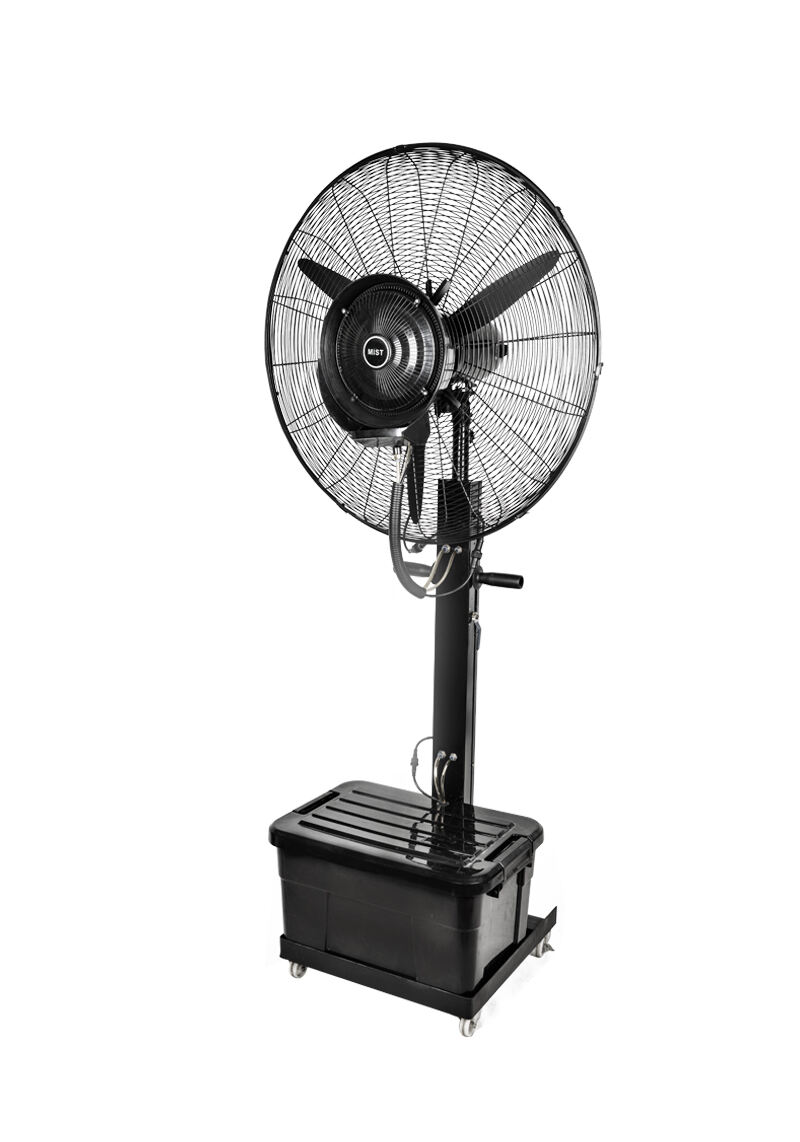
Implementation Focus Key Action Outcome
Safety Wiring secured & placement slip resistant Accident risk reduced
Scalability Zone-based spacing & modular units Adjustable coverage for 50 to 5,000 attendees
Guest Experience Monitored humidity & misting at angles Improved satisfaction by 70% for dry-feeling cooler air
FAQs
How do mist fans work?
Mist fans operate based on the principle of evaporative cooling; they turn water into fine droplets, and when the droplets evaporate, they absorb heat and lower the temperature.
What are the advantages of using mist fans at outdoor events?
They increase the attendees’ comfort and satisfaction, and decrease core body temperature, lower the risk of heat-related illnesses and fatigue.
Do mist fans work in humid areas?
In places with 60% humidity or higher, mist fans are less effective, because the air is already too saturated to allow evaporation.
What is the best placement for mist fans?
Mist fans should be placed and angled toward the most crowded areas, and they should be 6-8 feet above the ground in order to cover the most area in the most effective way. A distance of 15-20 feet between mist fans is recommended as well.
Table of Contents
- Mist Fetts and the Use of Evaporative Cooling for Heat Stress Mitigation
- Floating Fans vs. Relative Humidity
- Optimal Deployment Strategies: Coverage Range, Spacing, and Placement for Maximum Heat Stress Reduction
- Working with Event Planners: Safety, Scalability, and Guest Experience with Mist Fans.
- FAQs