
 EN
EN



Cooling System: Evaporative Cooling vs Air Circulation
The role of mist fans in water evaporation and real temperature reduction
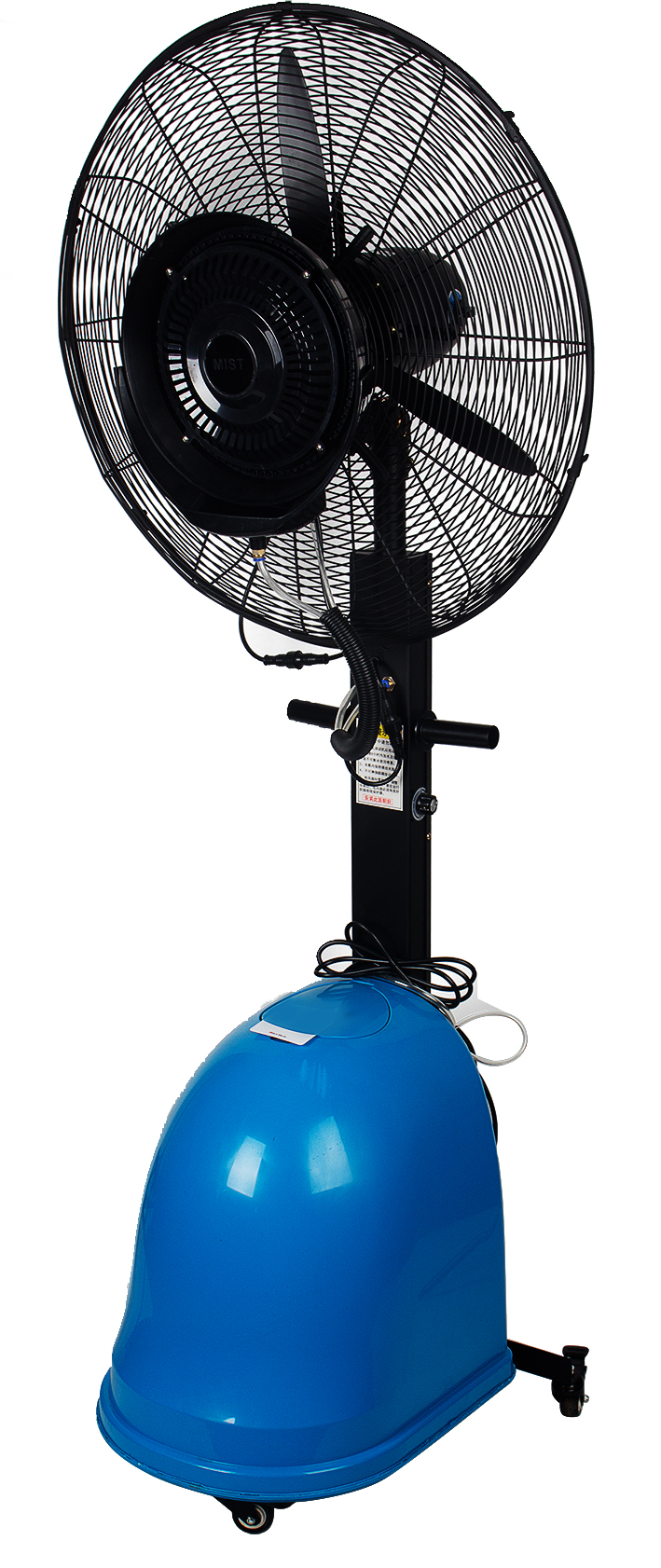
Mist fans operate by cooling the surrounding air using a method known as evaporative cooling. Evaporative cooling occurs when water evaporates and cools the surrounding air. Each droplet of water sprayed into the air will cool down by about 2,257 joules, and can cool the air by up to 15 degrees. Most fans simply circulate air. However, mist fans can measure and create real temperature changes. When air is misted, evaporative cooling will occur and aid in more cooling. The more air movement, the better the evaporation cooling. Air movement also creates cooling when the relative humidity is below 40%. Mist fans also offer a cooling effect without using as much energy as a standard compressor-based AC. Mist systems use approximately 25 - 35% of the energy used by compressor-based systems.
Why do standard fans only create a wind chill effect without lowering the temperature of the air?
Typical fans use the same technology as ceiling fans, pedestal fans, and tower fans, and that technology utilizes air convection and fan blades. This means that the air moved by the fan blades is at the same temperature as the air in the room, so the fan does not lower the temperature of the air. When we use standard fans, we aren't cooling the air in the room. Instead, the fan increases the cooling effect of evaporation of sweat by as much as 3 times, and this generates the wind chill effect. Standard fans may even make the room warmer due to the heat generated by the motor of the fan. Standard fans do not remove heat from the air, and this is why they are so different from evaporative cooling systems that do remove heat from the air and can create a real temperature drop in the air, these systems are not fans.
Climatic conditions: Where mist fans have the best cooling effect
Best cooling effect in dry climates (RH < 40%)
In dry climates with low (<40%) relative humidity, mist fans provide the best cooling effect available. In these environments, the dry air absorbs the water droplets dispersed by the fan, removing thermal energy from the surrounding air. Studies have shown that in such environments, people report a temperature drop of as much as 20 to 30 degrees farenheight. This effect is especially valuable for people working outdoors in extreme environments like deserts or large event venues and yards of factories. Because the cooling effect of the mist fan is dependent on the moisture content in the air, adequate humidity monitoring is essential to avoid unnecessary water consumption through the misting system.
Reduced effectiveness plus the potential for moisture problems above 60% RH
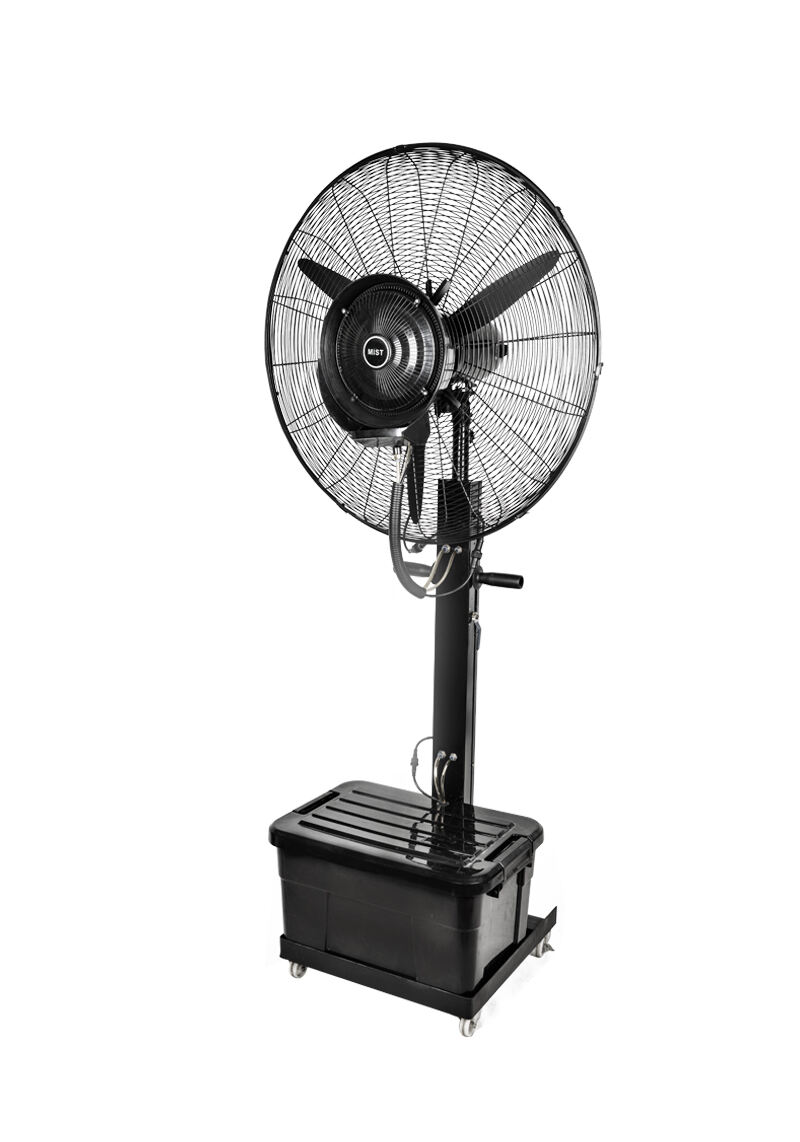
When relative humidity climbs above 60%, the air becomes so close to being fully saturated with moisture that evaporation from surfaces of the water slows to a crawl. Because water cannot rapidly change from a liquid to a vapor, there is not much cooling effect and added moisture converges above surfaces. What happens next? Damp surfaces, slips become a potential and serious problem, mold growth occurs in places where it is unwanted, and the stickiness and humidity of the air is uncomfortable. Even though humidity may be high, regular fans will function, while misting fans will cease to operate as intended. This may also create problems with indoor air quality. If outside air can replace the removed air, then the area will be less humid. Even in the worst winter weather, where outdoor temperatures can drop significantly, allowing some outside air to mix with the air can lower humidity with the addition of regular fans. If regular fans are employed with the added exhaust fans, the chamber and downstream of the exhaust fan will become drier. If relative humidity is between 40% and 60%, expect a very short time. If relative humidity is above 60%, misting systems will require access to a high volume of outside air or these systems will perform correctly only outside.
Perfomance Metrics: Airflow, Coverage and Energy Efficiency of Mist Fans
There are three parameters for assessing mist fan cooling performance: airflow (measured in CFM), cooling coverage distance, and electrical consumption. Fans with higher CFM ratings are better at moving warmer air and cooling larger areas which is important for larger patio and partially enclosed areas like carport. Test shows that when mist fan is mounted at ceiling at certain angle, these fans can cover cooling area of 12 to 16 ft. People including the seated ones directly under the fan get cooling relief while excess water droplets are cooled. Mist fans are regularly tested for air movement and moved air as compared to ordinary fans that moved air, mist fans were tested to consume half of the power. It's not because these fans are more powerful, but rather the motor experienced less evaporative load due to the motor. This is economically beneficial to businesses that run mist fans over long period of time like events and restaurants.
Evaluation of the Benefits of Mist Fan Usage
How fully enclosed spaces affect the humidity and perhaps the safety of underuse of mist fans
Mist fans can cause humidity issues in enclosed areas. Inside, there just aren’t enough areas for the mist to evaporate and work properly. In small areas, less than 500 square feet, humidity can rise quickly. Research done by ASHRAE in 2023 showed that humidity can rise by 25% in 30 minutes if the fans are run continuously. This is above the 60% relative humidity threshold that makes the cooling effect stop working. In areas without ventilation, the moisture from the evaporative mist fans will create condensation, contributing to poor air quality and possible mold growth. Even in larger areas, using mist fans in poorly ventilated rooms can cause a lot of problems. The absence of air circulation creates a ventilated zone that is not the cooling zone. The issues that ensue can be detrimental to the health of the occupants and the structure of the building.
Therefore, an intentional misuse of mist fans inside a structure may create problems, especially when adequate HVAC systems have not been properly installed.
Ideal functions in outdoor environments like patios, warehouses, construction sites, and events.
Mist fans are designed to create evaporative cooling that lowers temperature quickly and effectively by 15 to 25 degrees Fahrenheit (with adequate ventilation). They are installed at construction sites, patios, and event spaces. Recently, we have observed a shift in the positive perception regarding misting fans and the cooling effect that specific hot spots in warehouses provide managers mist systems. Because they require much less energy, the fans are a good way to reduce operational costs. They consume 80% less energy than a conventional air conditioning system. Doing so is especially reasonable for outdoor spaces where the installation of traditional heating and cooling systems is non-optimal.
Frequently Asked Questions
What does evaporative cooling mean and how is it different from air circulation?
Evaporative cooling means changing water to vapor which removes heat and therefore causes those surroundings to reduce in temperature. Air circulation on the other hand, doesn't cool. Air circulation would mean having stagnant air and is moved around the environment (i.e. fan).
Can mist fans be set up in indoor environments?
In indoor environments mist fans are ineffective because of the problem of having increased humidity as the air doesn't tend to move which would be a breeding ground for condensation and mildew or mold as it is a place for mildew.
Where is the optimal place to set up mist fans?
Where the air can freely flow and be moved such as the outdoors or with good ventilation such as in a cooled patio space, opened warehouse, or in a spaced events area is where mist fans work best.
What is the energy consumption comparison between mist fans and traditional AC systems?
Using AC systems will cost about 100% of the energy consumption of mister fans whereas misting systems will cost about 25 to 35% of that energy consumption.
What factors in a consideration will affect the performance of mist fans?
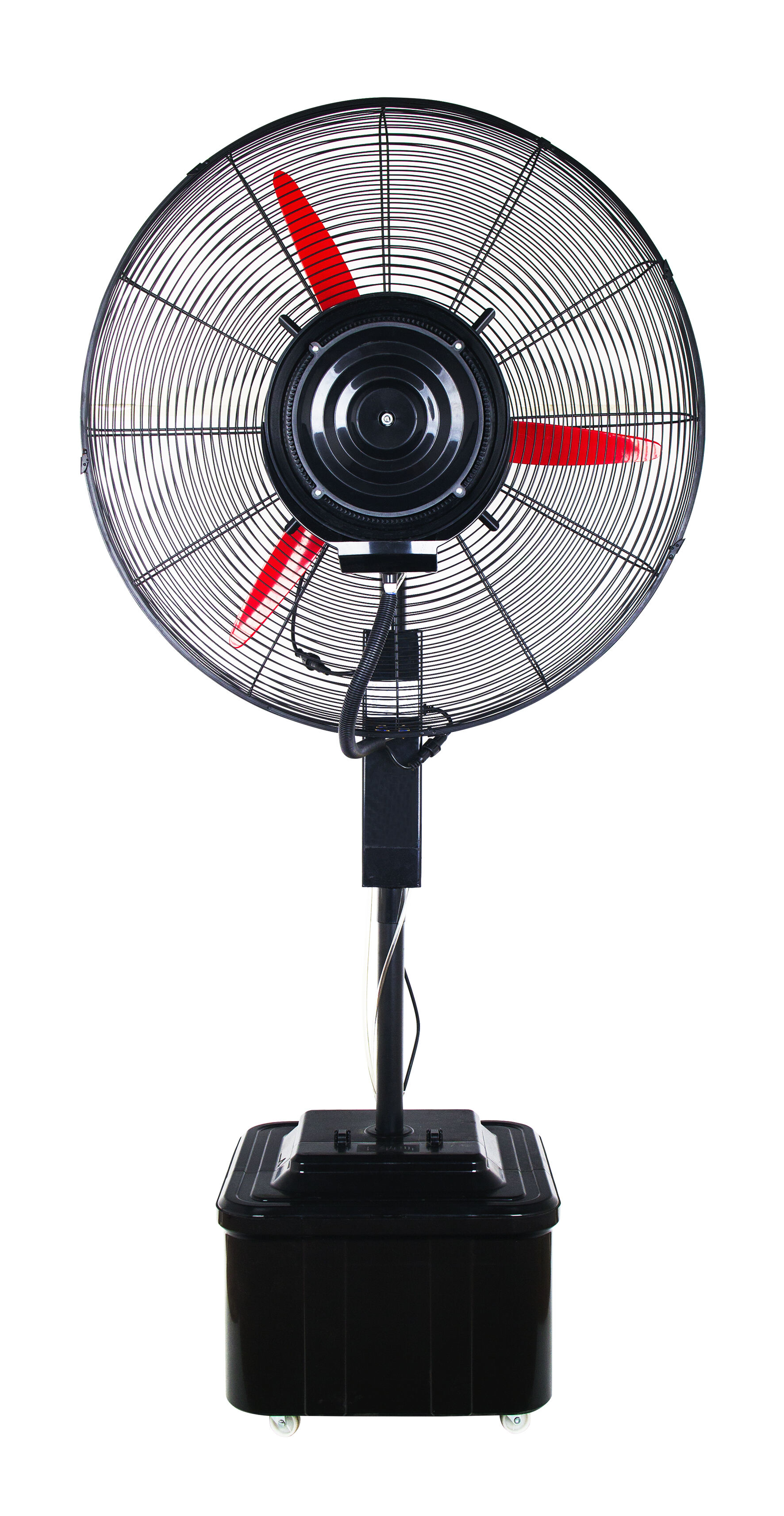
In the effective use of mist fans the air flow, the covered area and the humidity are factors in consideration that are the most influential.