
 EN
EN



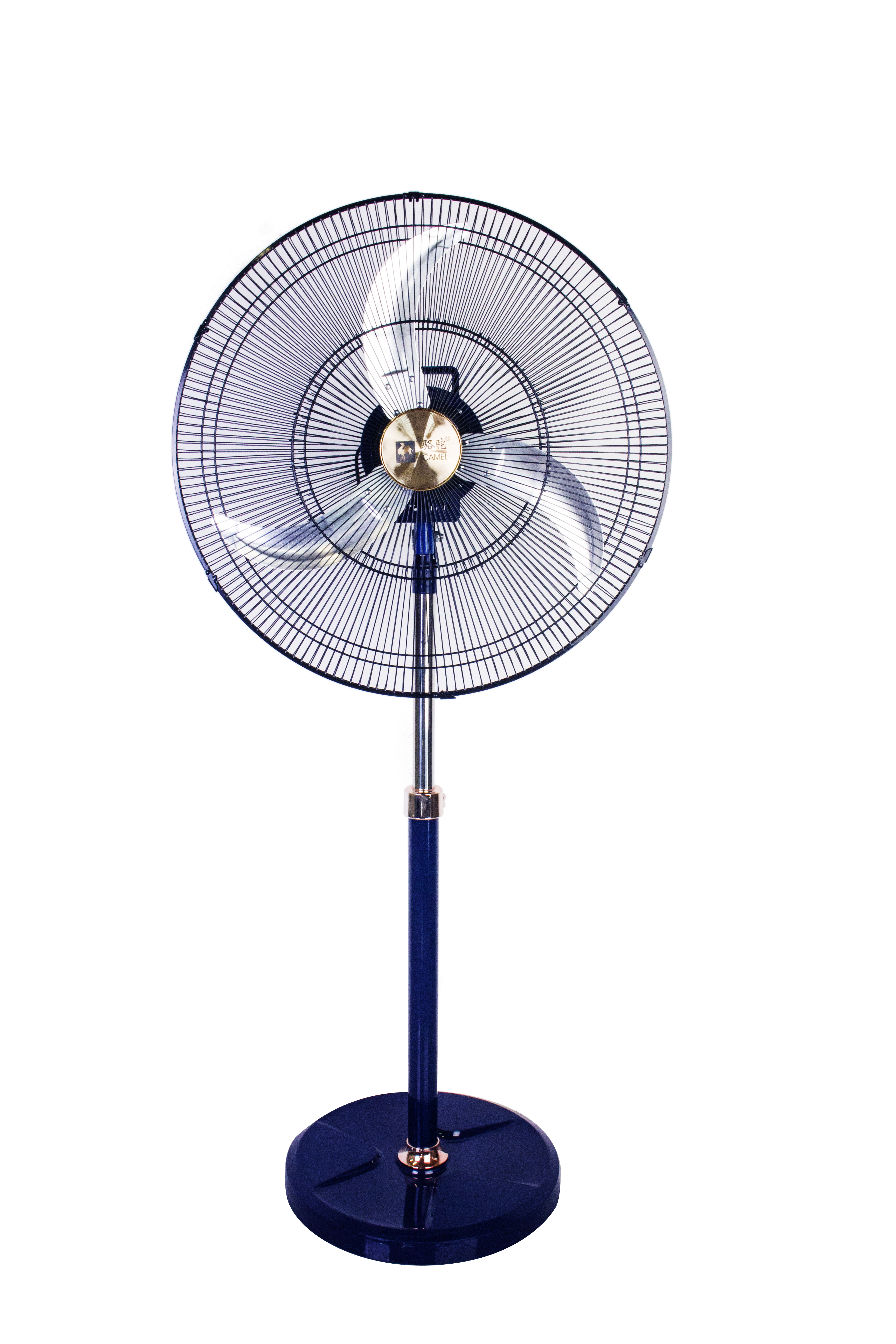
Metal Fans' Aerodynamic Blade Design
Blade Shape, Pitch, and Twist for Airflow
To achieve maximum efficiency from blades on metal fans, the key is the aerodynamics of fan blades' design. The metal fan blades, designed in the shape of an airplane wing with a rounded edge on the front and back, channel airflow downwards and then laterally. These blades are designed to reduce aerodynamic drag on the blades by 25%. The most efficient blades are molded/angled to be 12-15° with respect to the horizontal. The blades are designed to balance lift and drag. Additionally, there is a twist along the entire length of the blade to achieve uniform pressure on both surfaces of the blade. Engineers employ a computational fluid dynamics (CFD) analysis to achieve the maximum performance from metal blades fans. The analyses show that well-designed metal fans are able to move 40% greater airflow with the same energy consumption as traditional fans. This is an important design for energy productive environments.
Why Metal Allows Precision Aerodynamic Shapes Not Possible with Plastics
Metals' intrinsic strength allows the realization of far more complex aerodynamic configurations than plastics will ever permit. For example, an aluminum airfoil can be manufactured with bendable metal edge strips that are capable of precise adjustments that can be as small as a millimeter. Plastic components tend to warp under the cooling, freezing, and heating cycles plastics encounter, and this can be the root of a number of issues. Metal airfoil blades, even under high-speed operation, remain rigid, and hence the desired aerodynamic pitch will still be present, all of which are critical to ensuring proper airflow. Conversely, a plastic airfoil can experience as much as a three-degree twist under normal operating conditions and, as a consequence, a decrease in aerodynamic efficiency of 15 to 20 % can be expected. Additionally, the ability of metals to withstand high temperatures (more than 150 °F) is a major advantage since plastics will sag. The ability of metal to remain rigid and stable even at extreme temperatures creates a very supportive base for precision computer numerical control (CNC) machining, thereby eliminating the variability found in injection molded plastic parts.
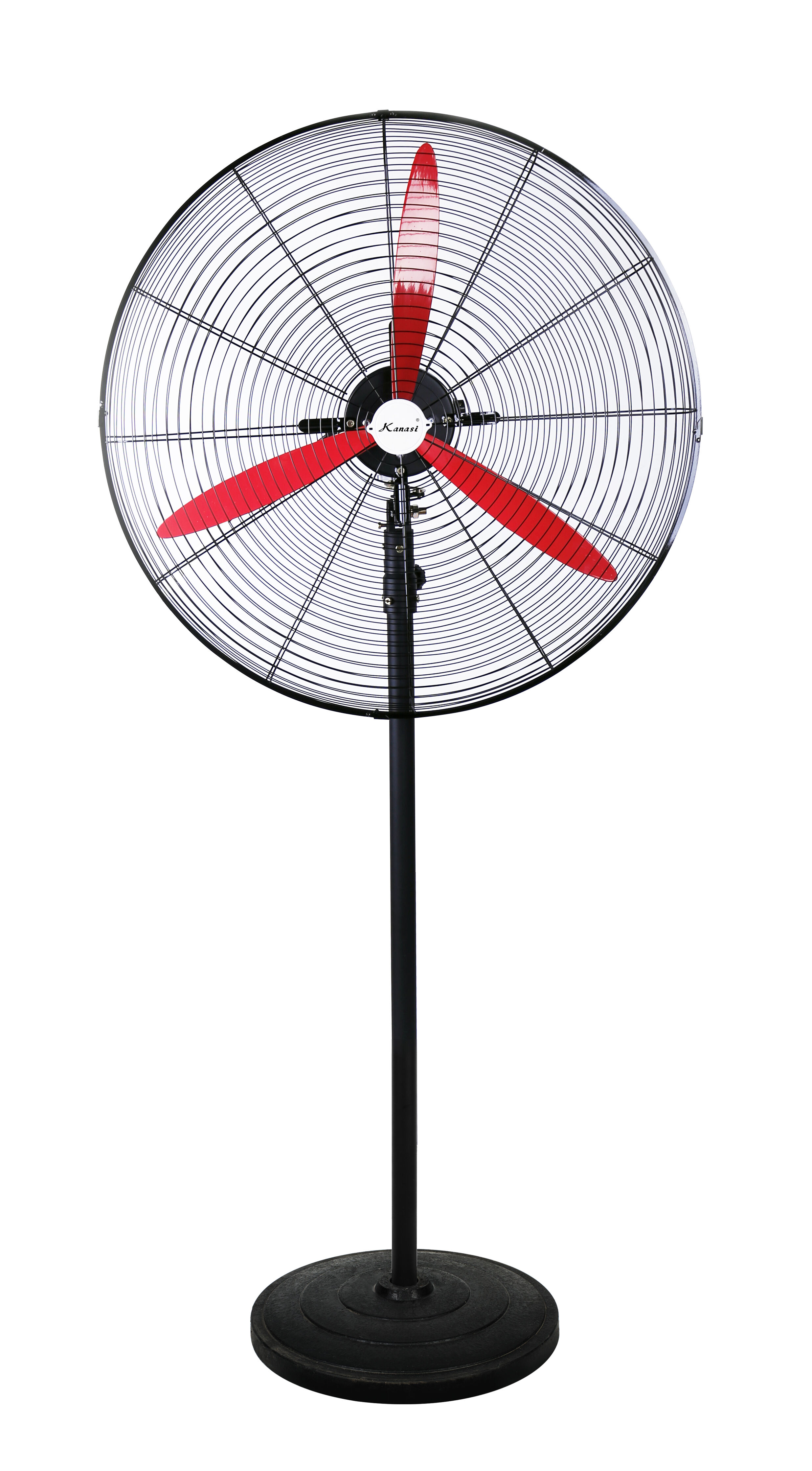
Material Rigidity and Structural Stability in Metal Fans
How Metal’s High Modulus of Elasticity Reduces Vibration and Turbulence
Problems with airflow can be prevented with the right material. High quality steel alloys, for example, have a stiffness rating above 193 GPa. At that rating, they do not bend, and do not warp, when under pressure from their operational environment. Because they remain stiff, the blades bend less and reduce the number of turbulence pockets that form around the blades, wasting less energy. Tests have shown that their operational vibration is less than 0.5 mm/s and operate 15-20% quieter than their plastic rivals. In addition, they do not degrade the airflow around the blades as plastic blades will. When a manufacturer is able to precision machine blades from a metal that maintains it’s stiffness, the performance decrease associated with the precision blade will be delayed.
Frame and Casing Rigidity: Minimizing Resonance to Preserve Airflow Integrity.
Strong metal frames effectively reduce annoying harmonic vibrations and manage resonance keeping the operational range of the chassis and devices intact. Consider newer constructions like welded steel and aluminum casings and compare them to older constructions like riveting or plastic casings. Modern casings reduce the resonant frequency of the construction by 30 to 50 percent. Solid constructions eliminate the flutter zones that disrupt airflow throughout the construction. Take the example of motor mounts: With metal motor mounts, vibration is absorbed, and the blades are kept aligned and they do not bounce around. This means that for the entire construction and system, all for the entire system and construction, the airflow is cleaner, the operational temperature is better controlled, and everything operational is less. Lasts longer.
Thermal Performance and Energy Efficiency of Metal Fans
Metal Fans Ensure Efficient Motor Cooling and Function Cooling
Due to superior thermal properties, metal fans conduct heat away nearly 40% more rapidly than their plastic fan counterparts. Motor overheating is the biggest challenge in fan operation at a reported 34% of motors being cited for failure in last year's Facility Engineering Journal. Metal fans provide significant cost and performance advantages by cooling the motors, which remain efficient during operation of PMSM at >84% as in the Industry Analysis Reports. Plastics do not improve performance; if anything, reduced heat flow and removal result in 15-22% reduced performance annually, and greater performance drops are observed in external load cooling applications. Companies switching to metal fans save about 23% electricity costs compared to composite fan models. Until recent years, the cooling of motors is the only form of cooling provided in most current systems; however, recent advancements in systems include built-in intelligent smart sensors to facilitate real-time monitoring of temperature and adjust either load and power consumption to provide improved cooling, reduced power consumption, and improved motor performance. At $18,000 annual cooling cost per 10,000 sf cooling of space, metal fans provide a payback in less than 3.5 years and extend fan operation of metal fans.
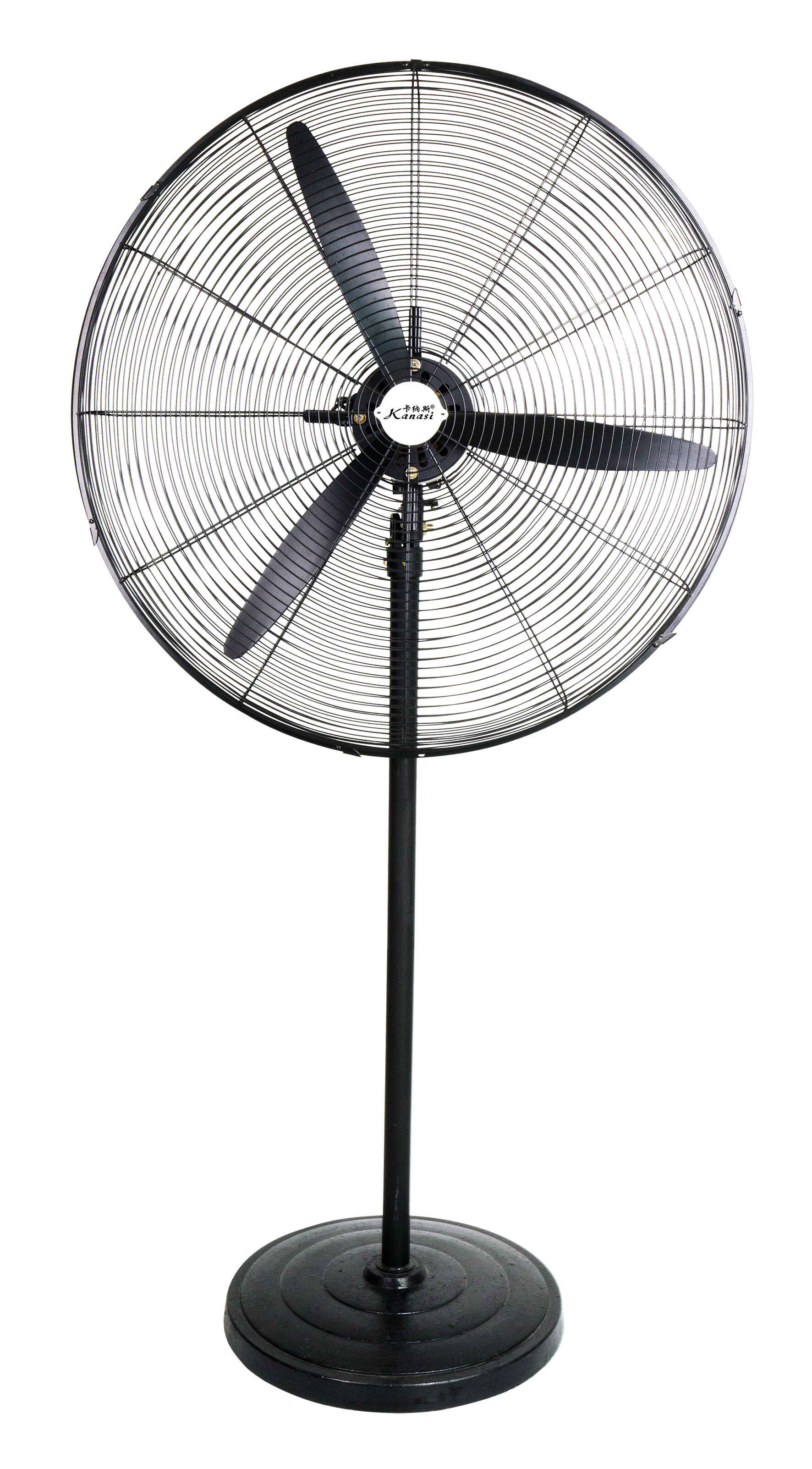
Secondary Flow Management: Grills, Spacing, and System Integration
Optimized Metal Grill Design to Minimize Pressure Drop and Flow Distortion
Grills made of steel and aluminum offer less resistance to airflow than grills made of plastic. This is because well-designed grill structures will permit a more even and steady airflow, resulting in pressure drops approximately 18% less than older grill designs. This allows for more efficient energy usage, and reduces the number of turbulent swirls that otherwise disrupt the flow of air. Unlike plastic, metal does not flex at high temperatures or in stressful operational conditions, so the grills retain their intended design continuously without the creation of flow-obstructing deformities. Computer simulations have shown that metal grills are able to retain their straight structure in high-speed airflow conditions, even in the presence of plastic grills that have a tendency to distort more than 9% of their design. Furthermore, the spacing of the blade gaps is a critical consideration for ensuring that maximum flow volume is achieved; therefore, metal grills integrate well with heating and air conditioning systems or factory ventilation systems. The result is less energy consumption in operating the fans.
FAQ
1. Why is efficiency better with metal blades as opposed to plastic?
Due to plastic blades having less efficient airflow and heat conduction, metal blades will always outperform plastic.
2. How do blades retain shape while under pressure?
Because of the metallic structure that preserves shape by having a higher modulus of elasticity and thus, will not bend or warp.
3. Why is metal better than plastic in fan frames?
Because plastic frames bend and lose airflow, while metal stays rigid, eliminating plateau vibrations and maintains the airflow structure.
4. What is the metallic fan energy saving potential?
These fans can save up to 23% in electricity costs, and the fans will last longer as a plastic fan will create more friction and heat leading to a burned out motor.
5. How does grill design impact metal fan functionality?
Optimized design in metal grills reduces pressure drop and plastic grills will always have more resistance.