
 EN
EN



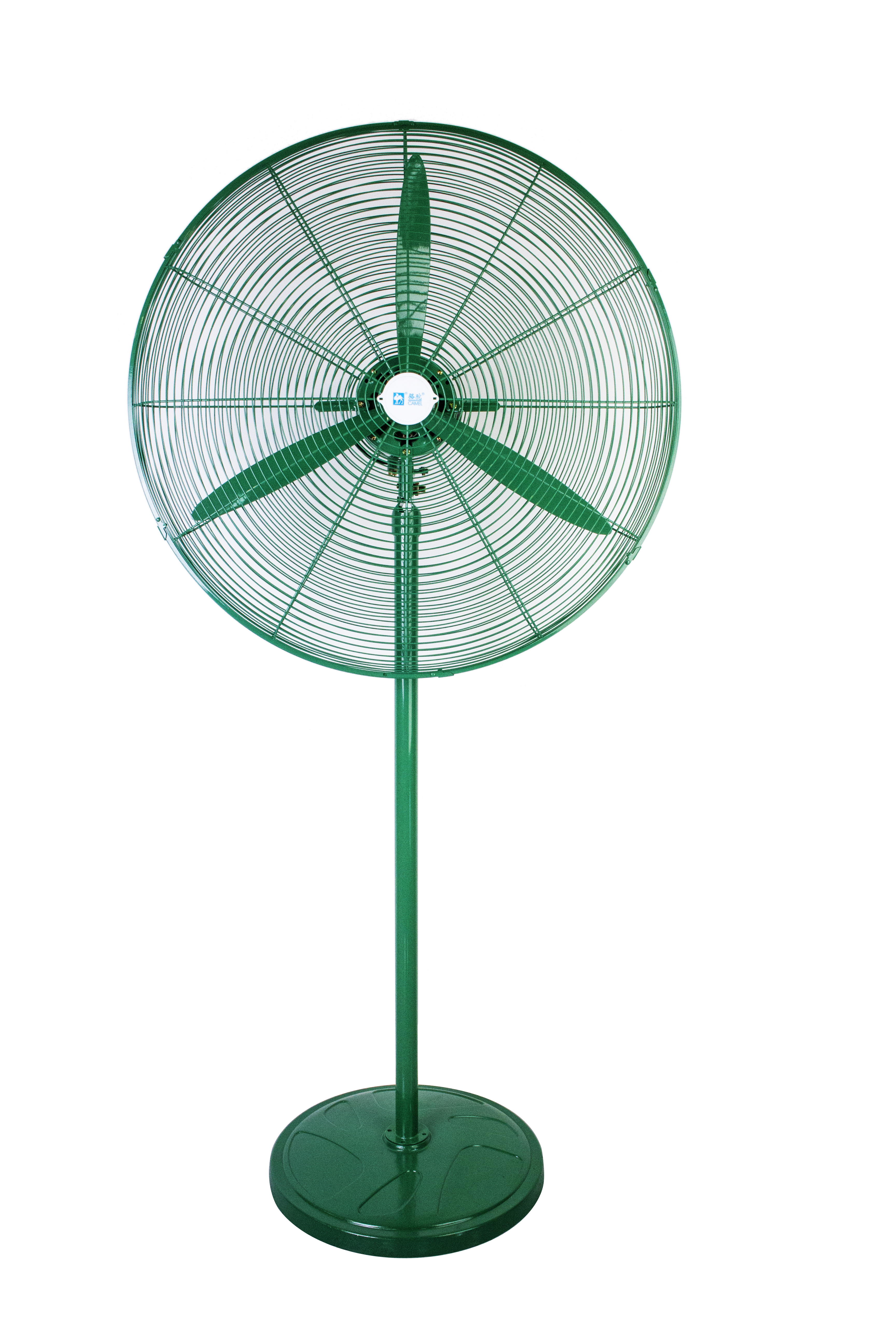
The Strength of Metals Used for Industrial Fans
Corrosion Resistance: Stainless Steel, Aluminum and Galvanized Carbon Steel in Direct Comparison
For industrial metal fans, there is a must for combatting aponent of corrosion that is moisture, harsh chemicals and airborne dirt. Grade 316 Stainless Steel is one the best one's for defence, as being based on stainless steel grade 316 design, which holds chromium, nickel and molybdenum metals which, on their own, don't handle as good as stainless steel handles, being that this design is one of the few that holds up against chlorides and acids making a place for the metal steel to be a choice for combatting corrosion as the norm. Stainless steel grade 316 would be the fastest to fail in a food processing plant, pharmaceutical plant, and a marine place. Aluminum is on the other hand, stronger against attack and does possess a Aluminum is more advantageous against corrosion as it has on defence a means of form an a means of a The defence for galvanized carbon steel is slab zinc sacrificial coating. being dip galvanized and then going under the ASTM A123's standards of regulations for making galvanized carbon steel, in a mere pH 4—13 filled place, the rules of zinc catastrophe then introduces, pitted and white rusty things where there is plenty of corrosion.
Unlike thermoplastics, these metals don’t lose their strength at high temperatures, where thermoplastics can melt and lose structural integrity.
Integrity of structure when faced with vibrations, blows, and continuous mechanical stress
In the case of metal parts structured to face continuous movement, engineers look at particular characteristics of certain alloys for their longevity. For example, stainless steel is able to withstand fatigue which is beneficial for the maintenance of properly shaped blades even when they operate continuously at 3,500 rpm (foundry exhaust systems). In comparison with steel, cast aluminum, according to industry standards, is able to dampen vibrations to a greater extent than steel is. An improvement of 40% in this area translates to reduced bearing wear and fewer resonance problems in the heating and cooling systems. When it comes to structures needing to remain strong, full penetration welding is, without a doubt, better than bolted connections. With respect to repeated stress, bolts, unfortunately, do not provide the same level of reliability. Real world tests have shown that a well-designed carbon steel framework is capable of sustaining huge impacts corresponding to 5g without any permanent deformation. However, there is a caveat: heat affected zone of welding jobs. If not properly managed, stress corrosion cracks will occur; most shops avoid this by using third party inspections to comply with iso 5817 standards.
Thermal and Chemical Resilience of Metal Fans in Aggressive Environments
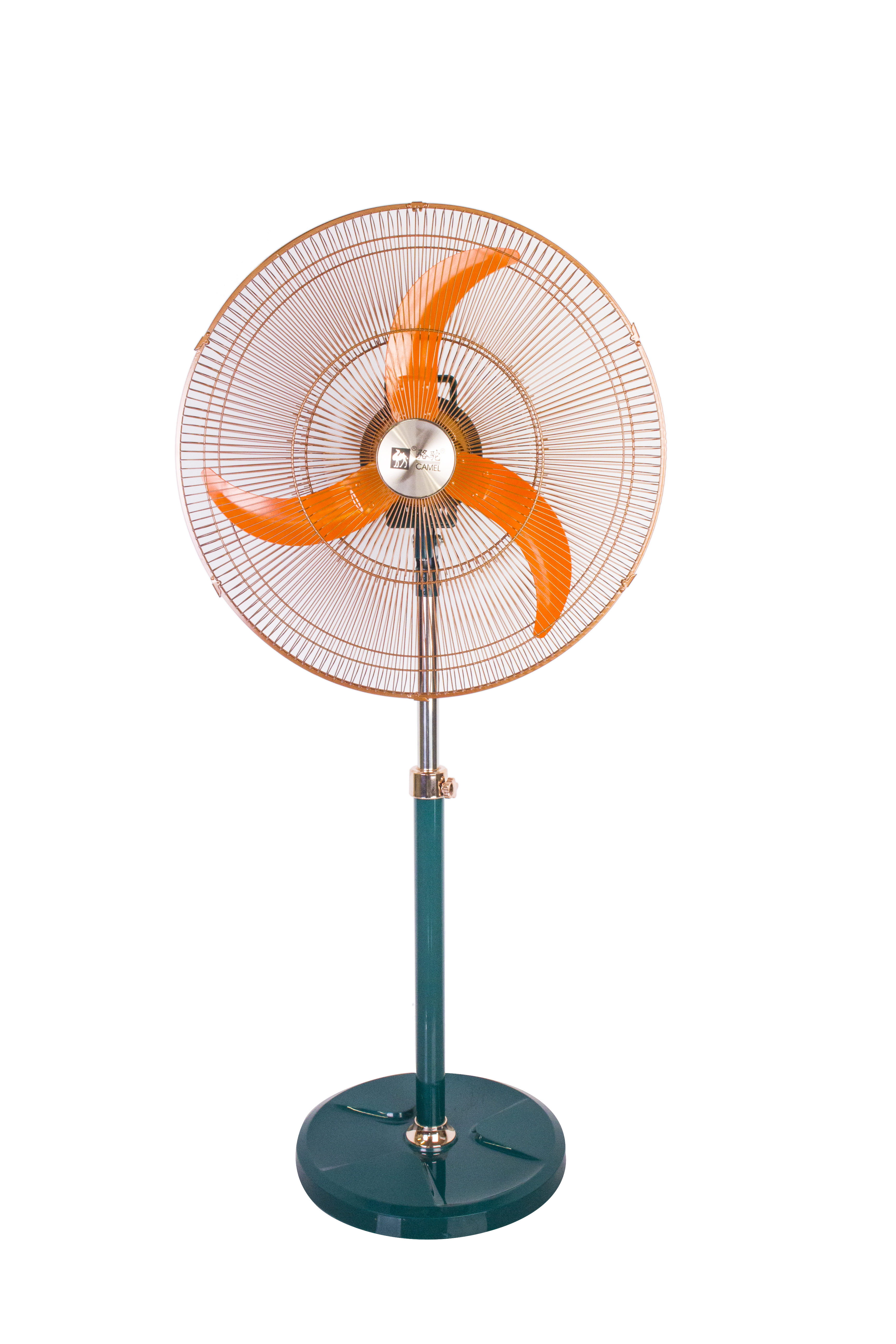
High-Temperature Limits by Alloy: 316 Stainless Steel vs. Cast Aluminum
When evaluating materials for use in furnaces, smelting, and power generation, thermal stability is crucial. 316 stainless steel is effective in these situations, as it is able to retain 90% of its strength at 650 °C (1472 °F), and is capable of withstanding temperatures exceeding 800 °C (1472 °F) because of its chromium content, which forms protective oxides at the surface and strengthens the grain boundaries. Cast aluminum, in contrast, exhibits much poorer thermal stability. In fact, above 300 °C (572 °F) aluminum becomes structurally weaker, and as temperatures exceed 400 °C, the rate of oxidation is high enough to become brittle. Aluminum also exhibits high thermal losses in strength; at 260 °C, it can lose as much as 40% of its tensile strength, all while 316 stainless steel is able to retain almost all of its initial properties. Since the exhaust in smelting plants operates at temperatures above 700 °C, there is no other option than to use stainless steel for these types of reliable and demanding applications.
Testing Some Chemicals Compatibility with Acids, Caustics and Solvents (ASTM G31)
Chemical exposure requires testing, not guesswork. ASTM G31 G31 immersion testing is a form of positive testing, from which many empirical results can be produced. The testing simulates years of service and looks at weight loss, pitting and deep pitting and surface degradation. Some results are:
316 stainless steel resists up to 20% dilute sulfuric acid and caustic soda solutions, but is susceptible to chloride pitting (an important factor along coastal and de-icing salt environments).
Aluminum alloys are attacked and suffer catastrophic corrosion from low pHs of hydrochloric acid (also from pH condensates) but are ok with ammonia vapors and nitric acid.
Aluminum in these environments is not acceptable for the industrial standard. Acceptable (industrial) service with weight loss = (longer than) 0.5 mm/year. Test results = loss (316 stainless) = (less than) 0.1 mm/year in 50°C acetic acid (2.5% in water) and with the same conditions (less than) 1.2 mm/year loss (aluminum).
Aluminum suffers catastrophic corrosion (also from) with ammonia + nitric acid + chloride + (high) pH.
Stress corrosion cracking, inter-granular attacks, and other failures can be avoided by utilizing the ASTM G31 results along with site-specific contaminant characteristics (e.g., trace halides, organic solvents, and mixed acid condensates).
Performance and Safety Characteristics of Metal Fans in Diverse Industrial Uses
Comparison of Centrifugal and Axial Metal Fans Regarding Airflow, Static Pressure, and Particle Matter
Based on the aerodynamic shape, industrial metal fans are classified differently and are customized for different system specifications. Centrifugal fans generate extremely high static pressures, sometimes exceeding 100 inches of water gauge. This makes them vital for resistant systems such as: fume hoods, dust collection systems, and exhaust systems with long runs. These fans operate by rotating impellers, which, using centrifugal force, push particles outwards. This outwards particle pushing keeps fan blades freer for longer and optimizes fan functionality even when exposed to dusty or abrasive airstreams. Conversely, axial fans are designed to operate at low static pressures – usually at and below 4 inches of water gauge. Axial fans are designed for high volumetric flows, sometimes exceeding 100,000 cubic feet per minute. These fans are better suited for open area ventilation, cooling tower, or new air supply to cleanrooms. Unlike centrifugal fans, axial fans are only designed for low dusty airstreams and do not operate well in dusty airstreams. Because of this, axial fans are designed of different materials from centrifugal fans, usually with coatings designed to meet the mechanical demands of the airstream and with well-defined maintenance regimes, to remove the dust from the air stream, which is usually fully contained from the airstream above the required location.
A key difference in safety is that in hazardous environments centrifugal fans have a lower likelihood of creating sparks, whereas axial fans can become unbalanced due to inconsistent debris accumulation, posing a significant risk of creating fire hazards.
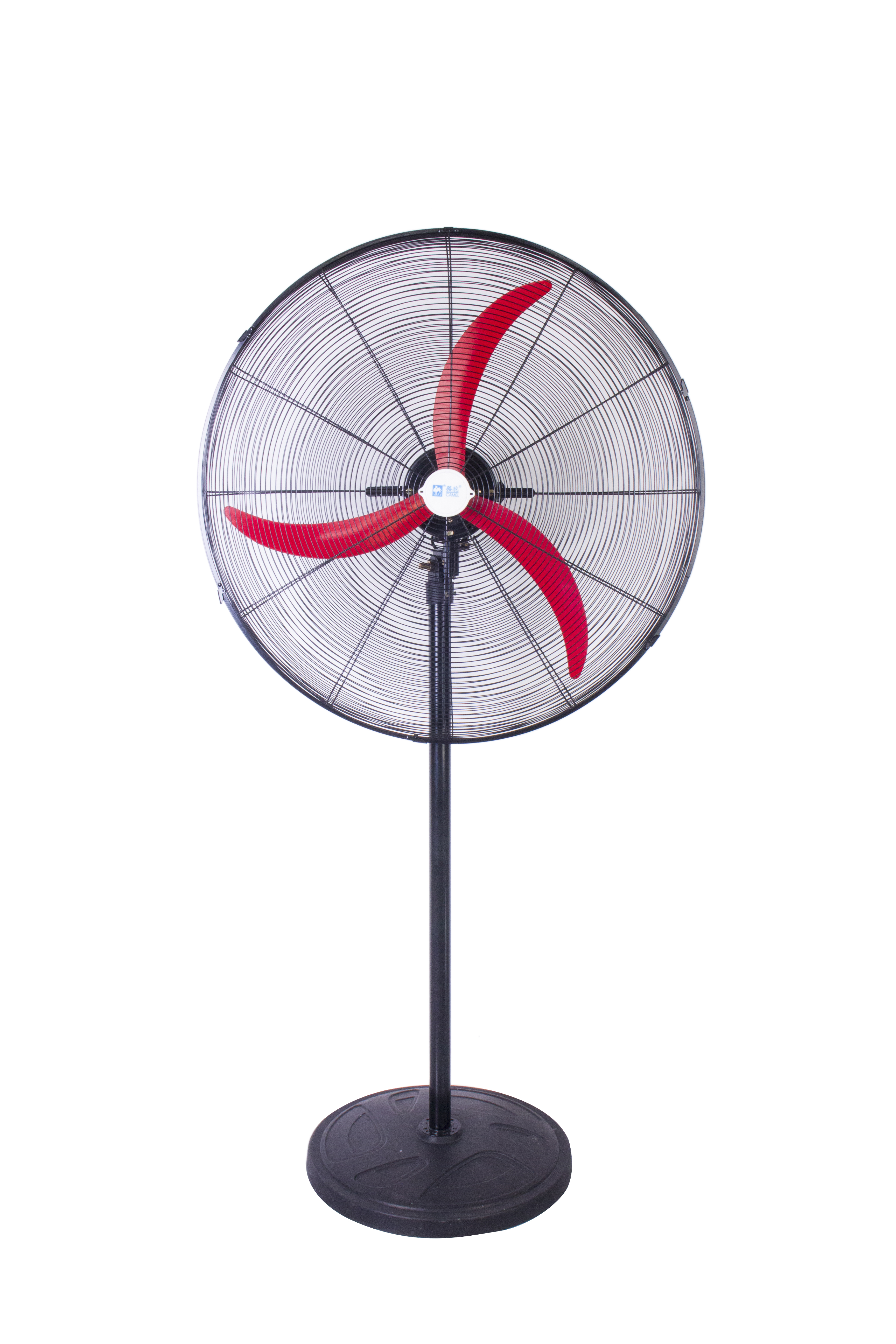
Performance Factor Centrifugal Metal Fans Axial Metal Fans
Airflow Volume Moderate-high (₀50,000 CFM) High (100,000 CFM)
Static Pressure High (>100" WG) Low-moderate (<4" WG)
Particulate Handling Superior (centrifugal expulsion) Requires coated blades
Selection must match the system’s resistance, type and concentration of contaminants, and necessary hazard certifications—otherwise, energy inefficiency, premature wear, or the ignition of combustible dust can result from misapplication.
Regulatory Compliance and Safe Deployment of Metal Fans
ANSI/AMCA 210-23 Efficiency Standards and ATEX/IECEx Certification
Our methods of measuring and ensuring safety and compliance are bound by legal requirements and compliance to industry standards. An example of such an industry standard is ANSI/AMCA 210-23. This provides standards and procedures for testing airflow, static pressure, and power consumption of equipment. This testing is beneficial to facility managers because it provides a means of comparison for multiple equipment options and calculations for long term operating cost efficiencies, especially for large industrial facilities. Some workplaces require special considerations due to potential explosive environments, such as chemical processing, grain storage, and automotive paint spraying. This is where ATEX and IECEx approvals are required. These approvals investigate the entirety of the fan, motor, and sealing components, to ensure there is no potential ignition source and compliance to any and all sealing requirements. These approvals ensure there is no possibility for ignition or combustion due to sparks, excessive pressure, or hot surfaces, to ensure combustion is impossible. Companies are financially liable for noncompliance to these standards, making compliance a necessity.
OSHA has issued more than 500,000 dollars worth of fines for safety violations in explosive environments in 2022.
Critical Risk Mitigation: Spark Control and Grounding in Hazardous Areas
When working in areas where flammable vapors or combustible dust are present, multiple layers of engineering controls are a necessity. For instance, the use of spark resistant materials such as bronze or beryllium copper impellers eliminates a dangerous ferrous contact point which could ignite a dust or vapor cloud. For an effective Grounding system, proper bonding is required. There should be an elimination of static charges. According to the NFPA 77, the resistance, at any single point, of the connection should be less than 10 ohms. This is the consideration when the coal handling plants have been able to achieve such a significant reduction in fire incidents. NFPA 2022 Documentation has shown a reduction of fire incidents by more than 72% due to reduction of compliance violations. Fire incidents in these plants have been shown to be a direct result of compliance to these guidelines. Documentation of Maintenance activities is another area of extreme importance. It is required by OSHA 1910.106 and NFPA 499 to have a system in place, by the user, to have the Technicians verify that the system is intact, that the blades have not been excessively worn, that the system has been sealed against an ingress of dust, and that the system Maintained to stop the Ingress of dust. This practice is not just a good practice, but a required practice.
FAQs
Which metals are commonly used for construction of industrial fans?
Metals commonly used in construction of industrial fans are 316 stainless steel, aluminum, and galvanized carbon steel, because of their corrosion resistance and strength/durability in varying conditions.
How does 316 stainless steel resist high temperatures in industrial applications?
316 stainless steel heat resistant oxides, corrosion develops differently with stainless steel, and 316 retains 90% of its strength up to 650 degrees Celsius.
Why is aluminum not suitable for use with strong acids?
Why is aluminum not suitable for use with strong acids?
In low-pH acidic conditions, aluminum is subject to rapid and complete corrosion.
What safety standards are necessary for deploying metal fans in explosive environments?
In explosive environments, metal fans need ATEX and IECEx certifications, where certain components are reviewed to eliminate ignition risks.
How do centrifugal and axial fans differ in industrial applications?
Centrifugal fans are used for high static pressure (compared to resistance), whereas axial fans are used for low static pressure and high volume airflow (like in cooling towers and open area ventilation).