
 EN
EN



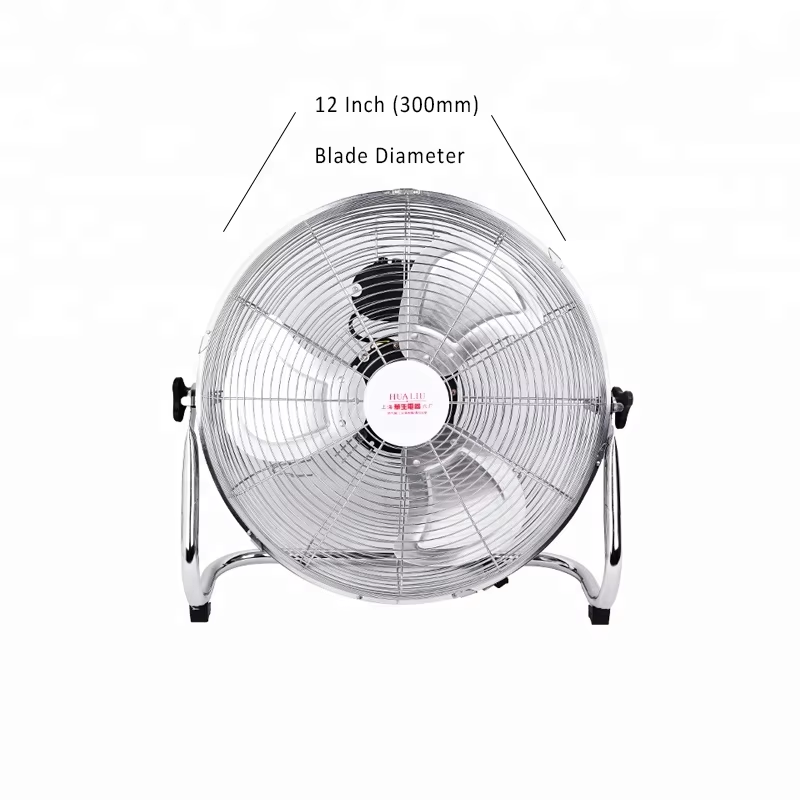
The logic behind the design of floor fans features two mechanisms. They create boundary layers and allow for forced convection, in turn, improving airflow over large areas.
Improved airflow and the redistribution of thermal layers in conjunction with the targeted use of floor fans.
Thermal stratification is often a problem that many people do not consider when designing large indoor spaces. High ceilings can often create thermal gradient stratification of air, with temperature changes of up to a half degree of fahrenheit for every foot of height in a room. This can mean that the temperature being experienced by a person near floor is dramatically different to that of a person near the ceiling. Floor fans help alleviate thermal stratification by pulling down warm air from the ceiling and pushing up the cool, dense air from near the floor. With destratification, it is important to ensure thermal comfort in the work area. This is generally considered to be in the zone of around 6 feet above the floor. Research from 2023 by the US Department of Energy identified that the cost of heating a space can be reduced by 30% when air is properly mixed and in constant circulation. This is a result of the even redistribution of temperatures. The constant and even circulation of air stops moisture from accumulating in storage areas and corners of processing spaces. The spending of space stored goods is wasted when the environmental conditions in the area are not controlled, resulting in loss of products, and, in the case of storage of goods, will result in loss of stored goods.
Maximizing Ventilation Coverage through Floor Fan Placement Optimization
Intelligent placement for sufficient cross ventilation and significant dead zone reductions
Position floor fans in high human/heat generating machine areas, and ensure no air obstructions. There should be at least (1/2) the total width of the fan unobstructed by walls, and an unobstructed space equal to the diameter of the fan between each unit for unrestricted flow and to avoid turbulence. For cross ventilation, position intake fans so that they have direct lines of flow to air exits - including the open doors and the roof ducts we installed last month. This aligned placement of fans will produce a greater volume of air to flow through the space. As a result of foregoing stagnant air from corners and along walls, we have observed a 40% reduction in moisture issues in the majority of warehouses and factories, which translates to significantly less equipment maintenance and an increase in work comfort.
Sizing and spacing guidelines: matching CFM output to space volume and occupancy needs
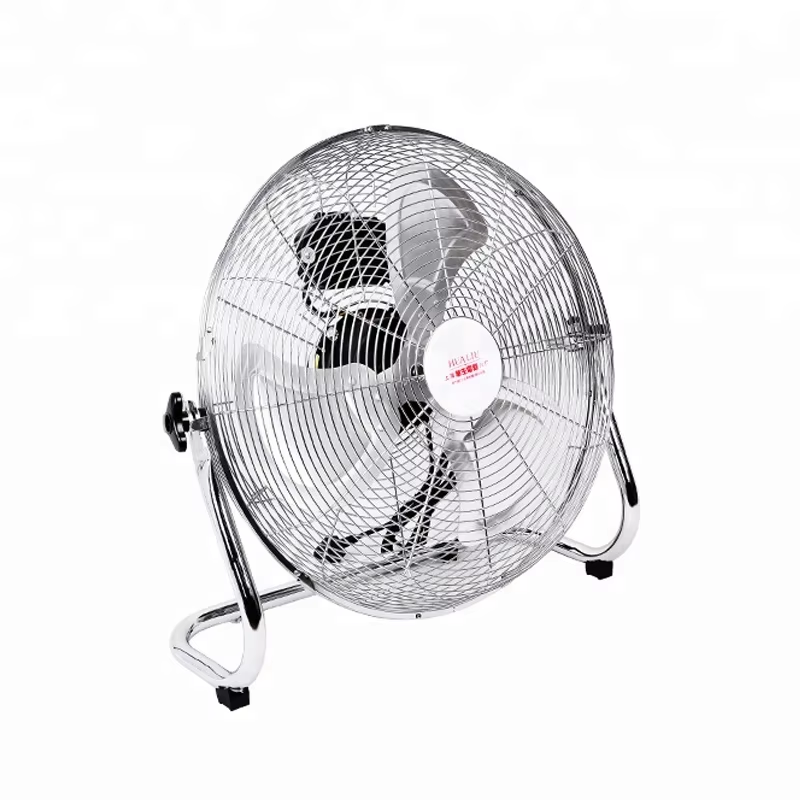
Comparative Analysis: Floor Fans and Other Forms of Ventilation
When cooling a targeted area, floor fans work great for direct cooling. However, that is where floor fans end, while high volume low speed (HVLS) fans offer a much larger, wide, and gentle breeze that will cool larger areas. Floor fans work differently than exhaust fans because exhaust fans suck air out of a space without adding air, or “freshening” the air, while floor fans push air around the space. This helps stir the layers of varying temperatures that typically build up in a space. From an energy usage perspective, the Department of Energy shows that HVAC systems use around 40% more energy than a regular portable fan for similar amounts of air moved. In spaces where airflow is more important than cooling, and for lower energy use, floor fans offer a much better option than any other type of ventilation. They also allow for faster and more responsive air flow changes throughout the day.
Advantages of using floor fans for zoned cooling, intermittent operation, and large area use on a budget
There are three clear operational contexts where a floor fan outperforms anything else:
Zoned cooling: use zoned cooling to direct air flow to only occupied or warmed areas, and save energy on areas that are not occupied.
Intermittent use: Only use cooling devices at peak occupancy, production/shifts, or times of the day when the load demands it.
Large area use on a budget: deployment cost are 70% lower than traditional hvac systems, and they are not ducted, do not use refrigerants, and are not complex controlled.
Cost-effective ventilation solutions
Because they do not have filters to clean, ducts to recharge refrigerants or complex controls, they have little to no maintenance, and they are a good solution for ventilation challenges. They are good strategic tools for seasonal situations.
FAQ
How do floor fans help reduce heating costs?
Floor fans help to mix the air in the room by pulling the warm air that collects on the ceiling and pushing the the cold air up Floor fans can help reduce heating costs by as much as 30% in the winter.
Where should I place floor fans to get optimal air circulation?
Fans should be placed in areas where a lot of people are moving or where there are a lot of hot spots. Make sure there is enough space around the fan to avoid obstruction of air flow.
How do floor fans compare to other ventilation solutions?
Floor fans provide spot cooling and efficient air mixing suitable for specific areas, whereas systems like HVAC provide broader but more energy-intensive air distribution.
Why are floor fans beneficial for zoned cooling and budget constraints?
Floor fans are budget-friendly, with lower installation costs than HVAC systems, while allowing directed airflow to areas that require it, saving on energy costs.