
 EN
EN



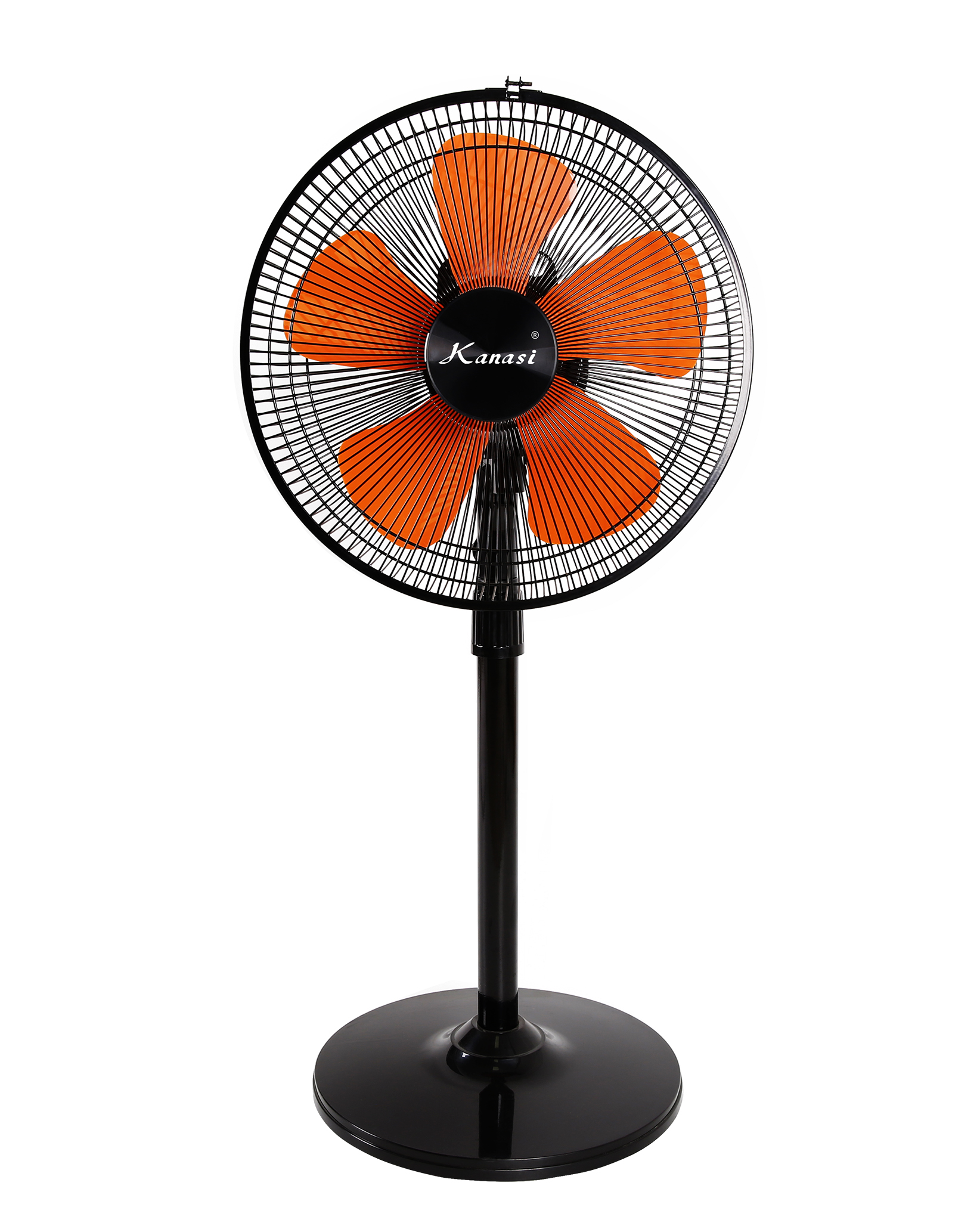
Research-Backed Reasons for Fan Height Adjustability
The gradual rise of air temperature with altitude causes indoor environments to form layers of heated and cooled air. Due to the temperature gradient, lack of air movement causes ’dead air’ zones. These zones form in the corners, under furniture, and along the ceiling and the floor. They develop particulate matter, indoor air quality quickly deteriorates. Stand fans counter thermal stratification, and adjustable ones can focus air to move layers stratification
These three features make adjustable fans more effective:
- Height: Repositioning the fans in the range of 24-48 inches changes the height at which the air stream exits.
- Tilt: 15-30° can redirect air to disperse up or down or to counteract movement of the air.
- Oscillation: changes in air flow vectors constantly alter the flow of air to have an effective movement. A study in Computational Fluid Dynamics has shown that these adjustments in the design of fans can reduce the temperature of the air stream by an average of 2.3°C.
Height and Tilt Adjustment: Maximizing Cross-Room Air Exchange with Stand Fans
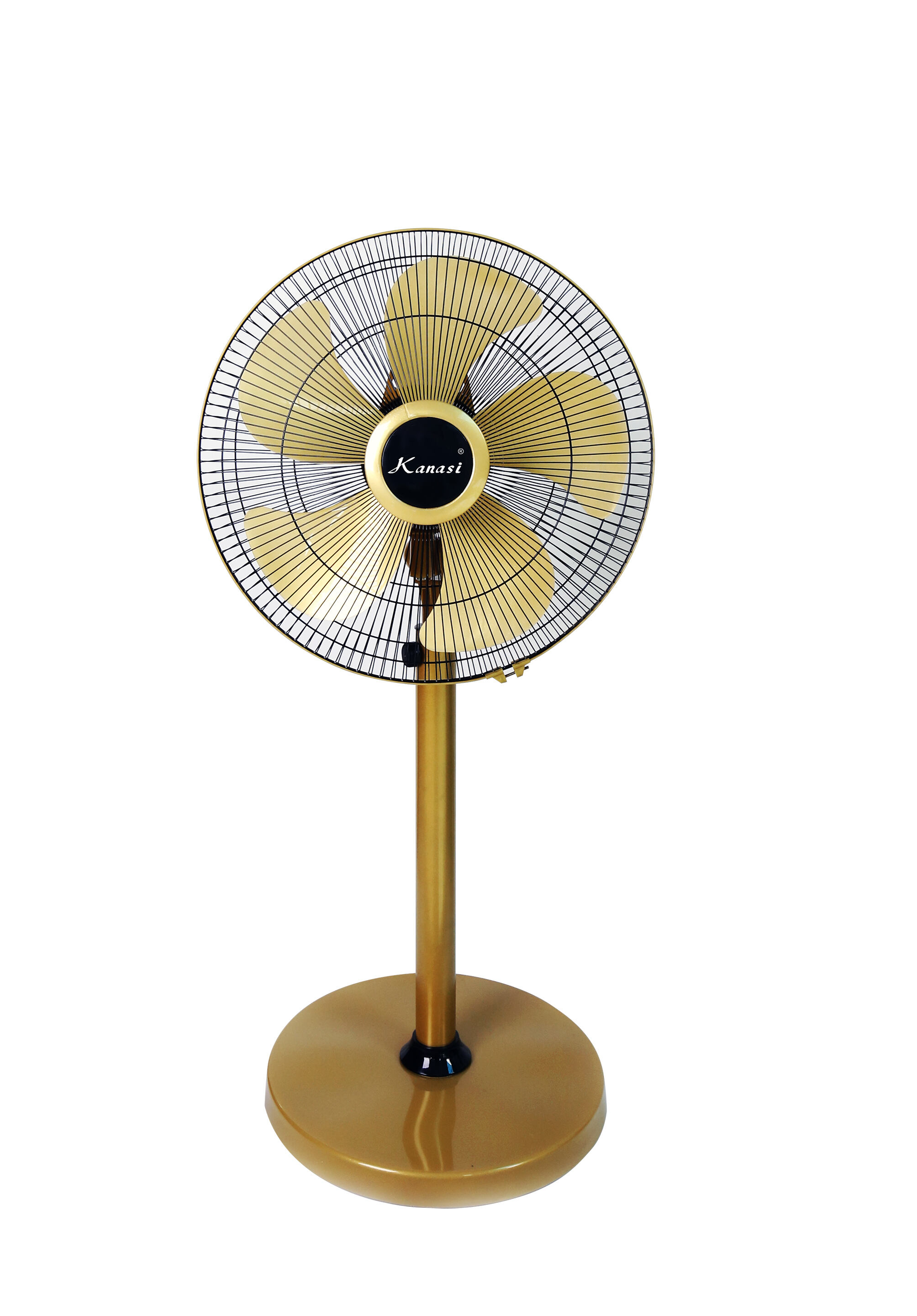
CFD-Validated Impact of 24–48 Inch Height Adjustment on Air Distribution Uniformity
Height adjustable fan systems allow for precise vertical configuration at 24–48 inches; an optimal range for disrupting thermal layering. AirMix Technology indicates that fan height set at 36 inches achieves upwards of 40% efficiency in air mixing than unadjustable fan heights. This height also ensures optimal airflow at ceiling levels with occupant zones whilst utilizing the Coandă effect. With a 15°–30° upward tilt, horizontal airflow is directed across the room rather than into dead zones. Research from Indoor Air Dynamics Institute (2023) indicates that air mixing systems at 36 inches combined with 25° tilt in a standard 300 square feet room, achieves a temperature stratification reduction of 5.3°F (3°C). This range of height and tilt creates a unified cross-ventilation system, transforming uncontrolled stagnant air pockets into thermal comfort without the excessive use of cooling energy.
Oscillation and Directional Control: Expanding Coverage for Whole-Room Circulation
Wide-Angle Oscillation (90°–120°) Increases Effective Coverage of Air by 37% Compared to Fixed Stand Fans
Stand fans placed in fixed positions tend to create stagnant air pockets in corners and behind furniture. This is addressed by wide angle oscillation to create dynamic airflow. Fans with 90°–120° sweep disrupt the boundary layer and redistribute neglected air to the stagnant zones. This movement pattern, according to HVAC Efficiency Reports (2023), is predicted to increase effective coverage by 37% as compared to static models.
The mechanics are straightforward:
Their oscillation changes airflow direction every 4−7 seconds.
Wider angles are able to overcome barriers like partitions and clusters of furniture.
Directional controls allow target seating areas and other hotspots.
This constantly changing airflow prevents thermal stratification. Separately controlled oscillating fans create cross-currents to accelerate room air exchange. Directional louvers direct airflow to the occupancy zones. The combination of these features moves localized cooling to larger areas.
Intelligent Speed and Oscillation Control with Improved Air Distribution
Tiered Programming Strategy: Synchronizing RPM, Oscillation Frequency, and Type of Obstruction in the Room
To achieve the air distribution consistency, room characteristics must be considered in the setting of portable fans. A tiered programming approach matches RPM to obstruction density using oscillation. More obstructed zones are assigned higher RPM and broader oscillation angles (90°−120°) to penetrate the barriers. Comparely, unconfined areas are better served by slower RPM and narrower oscillation to avoid wasting energy. Studies have shown that the optimized pairing of these parameters reduces stagnant zones by 53% and improves air exchange efficiency by 29% (Building and Environment 2022). More sophisticated models employ algorithms that detect the imstructure of the room, and self-correct every 30 seconds to maintain the balance of airflow uniformity. This approach secures thermal feeling without energy spikes in partitions and asymmetrical layouts.
Enhanced Air Movement Efficiency through Optimal Fan Position
The placement of a portable fan can mean the difference between a simple cooling solution and an efficient air circulation solution. Placement of a fan greatly influence airflow distribution and the presence of stagnant zones.
Avoid corners: The placement of fans in corners of the room leads to obstructed airflow and a loss of effective coverage of the fans by almost 40%.
Open-space angle: Positioning airflow along the longest room dimension enables cross-ventilation and increases the rate of airflow exchange.
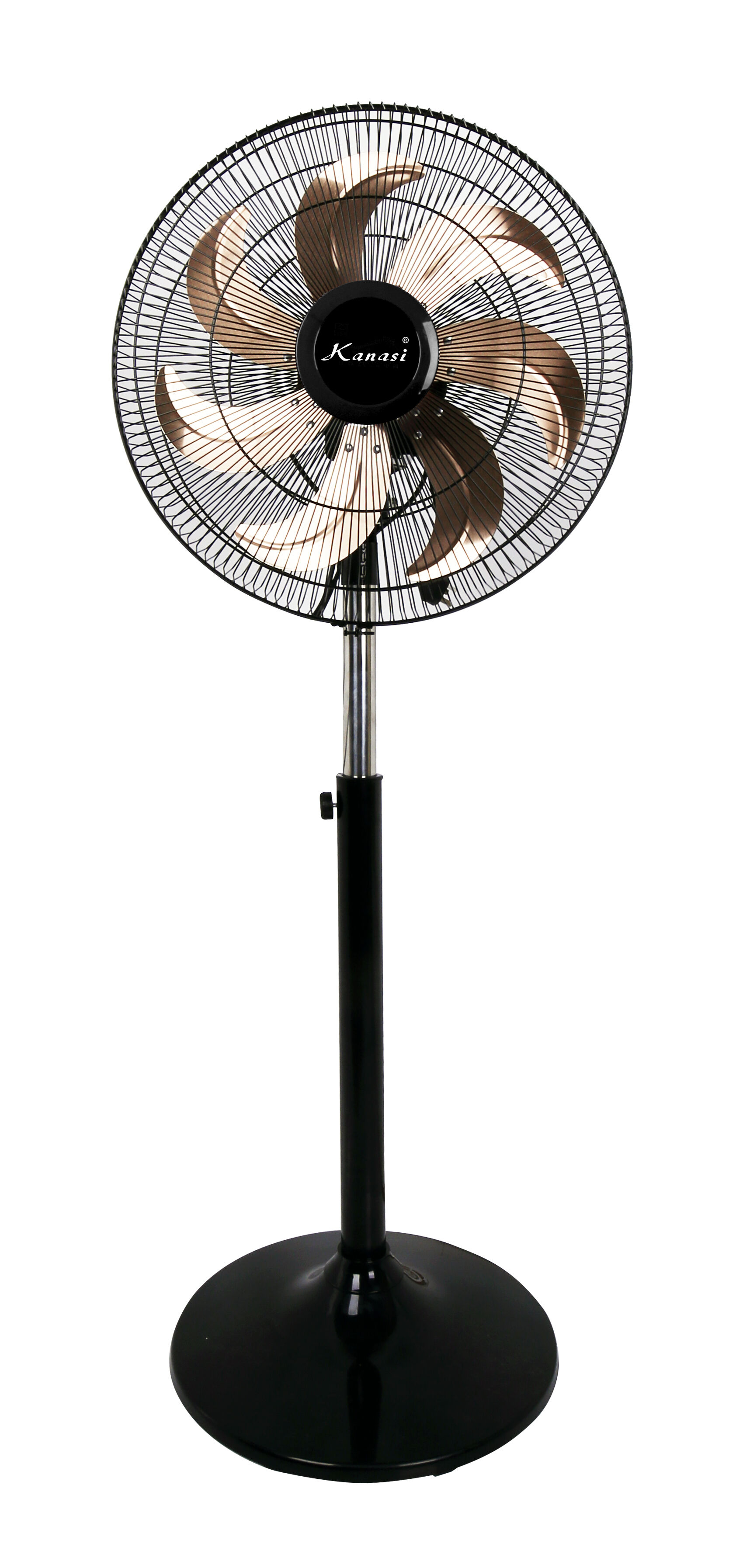
Distance from walls: Keeping a clearance of at least 3 feet from the wall assures optimal airflow and prevents airflow velocity from decreasing due to backflow turbulence.
Positioning adjustable stand fans at the center of a high-occupancy area promotes uniform air mixing, while the adjustable oscillation at the source of heat allows air to break the thermal stratification in the area. With this wall and height-integrated placement, fans' maximum range was used to minimize dead zones and improve cooling efficiency by 31% compared to obstructed placement.
FAQ
Why is stand fan adjustability important?
Regarding thermal stratification, untreated air pockets, and undesired stagnant air, adjustable stand fans have the advantage of being able to focus airflow in a particular area to improve all of the aforementioned conditions and improve in-room air circulation.
How does oscillation improve air circulation?
Insufficient air mixing and thermal stratification are outcomes of a stagnant airflow and of the occurrence of thermal stratification. Controlled alternation and the use of a fan’s oscillation function promote equal airflow provision across the room by changing the flow direction along various vectors.
What is the optimal height for stand fan placement?
The optimal height range is 24-48 inches, with the height of 36 inches often being the most preferable in giving the best results in air mixing efficiency and thermal stratification reduction.
How can stand fans improve thermal comfort without high energy costs?
Giving the best high, adjustable, stand, and oscillation fans a run for thermal comfort and energy conservation led to a high level of calm air movement and low level of over cooling effort needed to not spend a lot of energy. fan.’'