
 EN
EN



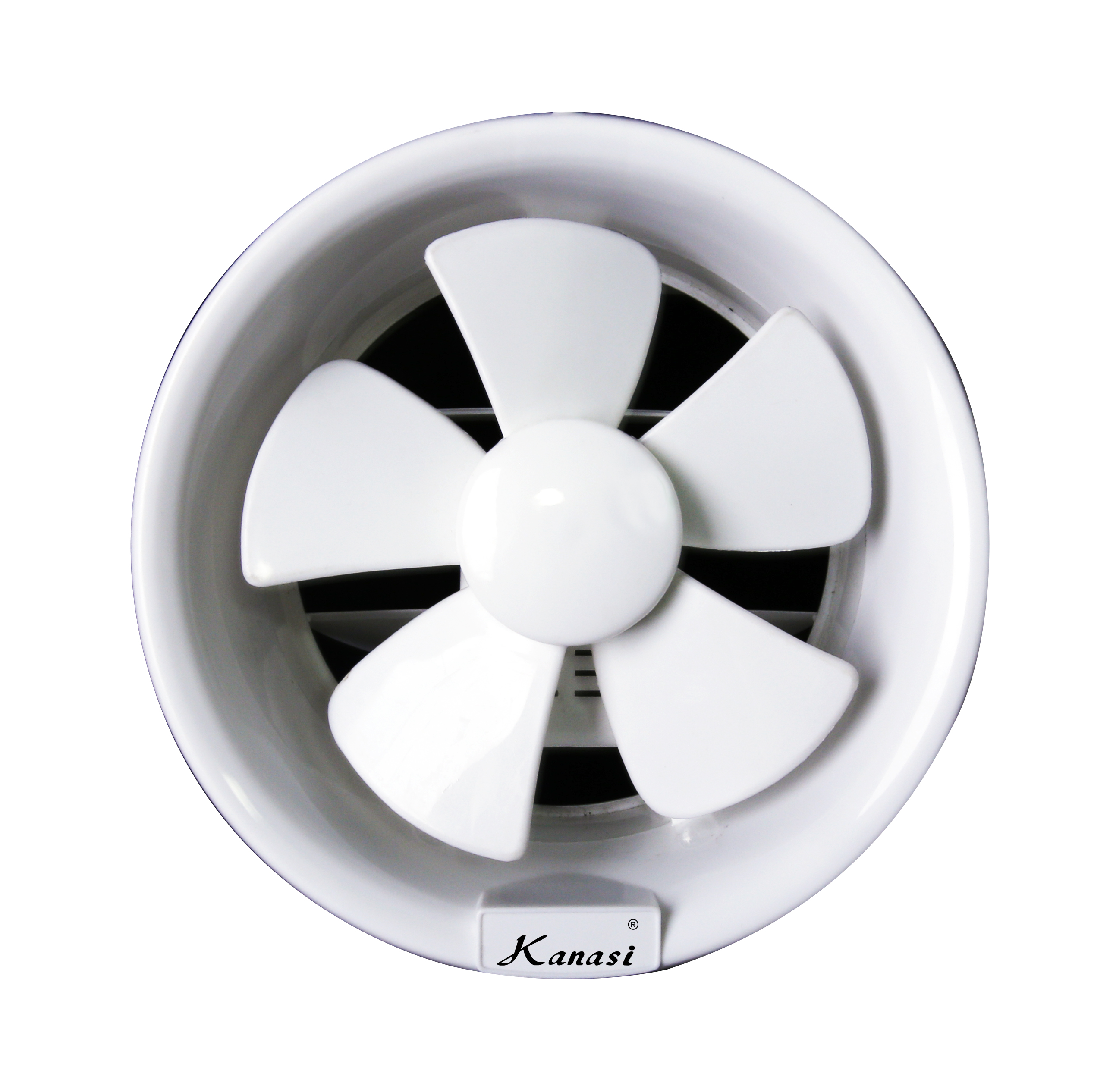
Forced Ventilation for Temperature and Humidity Control
Fulfilling The Need for Control in Greenhouse Environmental Microclimates
First and foremost, using ventilating fans for irrigation Greenhouses will shed stagnant and excess humid air, which helps to eliminate extremes in climatic micro environments that are not favorable to the plants growing in the Greenhouse. Secondly, the continual airflow that comes from the fans prevents air stratification, along with the warm air that generally sits and collects on the ceiling. The fans also disrupt the localized humidity around the plants, which establishes and maintains a constant stable vapor pressure deficit. Research in controlled-environment agriculture in the year 2023 has shown that grower Forced Ventilation achieved 20% more uniform growth compared to grower Passive Ventilation. Based on the above reasons, growers should consider using Forced Ventilation irrigation fans in their Greenhouses.
Axial vs. Centrifugal Fans: Which is Better to Grow Humidity-Sensitive Crops?
Fan preference rests primarily on internal design and humidity fluctuation sensitivity of crops:
Fan Type Airflow Type Pressure-Creating Capability Target Crop Classes
Axial High-emission, linear airflow Type Low to Medium Leafy vegetables, and herbs (tolerate humidity fluctuations)
Centrifugal Directional, air emission Centrifugal Orchids, mushrooms, and propagation-stage cuttings (demand ±3–5% humidity fluctuation)
Centrifugal fans are optimal when air circulation channels are small or blocked. They exert the right pressure to circulate air to do a function of horizontal airflow (HAF) ducting. They efficiently focus air circulation deeply into the crop canopies, maximizing airflow to the tops of the canopies to disperse moisture. Axial fans, on the other hand, have a wider coverage range and can move air faster. In the case of orchid cuttings and crops sensitive to humidity fluctuation, centrifugal fans are the preferred option.
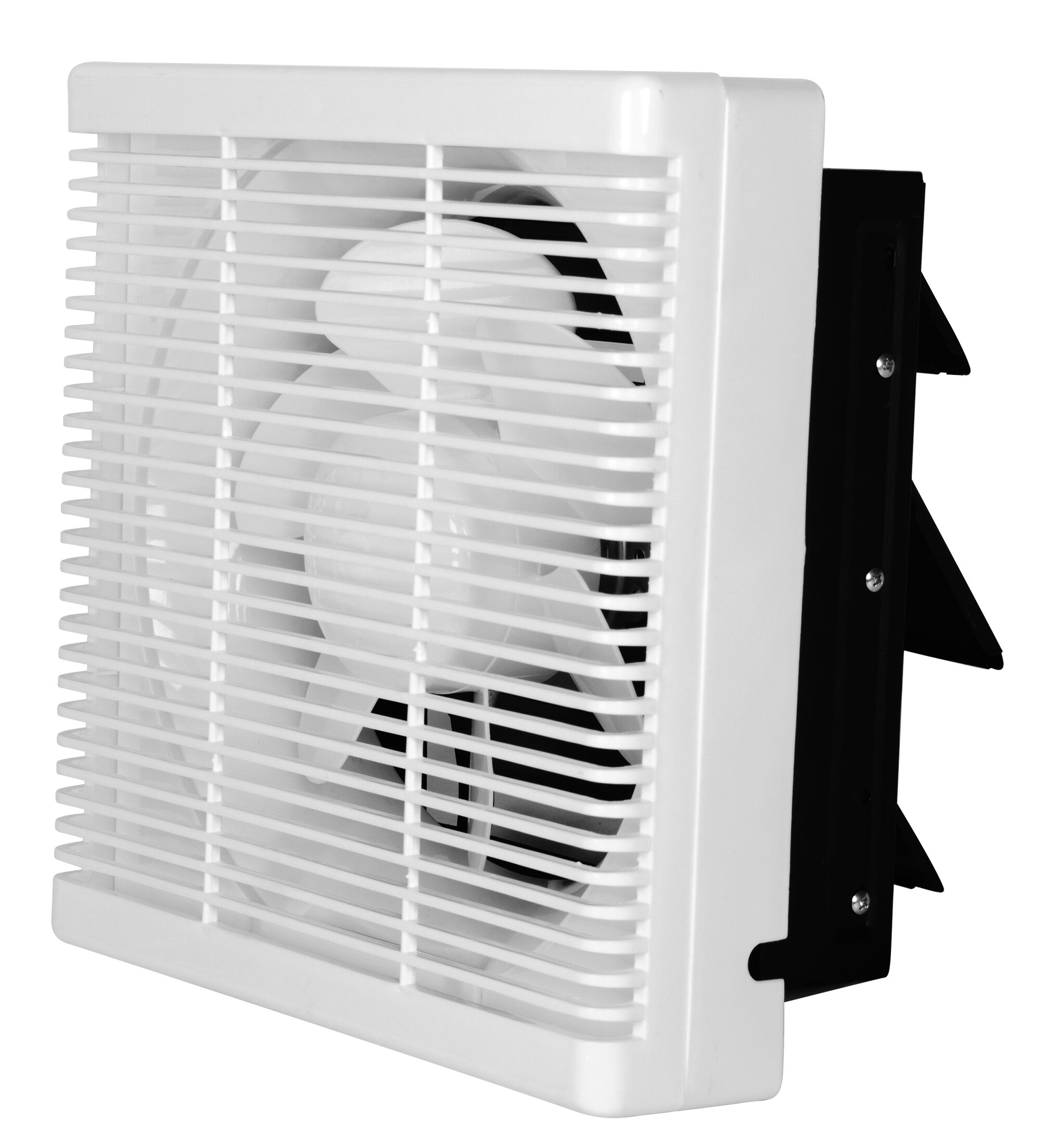
The Use of Ventilation Fans Decreases crop disease Stress by Changing Humidity
Threshold Humidity level to Decrease the Incidence & Growth Rate of Botrytis and Powdery Mildew
The reduction of daily crop disease incidence begins with the management of humidity. At low humidity of 85% DC, Botrytis fungus will not sprout. If it stays at humidity less than 70%, it will significantly reduce growth of mildew. Crop Fans maintain these levels by replacing the humid internal atmosphere with air of low humidity to reduce the length of time the crops’ leaves are humidity. During the time of high humidity, which is around the night, when transpiration is at a rest and dew is seeping, by using the correct operating mode of the fans, it can only take 6-12 hours to ensure the disease will not take hold.
Horizontal airflow (HAF) fans break up pathogen-friendly boundary layers
Horizontal Airflow (HAF) systems break down microclimates where fungal infections thrive. By sustaining canopy-level air movement exceeding 0.5 m/s, HAF fans break down laminar boundary layers around leaves, hindering spores, reducing humidity, and allowing leaves to dry faster. This constant mixing also prevents thermal stratification and evaporation, eliminating areas cool enough to condense and support downy mildiou and other moisture-reliant pathogen growth.
Maximizing the CO₂ Supply and the Efficiency of Gas Exchange
Real-time CO₂ drawdown and prevention in closed greenhouses.
In closed greenhouses, the photosynthesis of the plants can lower the CO₂ to levels that are less than 150 ppm (parts) in the span of only 1 - 2 hours. This is well below the 250 ppm that is required to support the optimal levels of photosynthesis. There are ventilation fans that can counteract this problem by introducing the ambient air, which has around 400 ppm of CO₂. They also provide gas exchange that, prior to these fans, would lead to a yield-limiting deficit. Modern environmental controllers have CO₂ sensors that automatically turn the fans on whenever the CO₂ drops below the set levels,providing the crops CO₂. This is especially important in the cultivation of high density crops, such as tomatoes and lettuce, because the CO₂ depletion can reduce the yields of these crops by as much as 30%.
Thermal efficiency balanced with fresh air exchange with smart ventilation fan scheduling
Fan scheduling can be designed to resolve the tension of CO₂ replenishment and heat loss. With dynamic predictive control algorithms, fans can be scheduled to utilize high-capacity ventilation during the midday and take advantage of the heat of the sun to counter the cooling during the oxygen exchange. Fans can be scheduled for minimal and timed cycles during the night, to retain the thermal energy needed and to help in the CO₂ venting. For the data driven predictive control system, the heating energy use drops by 18 – 22% to maintain the CO₂ in the optimal growth zone of 800 – 1200 ppm.
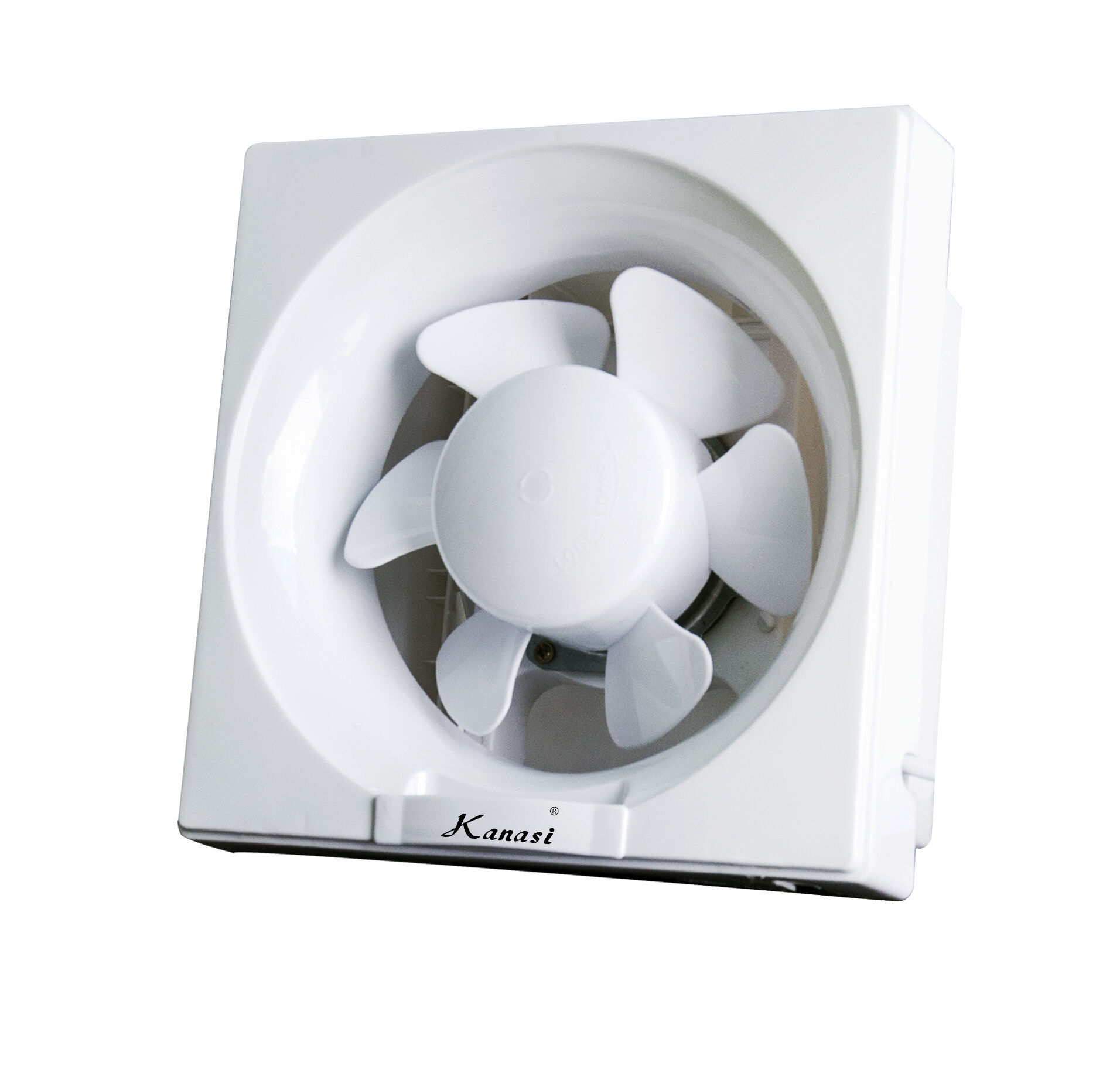
Building Plant Structure and Resilience with Airflow-Induced Mechanical Stress
When the directed airflow of the greenhouse ventilation fans induces airflow, it creates a consistent and gentle mechanical stress. This simulating exposure to the natural wind, physically adaptive responses of the plants are in cell wall reinforcements, stem thickness see in measurements of tube diameters go up 30%, and with improved lignin deposition. All of these positive changes have improved lodging resistance of crops and improved delivery of both water and nutrients. Mechanical conditioning has also improved ^ resistance to secondary stresses, like swings in temperature and/or light fluctuations. With thoughtful fan placement and airflow can be harnessed, where growers are able to form structurally improved plants. Without compromising the stability of the greenhouse microclimate, growers can develop stress resilient crops.
Q: What is the function of ventilation fans in a greenhouse?
Ventilation fans improve the microclimates in a greenhouse by drawing in air from the outside to replace stagnant air. This helps avoid extremes in microclimate temperature and humidity. It also helps to maintain the vapor pressure deficit normative range to avoid stress on plants.
2. How do ventilation fans assist in disease control in greenhouses?
Humidity control in greenhouses, in the right ranges, can help in control and prevention of certain diseases, such as Botrytis and powdery mildew. Horizontal systems of ventilation can even help disrupt the environment where pathogens are likely to thrive by creating a stable microclimate.
3. What are the negative impacts of CO2 depletion on greenhouses?
Ventilation fans keep a consistent supply of CO2 for the photosynthetic demand and maintain the balance in CO2 levels.
4. What is the benefit of mechanical stress from airflow on plants?
Arranged airflow creates a similar effect to mechanical stress of natural wind on plants and is perceived as the right amount of mechanical stress by plants.