
 EN
EN



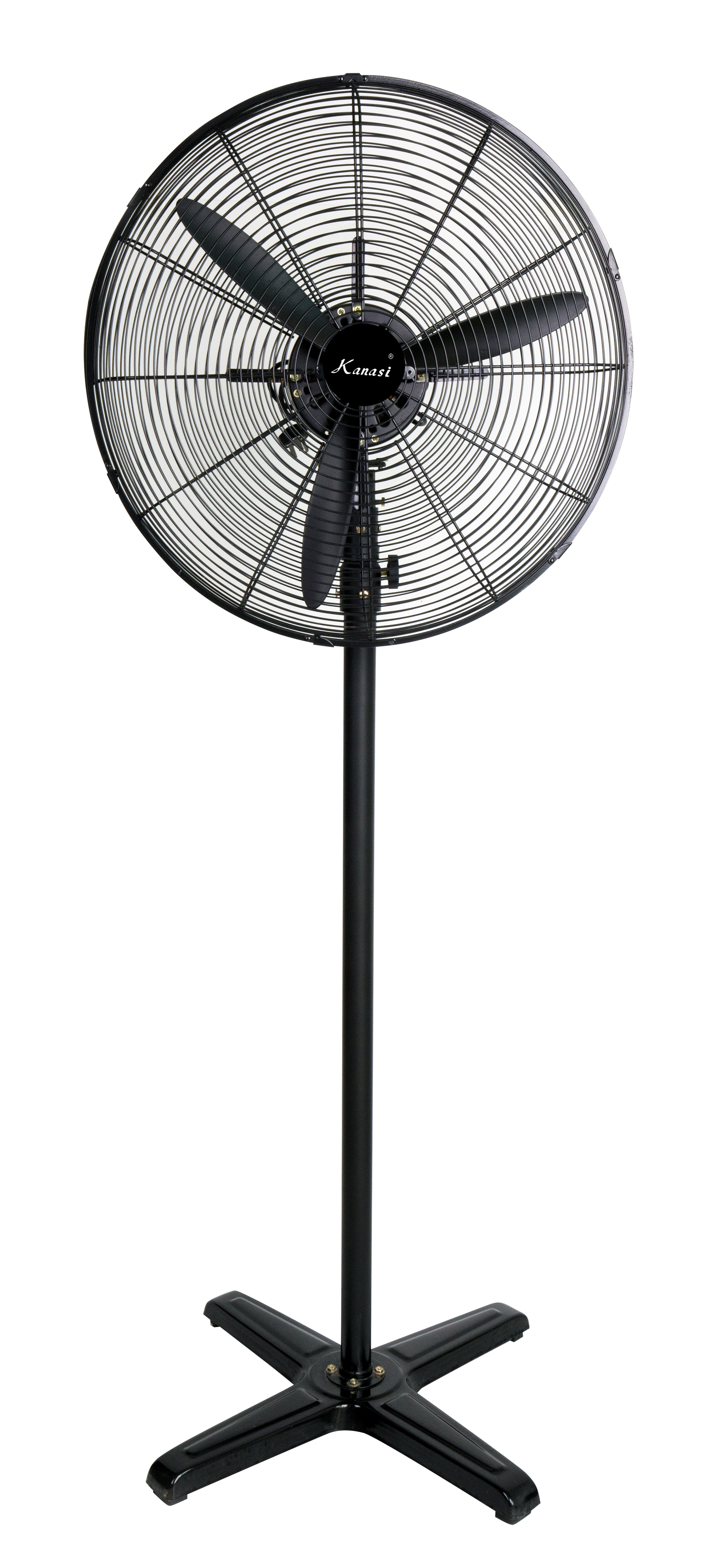
When it comes to the ability to maintain consistent CFM readings despite heat exposure, the metal fans shine the most. The working mechanism of plastic and metal blades works the same until they’re heated, the difference comes in the subsequent response of the blades. At approximately 60 degrees Celsius, plastic begins to warp. After extended periods of exposure to heat, the plastic blades can bend as much as 3 millimeters, which in turn, reduces airflow efficiency by 12 and 18 percent in industrial sectors’ heavy duty settings. Metal blades however, seem to tell a different story. They do not warp in shape or in their aerodynamic properties until the blades are heated to 80 degrees, the plastic expansion is less than the metal, and it is for this reason that they are preferred in high stability applications. The systems that offer the most reliable airflow include the systems that offer the most reliable cooling airflow in server rooms and the ventilations in metal working factories.
Power Efficiency in Ducted HVAC Systems and Static Pressure Capability
In ducted HVAC systems, metal fans handle about 30% more static pressure (approximately 1.5 inches water gauge and better) than their plastic counterparts. When a plastic fan encounters resistance, the blades tend to bend and cause air flow turbulence and all kinds of performance issues. Furthermore, the system consumes 15 to 25% more power than plastic counterparts required at the same RPMs. However, metal blades remain rigid and do not bend, and are designed thermally to provide dampened vibration and optimal airflow. Therefore, even with a high level of intertwining ductwork, metal blades will often operate at greater than 85% efficiency. In a Ponemon Institute research that was published last year, a large commercial space, saving more than $740,000 in energy costs due to a change to metal fans, was reported.
In higher temperature applications, metal fans outlast plastic fans. Metal fans are made out of stainless steel or some aluminum alloys with treated surfaces (meaning they can withstand an operation temperature of up to 80°C without bending or deforming). This is very important for applications in factory ovens or in very tight and crowded server rooms where the operation is needed all the time. That's where plastic components become more of a weak point. W ith plastic components, most of the thermoplastic components begin to warp at about 60°C. Once this occurs it can cause permanent damage to the components and the overall system. Metal impellers are designed to withstand these conditions, and continue operation, providing accurate airflow control and balanced airflow distribution.
Resistance to Humidity, Chemical Exposure, and Mechanical Fatigue in Industrial Environments
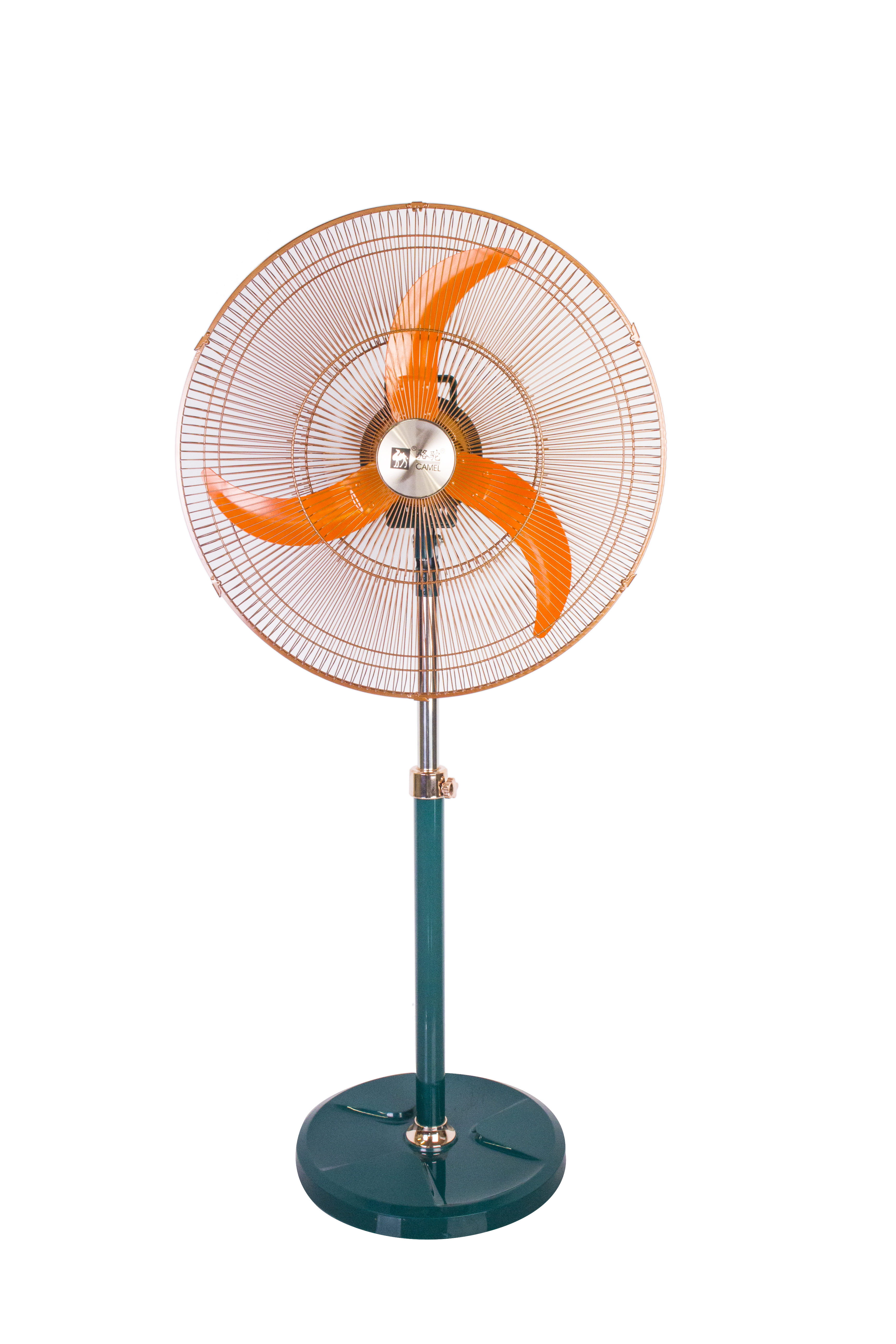
Where corrosion is a constant danger, metals outperform plastics every time. Take for example stainless steel; it performs exceptionally well against salt and acidic fumes that corrode and damage other materials. Even better, Marine-grade aluminum is excellent in withstanding high humidity and coastal environments and does not suffer from unsightly surface erosion. Metal in the long run is more economical. Metals blades retain 90% of their original strength after more than 50,000 revs. However, plastic blades do show micro fracturing of the plastic before this time and this ultimately leads to a greater number of breakdowns. This is crucial for businesses in the transport of hazardous chemicals, vessels made for constant subsea immersion, and for the wastewater treatment plants where equipment is designed to endure tough operating conditions.
Why Metal Fans Operate More Smoothly
The rigidity of a metal fan's structure allows it to limit repetitive and turbulent sounds.
Metal fans generate approximately 8 to 12 decibels lower noise than plastic fans. They also eliminate a whining noise higher than 2,000 RPM.
Aluminum and steel blades are less prone to bending than plastic blades. Additionally, their weight acts as a shock absorber against unwanted frequencies.
Metal fans experience about 40% less shaking than plastic fan setups, meaning less rattling parts, less wear and tear, and reliable sound throughout operation.
Metal fans operate reliably even as temperatures change and materials expand. They also do not create new sounds as a result of this expansion.
Choosing Fan Materials Based on Their Applications: Advantages of Metal Fans
Choosing the right materials determines how long equipment can last, and how reliable it can be under unforgiving operating conditions. Metal fans excel in adverse conditions for machinery. Components made of stainless steel and powder coated aluminum withstand most challenges, including high humidity, corrosive fumes, and gritty and hot (up to 80° C) environments. Such conditions tend to quickly destroy plastic fan units. Last year, the Ponemon Institute published research which shows that about 80% of non-metal industrial exhaust systems had failed within their first two years of operation. In systems that require over four inches of static pressure, or in systems that move more than ten thousand cubic feet per minute, only metal impellers are able to maintain their shape and rotation without causing damaging vibrations.
Plastic fans are still adequate for basic heating and cooling in small buildings. However, if you are thinking long-term, metal construction would be beneficial for extreme weather conditions. Field technicians have witnessed metal fans lasting almost 2x longer than plastic fans, which means less interruptions and repairs in the future.
Application-Specific Material Guidance
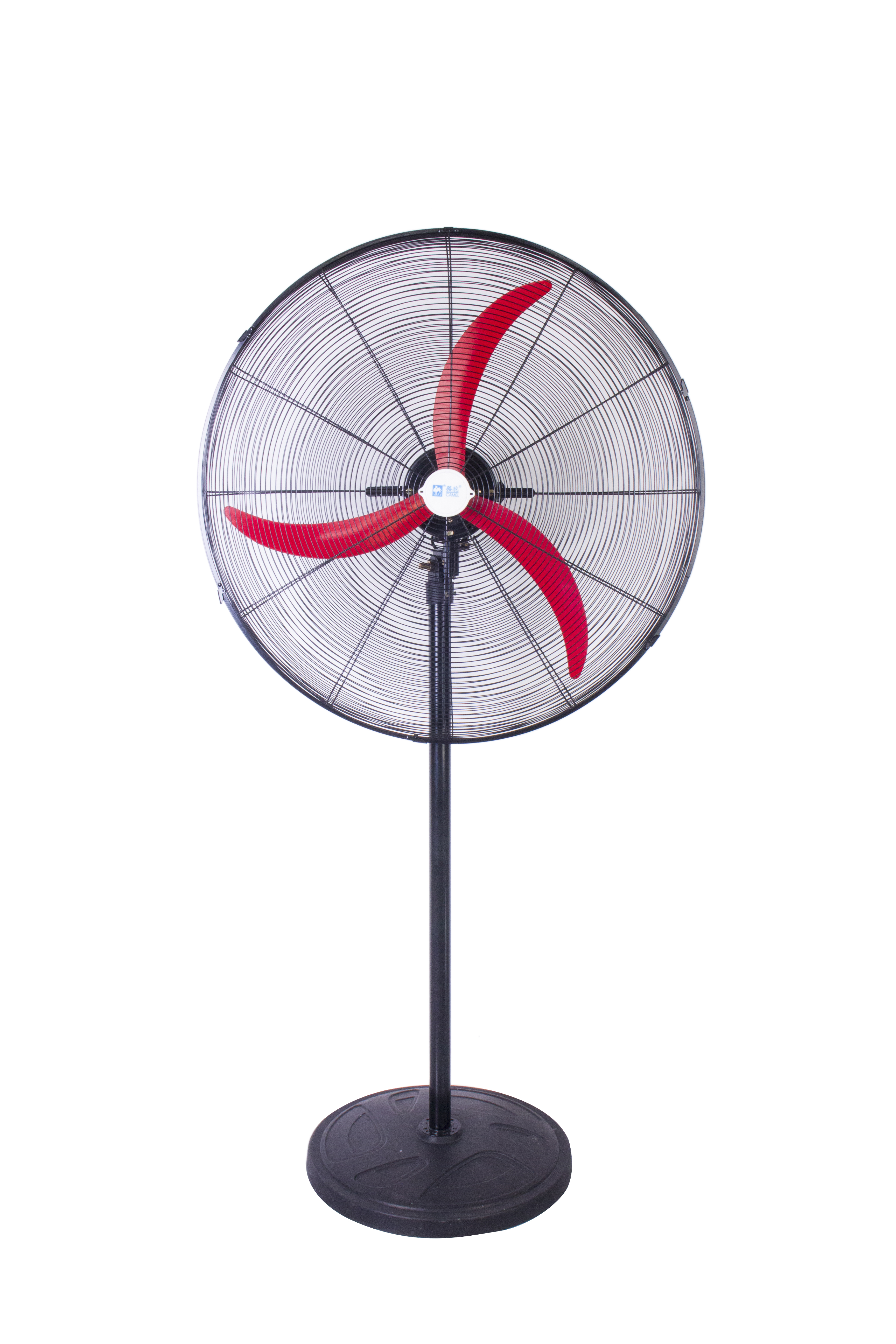
Environment Primary Stressors Recommended Material Avoid
Chemical Processing Acidic vapors, solvents 316 Stainless Steel ABS/PP Plastics
High-Temperature Foundries Heat (70°C+), airborne particulates Powder-coated Aluminum Uncoated Steel
Coastal Food Processing Salt spray, humidity Marine-grade Aluminum Carbon Steel
General Warehouse Ventilation Dust accumulation Galvanized Steel PVC Blades
FAQ
Why are metal fans more efficient at higher temperatures than plastic fans?
Metal fans maintain their shape, whereas plastic fans warp and become less efficient.
What are the power efficiency benefits of metal fans over plastic fans?
Metal fans are more efficient due to being able to handle increased static pressure and improved vibration damping, meaning significant energy savings.
How is the performance of metal fans compared to plastic fans?
Metal fans sound and vibrate less, and at higher RPMs, they operate more smoothly.
In which surroundings are metal fans more beneficial?
Metal fans are more beneficial in extreme, hostile environments such as those with high temperatures and humidity, corrosive elements, or high mechanical stress, as they are more reliable and durable.
Which environments are powder-coated and stainless steel metals, and marine-grade aluminum metal fans recommended for and what are the typical constituent materials of metal fans?
Typical constituent materials of metal fans include stainless steel, marine-grade aluminum, and powder-coated aluminum. Fans made of these materials are recommended in industrial and coastal environments, chemical processing, and high temperature environments.