
 EN
EN



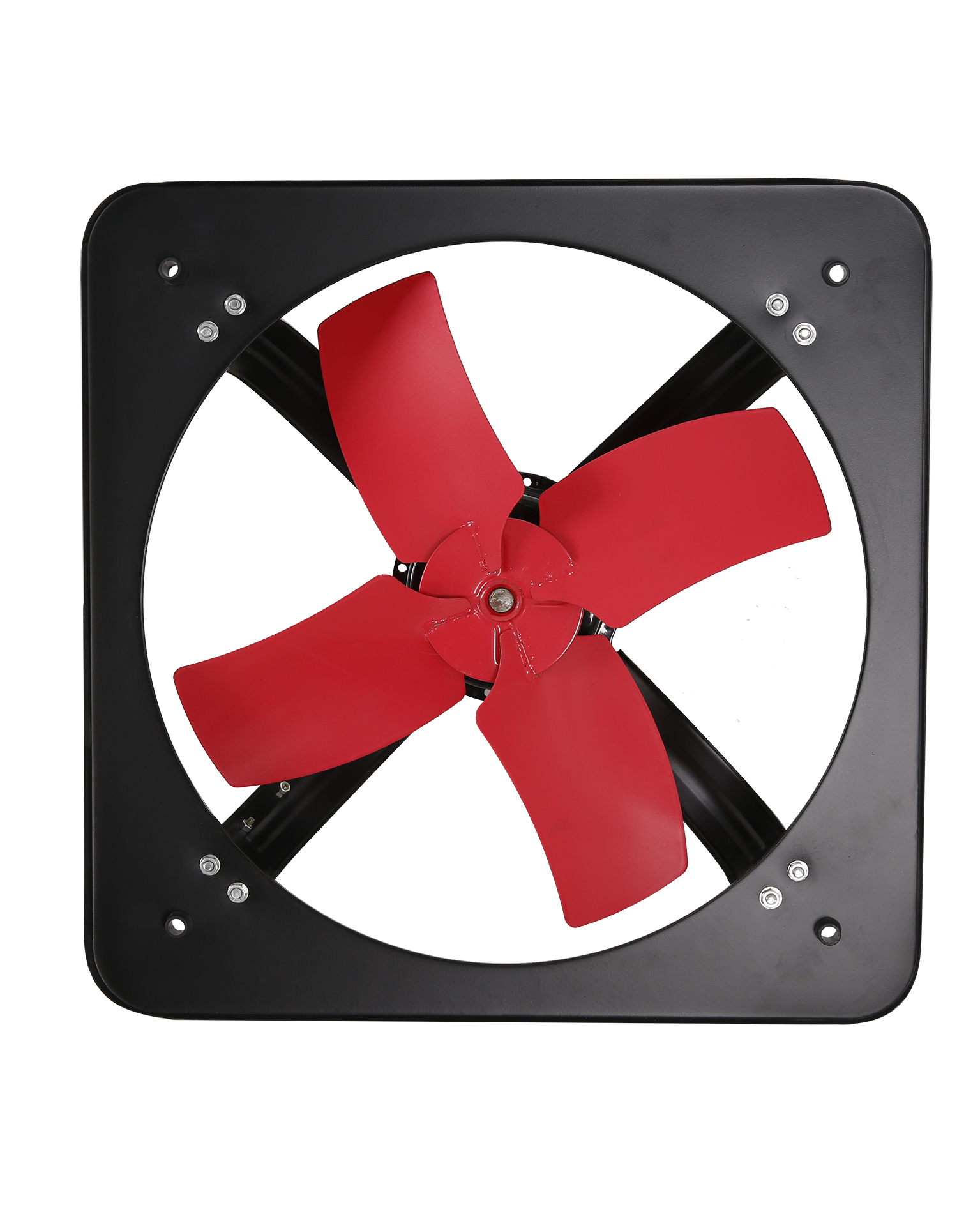
With the use of industrial ventilation fans, the staleness of the workspace can be replaced with the cooler air, improving the temperature by about 8 degrees Celsius or 46 degrees Fahrenheit. Cooling effects have an important impact on the perception of temperature, such that it reaches a level of 104 degrees Fahrenheit with an 80 percent humidity, where a worker might be able to contribute only about a quarter of the expected output. Workers experiencing airflow difference at intervals reduce the probability of heat exhaustion and heat stroke. Biologically, the lower the temperature, the more expected output that can be contributed by the workers, most especially at intervals of 2 to 4 percent with every degree. Another phenomenon to appreciate with ventilation is the control to the moisture level of sweaty air, which is usually predominant in a factory and is a perception layer of heat. Good ventilation is one of the most important direct heat stress workers to ease and most especially in factories with a high level of engine heat.
Air pollutants can remain in the workplace until they have been exhausted. Industrial ventilation standards for high-risk areas set continuous ventilation at 10 to 12 air changes/hour. Facilities that have systems that comply with ASHRAE 62.1 have shown a 37% decline in cases of respiratory illnesses.
Industrial Ventilation Systems Fans Compliance and Regulation of OSHA and ASHRAE 62.1
Industrial ventilation fans are keys to workplace safety and an area of compliance with federal laws. Employers are subject to OSHA regulations to avert dangerous airborne contaminants produced by work processes. Bottom line, if safety regulations are ignored, an establishment is fined up to $15,000. Additionally, the ASHRAE Standard 62.1 specifies the minimum requirement of airborne contaminants to be vented at 8 liters per second per employee. To protect the health and safety of employees, the determination of total air movement with the safe area is crucial. Additionally, in areas of chemical production, state and local laws may exceed federal regulations, mandating compliance. In confined spaces, requirements may include emergency ventilation systems. Plants may be subject to closure imposed by state or local laws and may be liable for violation of compliance. OSHA requires documentation of fan selection and routine operational and maintenance reports readily available for inspection to be in compliance.
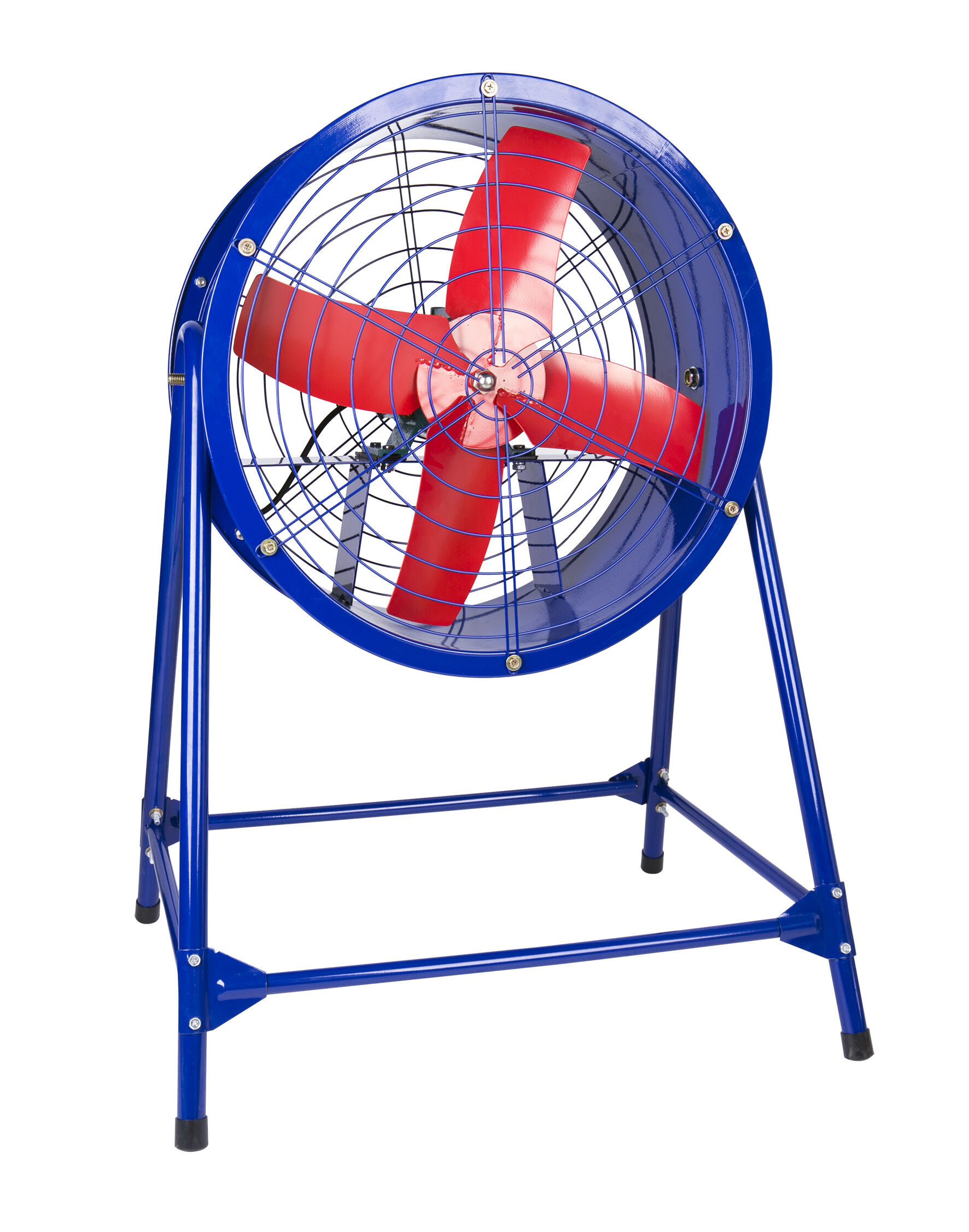
Enhancing Operational Efficiency: The Role of Ventilation Fans in Employee Productivity and Equipment Durability
Energy efficiency of industrial ventilation fans is a function of both human and machine productivity. Correct ventilation decreases heat-related productivity, and protects investments in equipment.
Airflow and Its Impact on Cognitive and Physical Fatigue
Ventilation decreases productivity losses linked to heat and discomfort. Proper airflow prevents heat build-up and fatigue, and no one wants to work in a sauna. Research shows cognitive function decreases by 30% in hot environments. Well designed ventilation systems optimize function to minimize errors. Employees performing monotonous tasks can work longer when ventilation is optimized.
Thermal management of machinery and electrical systems using ventilation
Machines have moving parts that wear and break, and electrical systems that short due to overheating, making the life of the equipment shorter. That's where industrial ventilation fans come in. They remove heat from critical areas. For example, electrical panels, and especially, relays. In hydraulic systems, if the temperature exceeds 140 degrees Fahrenheit, the fluids will break down. Insulations in motor assemblies break down and lose their effectiveness around 185 degrees. Proper airflow can bring down the operating temperature of a system down by 20 to 35 degrees, and the operating life of the parts before they fail, higher. Factories that have improved their ventilation systems have been able to replace equipment 30% less often. Improved ventilation systems also reduce the frequency of unscheduled shutdowns, which saves maintenance costs and protects production schedules.
Choosing Industrial Ventilation Fans Based on Type, Airflow, and Service Requirements
Use Cases and Performance Trade-offs of Axial, Centrifugal, and Belt-Dzive Ventilation Fans
In industrial scenarios, airflow requirements are the main driving factors for selecting fans. Axial fans are ideal where large volumes of air are needed, and high resistance and pressure are not factors. They are popular for warehouses and large manufacturing buildings. They manage large volumes of air, but are limited by high resistance. Centrifugal fans, however, create higher static pressure and provide better performance at the cost of higher energy consumption. These fans are good at fume exhaust and the capture and transport of fine particulates in ductwork. Belt driven fans can provide operators with little agility by adjusting the speed via pulley changes, but belts require maintenance and the bearings are to be lubricated periodically, typically in 3 month cycles. For maintenance, direct drive centrifugal fans are better because there are fewer operational headaches, but they are limited for air flow adjustments.
The real difficulty is in balancing how often something may need maintenance with how flexible it has to be in its operation (including energy costs versus what actual pressure the system needs). Choosing the right combination of blade design, motor specifications, and other components is equally important. For example, in some cases, the incorporation of corrosion resistance becomes critical in chemical processing areas to prevent premature failures and to be in compliance with OSHA ventilation compliance requirements related to the adequate ventilation of the work area.
Frequently Asked Questions (FAQ)
What types of industrial ventilation fans are available?
The different types of industrial ventilation fans include axial, centrifugal, and belt-drive fans. Each of these fans is designed to meet different application needs and requirements.
How does ventilation system operation impact worker productivity?
When employees work in a poorly ventilated environment, it creates discomfort. This is due to the poor control of temperature and poor management of airflow. Heat fatigue is also a result of poor control of temperature. This affects the workers’ cognitive and physical endurance.
Why is regulatory compliance important for ventilation systems?
Regulatory compliance is necessary for a workplace to meet the safety requirements of the air quality and temperature control. This is important to minimize the occupational safety and health hazards and the employer’s legal liability.
What happens with poor ventilation in an industrial setting?
Poor ventilation can cause heat stress, reduced worker productivity, overheating of equipment, and can cause the buildup of dangerous materials. This can cause serious illnesses and equipment malfunctions.