
 EN
EN



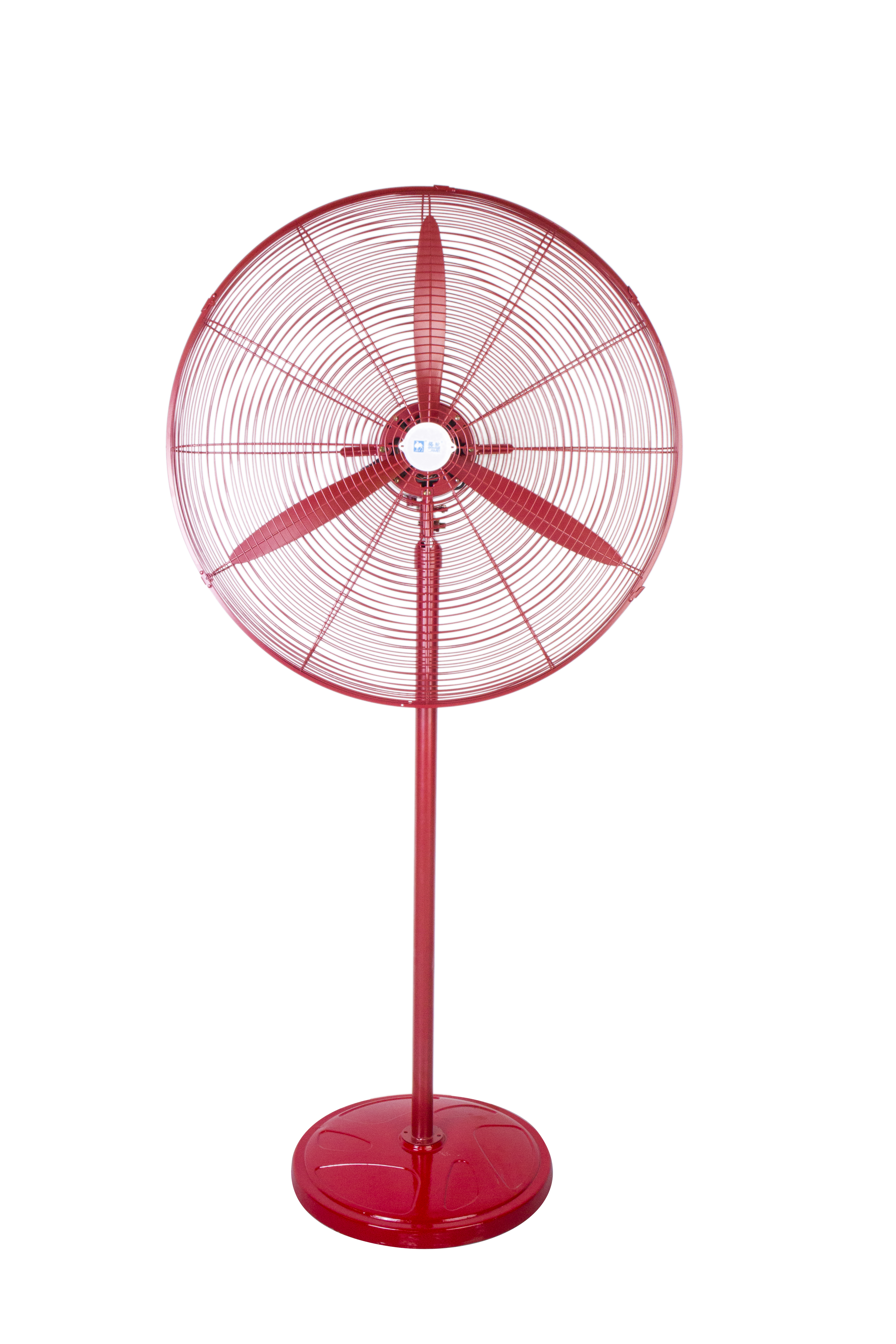
Heavy-Duty Construction and High-CFM Performance for Industrial Spaces
In harsh conditions, industrial floor fans need to be built with robust engineering to withstand the environment and provide great airflow, unlike normal cooling solutions which cannot do this.
Dust, Moisture, and Impact Resistant IP Rated Industrial Enclosures
Industrial enclosures with IP ratings provide excellent protection for the work environment from various threats. Anything rated IP55 or better will keep dust out, and withstand water splashes, making them essential in cleaning or clammy workplaces. Many models even have reinforced steel grids and polycarbonate hit-resistant grids. Food processors use stainless steel because their facilities are constantly impacted by moisture and strong chemicals. Other industries' maintenance teams have noted how durable enclosures last about twice longer than less expensive consumer alternatives. Over time, this has significantly reduced the need for replacements.
High-Torque Motors With Up to 25,000+ CFM in Continuous Operation Deliver Sustained Cooling
When it comes to powerful cooling fans, consider the importance of continuous operation. Their high torque motors are built to consistently blow 25,000 CFM, even 24 hours, 7 days a week, year-round. The industrial grade copper windings keep them from overheating, and the balanced blades and quality bearings minimize vibration, even in large industrial spaces like the automotive plants that rely on these fans to cool down the welding stations, these powerful fans are essential for keeping the air flowing. In addition, these systems consume approximately 30% less electricity than traditional cooling systems. This is because of the way effective air distribution is opposed to air blasting at a single spot. This is why these systems are efficient.
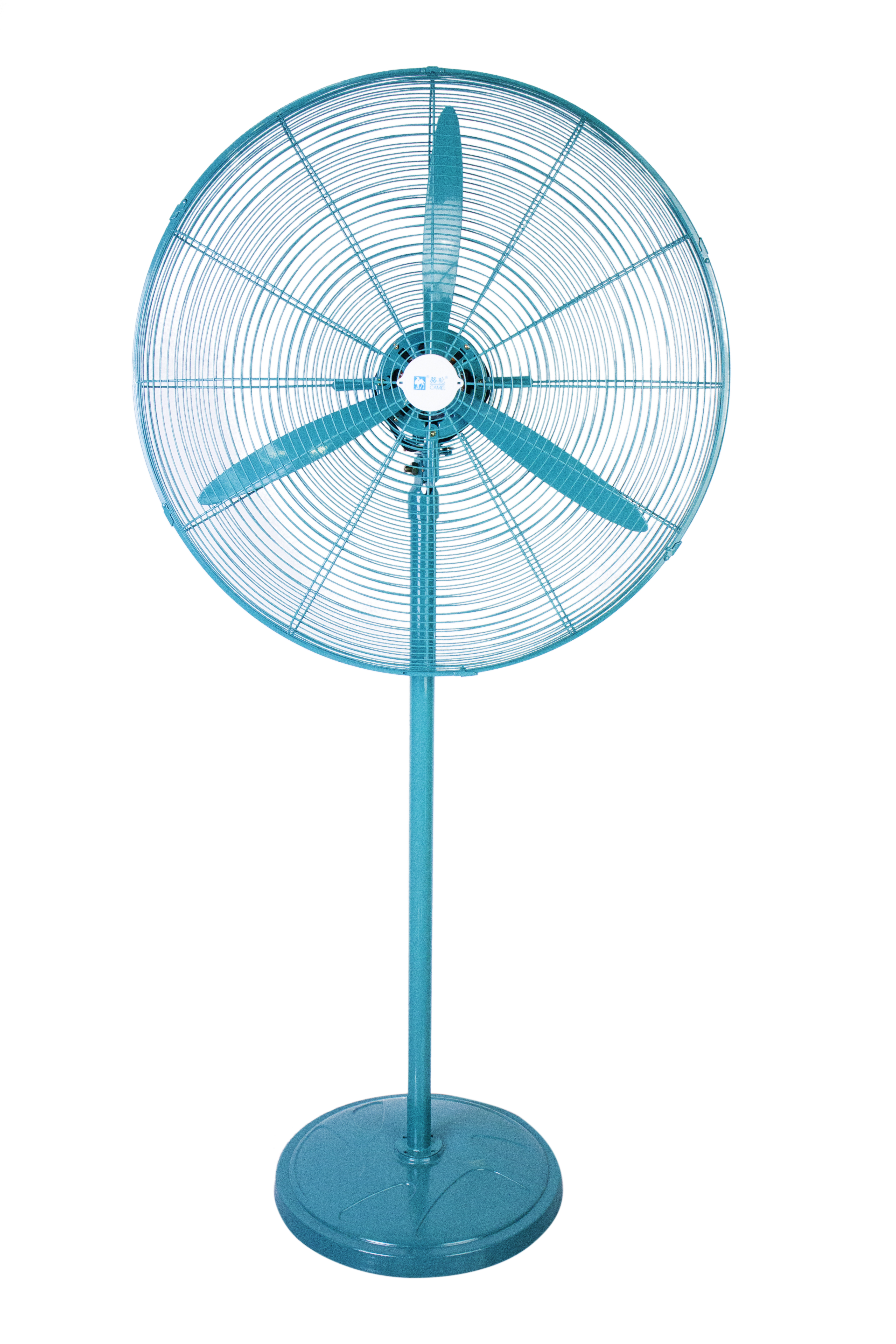
The use of rapid air movement floor fans generates convective cooling to lower worker body temperature. Increased air movement over skin surfaces enhanced the evaporation of sweat which is a cooling effect. This is endorsed by OSHA as part of heat illness management. Research has shown that adequate air movement can lower the perceived temperature in a work environment by 4 to 6 degrees. During high intensity work, targeted air movement is crucial to preventing excessive rises in core body temperatures. This is particularly relevant as Verdantix research from 2023 estimates that businesses lose a staggering 15% of productivity as employees work in physically demanding conditions and exceed safe heat thresholds. Strategically positioned fans will provide a more cost effective solution to creating cooler microenvironments than extensive renovation or ductwork in a given workspace.
Placement: Docks, Shops, Production Lines
With correct placement, industrial floor fans become nuanced thermal mitigation tools:
Loading Docks: Cross-placed units increase air change rate at bay doors and idling vehicles.
Machine Shops: Positioned behind CNC and forging machines to concentrate hot process at source.
Assembly Lines: Positioned along the crew’s height conveyor to keep airspeed constant.
In zone-specific placement of industrial fans, the aim is to provide neutral airflow to potential thermal hazards. It is more effective than facility HVAC systems, which cool a lot of empty space and use a lot of energy.
In industrial applications, floor fans are excellent for dilution ventilation, which is a more cost-effective way to eliminate air contaminants than traditional ducted ventilation systems. By creating a constant airflow pattern, dilution ventilation helps to reduce the volume of welding smoke, wood dust, and chemical vapors to below OSHA permissible exposure limits. Metal fabrication shops have found that placing fans at the grind stations reduces the concentration of respirable particulate matter by more than 50% compared to work areas that are not ventilated. Food processing plants also benefit significantly from this type of ventilation. It helps to control humidity to the ideal range of 40% to 50%, which inhibits bacterial growth, all without the expense of electricity to operate a mechanical dehumidifier.
Moisture and condensation control for floors in cold storage and washdown zones
areas that involve condensation and changing temperatures, including loading docks and changing temperatures from freezers to normal storage, can pose serious slip and fall risks. High sped floor fans can eliminate surface moisture by increasing the surface moisture evaporation rate. In fact, we have seen most moisture evaporation occur with a 15 degree dew point difference. Fans with an IP65 rating are recommended for areas that need to meet USDA standards during cleaning as they can withstand high pressure sprays and avoid creating areas where moisture and bacteria can collect. In multiple facility safety audits, these fans have been shown to reduce slip and fall incidents by an average of 34%. Additionally, there will be a reduced rate of the equipment corrosion that can be caused by standing water, which will reduce the need for replacement of equipment.
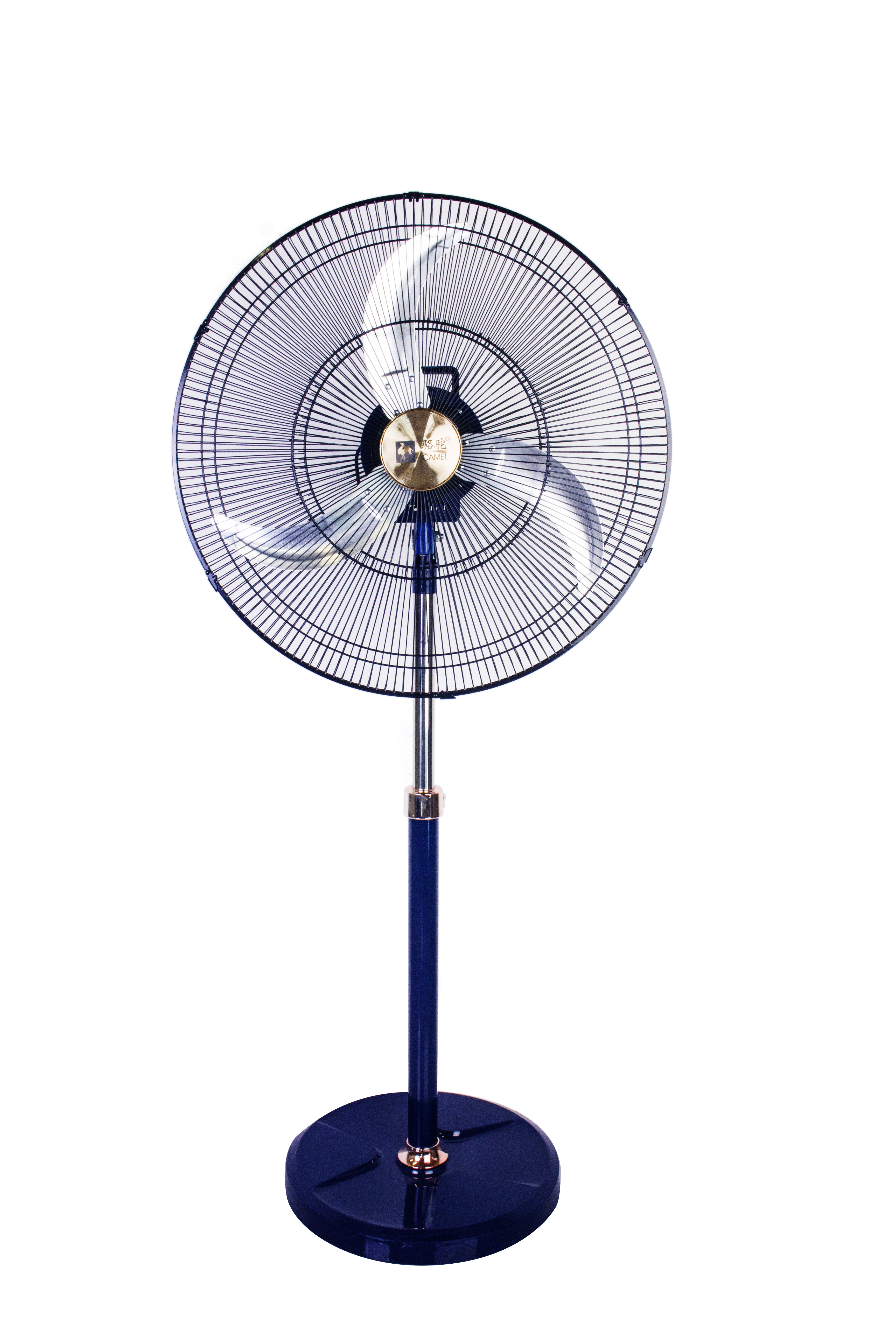
Cost-Saving Benefits of Core Vents and Air Conditioning
A good example of cost savings on energy use and operational flexibility in cooling systems compared with air conditioning systems are floor fans. While air conditioning systems rely on using harmful refrigerants and cool air that is blown into some offices and warm air that is pulled out of others via ductwork, floor fans target cooling at specific potentially hot areas. Fans use almost 90% less energy than air conditioning compressors and still maintain acceptable comfort levels. The cat design of floor fans allows for placement by movement at production shifts. There isn't any need for intervention in ductwork or any additional retrofitting. This design aids in lowering operational cost affecting increasing energy use any an HVA system. Fan systems are F less expensive that HVA systems and hire almost 0 maintenance annually. When operated with HVA systems, fans systems have been shown to save huge amounts of money in cooling annually. In huge factories, businesses have been reported to save tens of thousands of dollars annually switches to fan systems and away from HVA systems. Fans and HVA systems have been blurred by marketing. The difference is fans use refrigerant less energy. Also fans and air conditioning systems have been blurred by marketing. The difference is fans use refrigerants, air conditioning systems use energy coolant systems, and maintain cool air at less than optimal comfort levels.
FAQ
What are the advantages of using industrial floor fans?
The strong, efficient airflow of industrial floor fans helps with thermal comfort, indoor air quality, moisture and condensation control, and energy savings.
In what ways do industrial floor fans lessen the problem of heat stress?
Industrial floor fans provide what is known as convective cooling, and the speed of the airflow from the fans increases the rate of evaporation from the skin and lowers the body temperature of the person.
Are ceiling fans capable of replacing HVAC systems in industrial environments?
Industrial floor fans can be used in place of, or alongside, HVAC systems for energy and operational savings, as well as providing specific directional cooling.
In what ways do floor fans enhance indoor air quality (IAQ)?
In indoor air quality and ventilation systems, fans help mix or circulate air and provide dilution ventilation, continuously circulating air, and promoting the evaporation of moisture, dust, and various other substances in the air, providing a disposal method for an ineffective duct system.