
 EN
EN



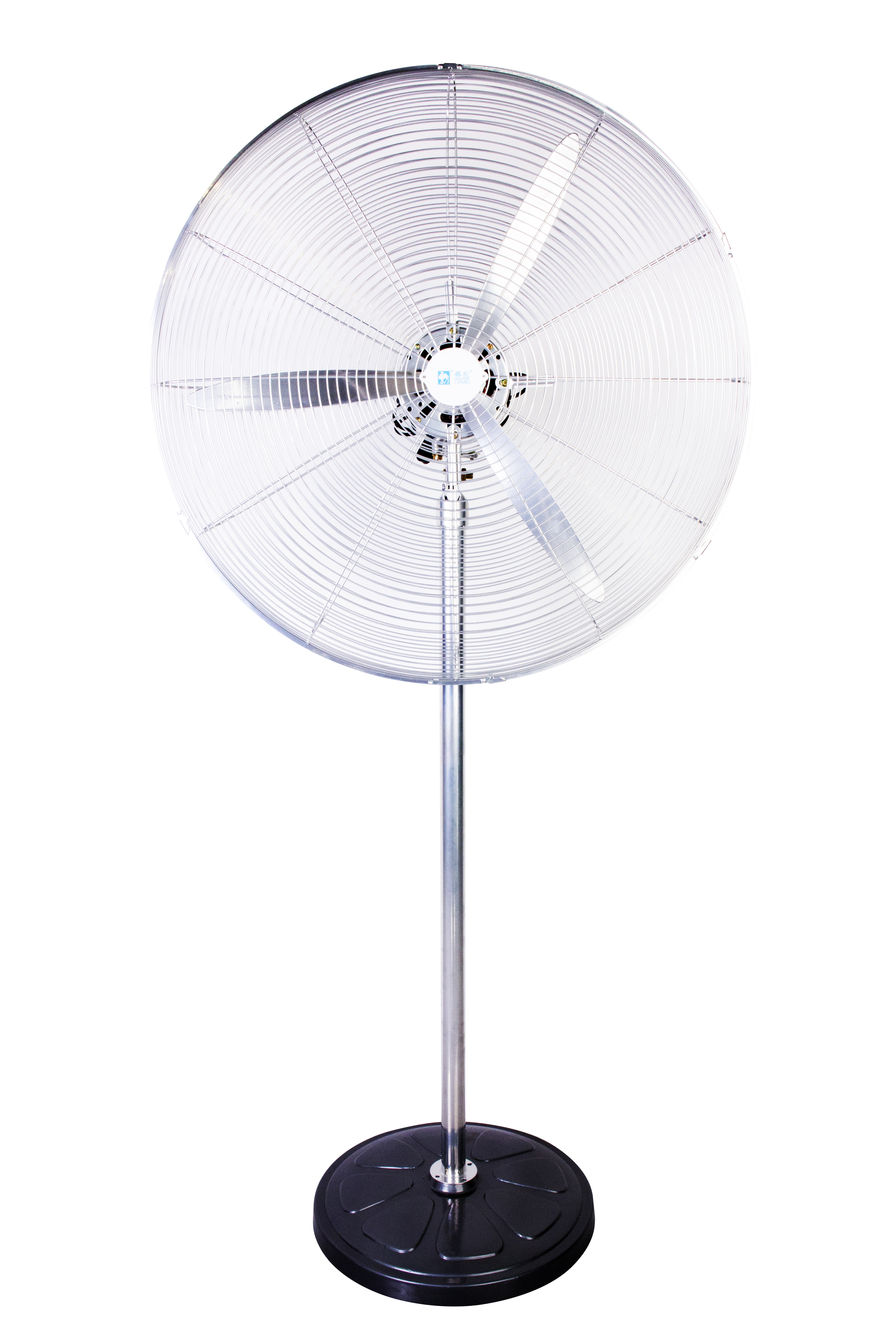
Excellent Structural Compatibility with Metal Construction.
Metal fans have excellent compatibility with steel framed structures. Their design results in little vibration transmission to the primary structure. Because of this, structural fatigue is reduced in warehouses, factories, and distribution centers. Most of today’s mounting systems are designed to integrate with standard metal building components. This results in the potential for significant cost savings (up to 30%) in installation labor when compared to older fan retrofit systems. Newer fans also weigh less, resulting in less load on the support beams of the structure. When paired with insulated metal walls and roofs, the temperature stability inside the building improves. With less stability, the energy consumption of the HVAC systems is reduced. Also, when everything is designed from the start to work together, access to maintenance points is made easier, reducing the need for building envelope disruptions.Structured to Last: Resilient to Corrosive Elements
Aluminum alloys and galvanized steel resist damage caused by chemicals, moisture, and even sunlight. They prevent rust, even in food factory environments, and research suggests that they retain strength after over 5000 hours of continuous saltwater submersion. Metal housing is preferable to plastic housing in virtually every case because they do not become brittle, and they do not crack when subjected to prolonged UV exposure. This is particularly relevant in UV rich environments such as natural-light rich office environments and airplane hangars. The finishes on these materials are free from voids that could trap and harbor stagnant water and become a breeding ground for mold and bacteria, and through experience, we know that such equipment lasts approximately 40% longer than comparable equipment made of composites. This proved to be extremely valuable to continuously operating businesses, as the repair the equipment less often, and the unforeseen breakdowns that caused loss of productivity could occurred as a repair on the equipment were virtually eliminated.
Performance-Driven Climate Control: Heat, Humidity, and Airflow Control
Thermal Redistribution & Active Heat Exhaust in Large Span Structures
Metal fans are great for large commercial buildings with high ceilings. They eliminate trapped heat and help combat the layering effect known as thermal stratification. They are built to withstand temperatures over 140 degrees Fahrenheit in factories and warehouses. These fans increase cooling costs by approximately 30% for open spaced factories and warehouses. They also help keep workers comfortable.
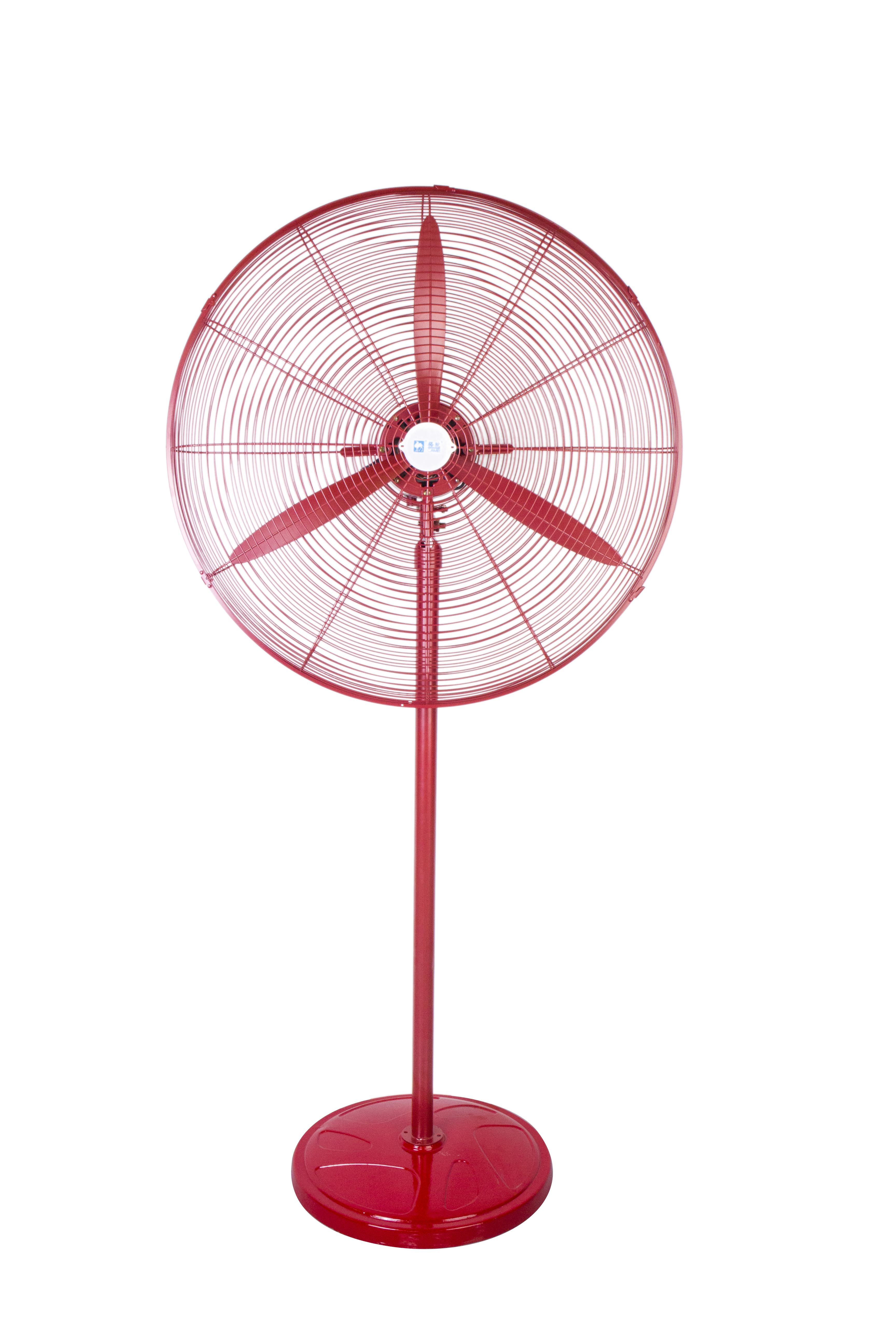
Real World Warehouse Data and Humidity Control
Metal fans are important for controlling humidity in places that operate around the clock. They can prevent moisture from collecting on equipment, which will create rust and mold issues. Studies have shown that the moisture buildup in the presence of metal fans is about 50% less than other proper ventilation solutions. Metal is more smooth than other materials, and therefore, do not harbor bacteria, which will create cleaner airflow and cleaner air. With good metal airflow, stagnant areas of the building will not have humidity levels over 70% RH, which is dangerous to the building and its contents. The electricity consumption of metal fans is also less than that of other, more complicated solutions.
Cost Savings Over Time and Energy Efficiency of Metal Fans
Every industrial metal fan comes with unique possibilities of energy savings. For instance, when combined with a variable speed drive, an industrial metal fan can bring an energy savings of approximately 70% on a manufacturing plant ventilation system. Independent studies have proven that metal fans provide approximately 70% energy savings. Furthermore, the metal build quality of these fans provides 30% - 50% longer service lives than fans with a plastic build quality. This means that there will be less fan replacements and less downtime for maintenance. Speaking of downtime, the lifespan of the fan bearings will be almost doubled when the fan speed is reduced by 20%. This is an area of great savings for maintenance that can be especially quantified when in conjunction with the annual energy savings of approximately $740,000 that can be expected from one of these industrial metal fans. Another area of savings pertains to the cooling load that will be reduced by the reflective surfaces of the metal fans. A unique characteristic of metal fans is that energy consumption is a cubic function of fan speed. This means that if the fan speed is reduced by 10%, the power consumption can be expected to be reduced by approximately 30%.
For metal fans, the dual benefit makes the short term expense an intelligent decision, and from a long term capital perspective, foresighted plant managers are thinking decades rather than quarters.
Health, Safety, and Indoor Air Quality Assurance
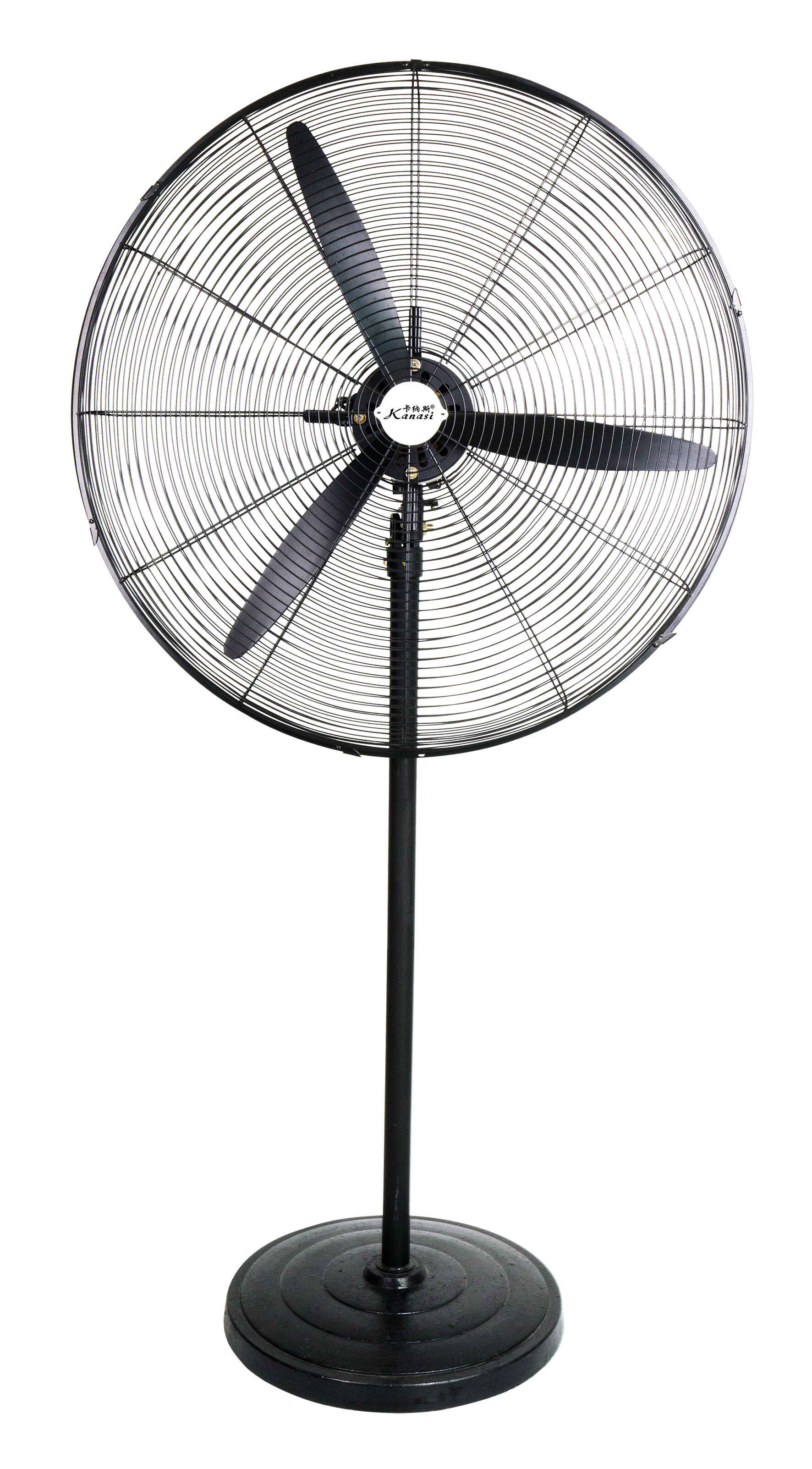
Fighting Sick Building Syndrome with Exhaust and Filtration
The symptoms associated with Sick Building Syndrome are still taking a toll on people working in office spaces and other commercial buildings. People report not only their headaches and breathing issues but also mention feeling tired all day long. This is a prevalent concern in people’s health and ability to get work done. Metal fan systems help tackle this problem by combining designed exhausts with appropriate good filtration. The construction materials used are corrosion resistant, and mechanical fans provide a constant supply of clean air. This assist meeting the problem of ASHRAE Standard 62.1 compliance. When used together with MERV-13 or The construction materials used are corrosion resistant, and mechanical fans provide a constant supply of clean air. This assist meeting the problem of ASHRAE Standard 62.1 compliance. When used together with MERV-13 or better filters, these systems are able to capture 90% of all small particles, and also control the moisture around which mold thrives. Once company researchers report a 40% or more decrease in SBS with the installation of these ventilation systems. This is what researchers consider the reason companies are saving about $20 billion a year due to reduced lost time and increased productivity due to less foggy thinking.
FAQs
Why are metal fans easier to work with in metal buildings?
Metal fans, when used with insulated metal walls and roofs, reduce structural vibrations, make installation easier, and improve thermal efficiency.
What about metal fans makes them reliable?
Because of the use galvanized steel and aluminum, moisture, chemicals, and UV light do not weaken metal fans making them less expensive to maintain.
What do metal fans do to help save energy?
Metal fans use variable speed drives. This allows them to use less energy, prolong their servive life, and reduce operating costs.
Do metal fans help air quality?
Yes, metal fan systems and filtration are integrated and reduce energy use, meet air quality standards, and help reduce Sick Building Syndrome.