
 EN
EN



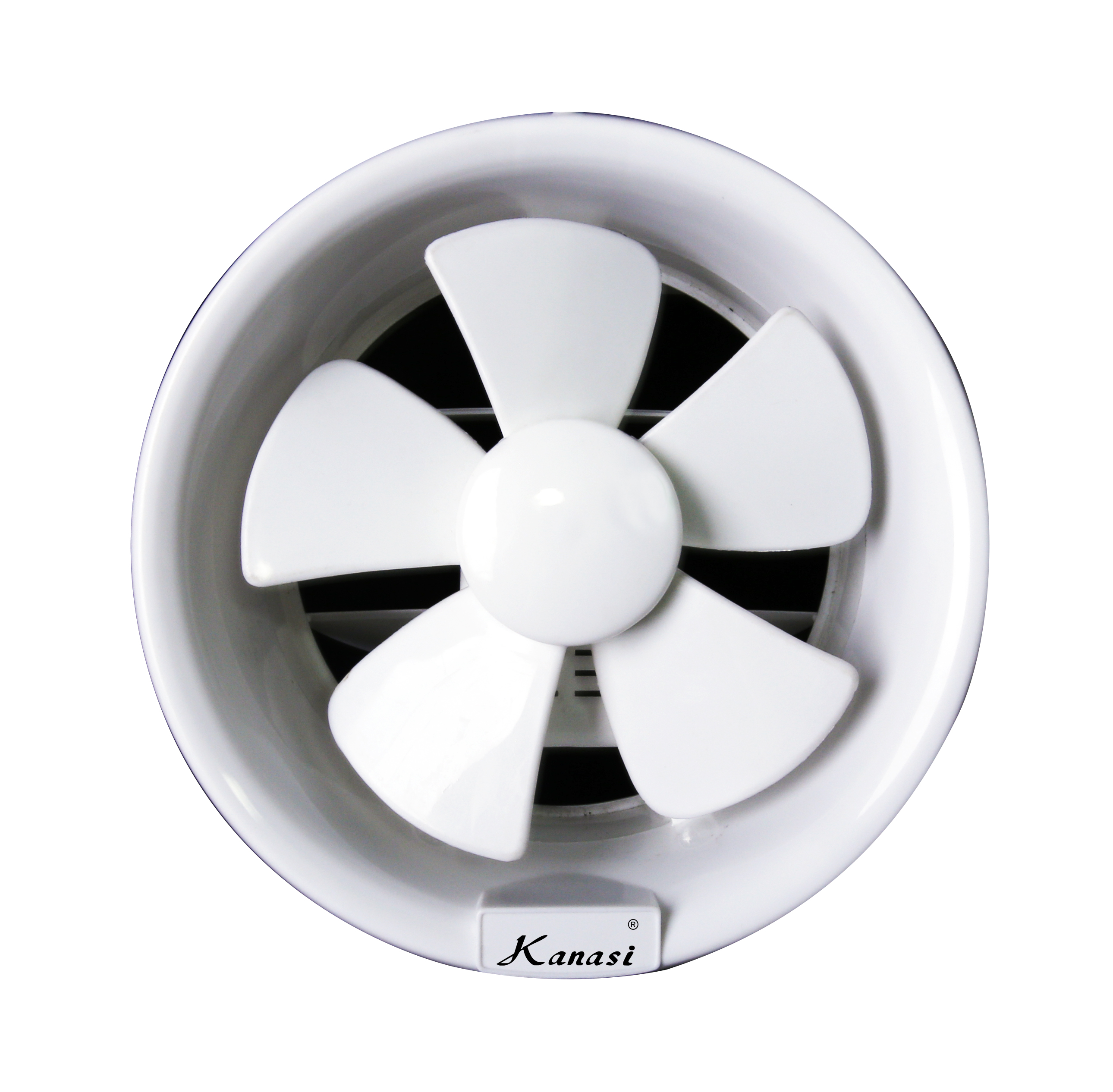
Grease Buildup: Leading Commercial Kitchen Fires
Grease traps are one of the best ways to prevent the buildup of grease traps and fires from spreading to all cooking surfaces and grease builds up on the hoods and duct work. NFPA 96 states that one out of five fires can be attributed to the negligence of properly maintaining and ventilating a fire. High end fire protection exhaust systems offers air speeds greater than 1,500 feet per minute, and provides 75 % greater grease removal than standard protection systems.
These systems eliminate the fuel source that causes grease fires, and fire dept. Reports show how dangerous these fires are in the kitchen.
Gas cooking creates two highly toxic gasses: Carbon monoxide (CO) and nitrogen dioxide (NO₂) and can be potentially hazardous to the people working in the cooking environment. Measurement shows gasses can be as high as 35 parts per million (ppm) which is very dangerous to people working near this gasses. per OSHA guidelines, CO is deemed unsafe at 35 ppm for an 8-hour shift, while nitrogen is deemed unsafe at 5 ppm. Because of the dangers of these gasses, the use of industrial kitchen exhaust fans is of utmost importance. Negative pressure extreme fans remove toxic gasses by capturing them before they can diffuse themselves throughout the kitchen. When designed and installed in accordance with ASHRAE guidelines, commercial kitchen ventilation equipment is capable of removing 95% of cooking air contaminants. When commercial kitchen exhaust systems are designed to produce 20 to 30 air changes per hour, ventilation systems are capable of ensuring safe working conditions by maintaining CO and NO₂ concentrations below 5 ppm. CO and NO₂ concentrations should continually be monitored to establish safe working conditions. CO and NO₂ concentrations should continually be monitored to establish safe working conditions. Continuous removal not only alleviates the immediate hazards to kitchen personnel, but also relieves the hazard of respiratory disease caused by prolonged exposure.
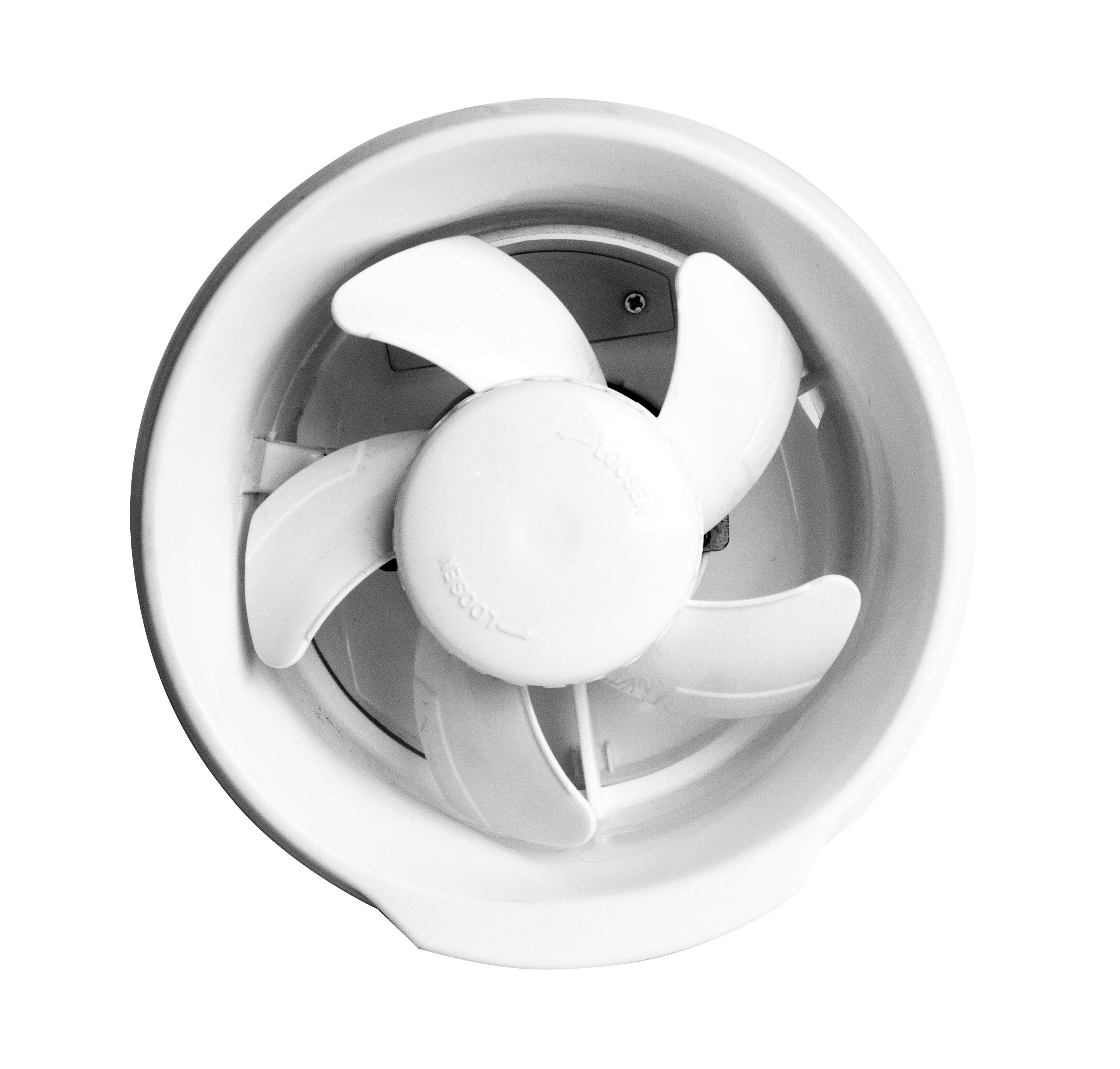
Cooking Fumes and Respiratory Disease: Epidemiological Evidence Linking Unvented Kitchens to Lung Cancer
While employees are working in commercial kitchens, many cancer-producing substances are created and released such as PAHs, acrolein, and formaldehyde - all of which the employees are exposed to. According to a study done and published in a reputable journal, cooks who work in ventilated kitchens are approximately 2.3 times more likely to develop lung cancer than cooks who work in ventilated kitchens. From the long term exposure to these fine particulates (PM2.5) during frying and grilling, eventually two thirds of the exposed workers suffer from chronic bronchitis. These fine particulates are especially dangerous because they infiltrate the air sacs of the lungs and from there they enter the blood stream. Once in, they sustain inflammation which is linked to the accelerated onset of asthma, COPD, and heart disease.
ASHRAE 2023 Findings: Filtration-Integrated Exhaust Fans Reduce VOCs and PM2.5 by Up to 78%
High-performing, multi-stage-filtered exhaust systems provide significant health advancements beyond those offered by typical systems used for standard ventilation. ASHRAE released an astonishing study of 42 commercial kitchens. They have demonstrated that ventilation systems equipped with carbon VOC filters capture ~75 to ~80% of all VOCs. Among VOCs are the human carcinogens formaldehyde and benzene. Even further positive impacts are achieved with the incorporation of HEPA filters. This unique combination of filters captures 98.7% of all PM2.5 particles. This technology will allow clearance of air quality to deteriorate below the World Health Organisation required standard of 15 micrograms per cubic meter in less than 8 minutes after system activation.
Filtration Type VOC Reduction PM2.5 Capture Time to Safe Levels
Basic Mesh 12-18% 20-30% >45 minutes
Activated Carbon 73-78%
HEPA/Carbon Combo 78% 98.7% ≈8 minutes
Data reflects ASHRAE 2023 commercial kitchen field tests
By modifying these systems, commercial kitchens' exhaust systems move from being passive, simple devices that move air, to being active health protection devices—counteracting some of the most concerning emissions that affect the cardiopulmonary health and occupational disease(s).Key Mandates: Velocity Standards, Cleaning Intervals, and Fan Sizing Regulations
In order to meet compliance mandates, there are three critical factors that come into play, and these factors are integrated with NFPA 96, the FDA Food Code section 1-202.11, and almost every local health department. Let’s take the example of duct cleaning. If the establishment serves a lot of cooked food, like a hotel banquet kitchen, duct cleaning must occur quarterly. For other businesses that have regular cooking activities, duct cleaning can be done every six months. These rules exist because there is a serious risk of a grease fire that can burn down the whole establishment. Next, we have capture velocity, which means the rate of airflow through kitchen exhaust hoods. The airflow velocity that is to be maintained at the duct openings is between 100-150 ft/min. However, for charbroiler fronts, the recommended rate is 150 FPM. Finally, we have exhaust fan requirements. In terms of ducted hoods, kitchen exhaust fans should be able to handle an airflow rate of 150-200 cfm per foot of hood length.
This number changes based on kitchen temperature and how deep the hood is installed. New York has specific temperature regulations. New York penalizes restaurants for rule breaking with fines of up to ten thousand dollars and issue based shutdowns until all problems are fixed. When all the regulations are followed, all the regulatory bodies concerning fire safety, food safety, and indoor air safety are satisfied.
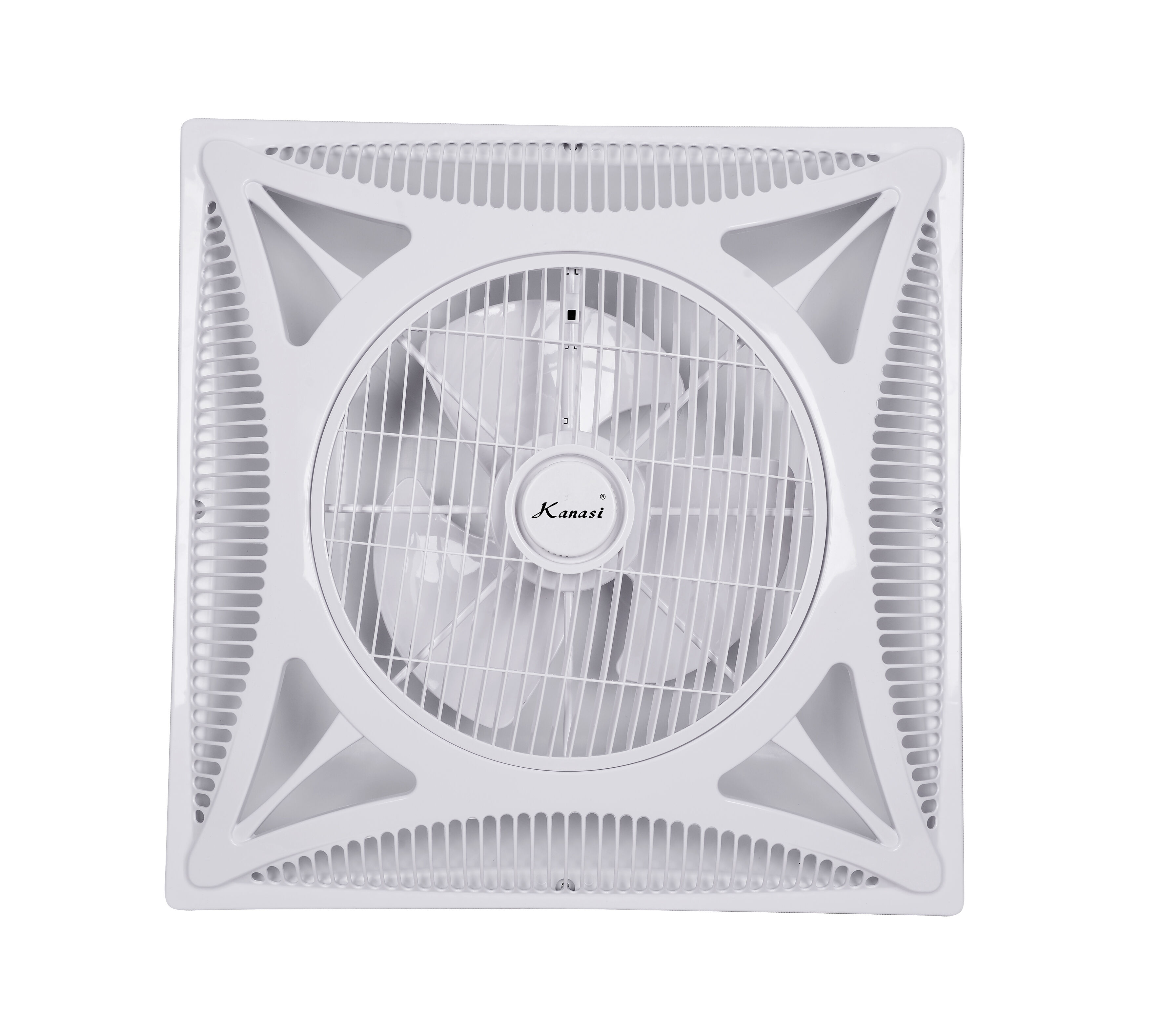
Controlling Moisture, Odor, and Heat: Staff Comfort and Efficiency
Exhaust systems that perform well can increase the efficiency of an operating system, rather than just meet safety requirements. Excessive moisture, due to washing dishes, can cause slip and falls, the risk of which can increase by as much as 40%. Moisture can also cause corrosion of electrical components and stainless steel parts. Cooking odors can have long-term effects on employee morale and concentration, especially after long uninterrupted hours of work. Heat from grills, and fryers can often exceed the heat that OSHA mandates for working conditions. Exhaust systems reduce heat stress by 25 to 30%. They also make surfaces dryer and help to keep bad odors to a minimum. Employees remain alert and work longer contributing to the overall efficiency of the establishment even during peak hours.
FAQ Section
What does NFPA96 say is the main cause of fires in a commercial kitchen?
According to NFPA96, the primary cause of fires in commercial kitchens is grease fires, as a result of the ignition of grease particles.
What is the function of exhaust fans in relation to harmful gases such as carbon monoxide (CO), and nitrogen dioxide (NO₂)?
Exhaust fans pull and remove harmful gas to prevent them from spreading throughout the kitchen.
How does the overall ventilation of a kitchen lowers the risk of lung disease among kitchen workers?
Ventilation improves the overall air quality in the kitchen by lowering the concentration of harmful cancerous particles. The in turn aid in the inhibitory of respiratory disease.
What do exhaust fans with filtration do to help air quality?
Exhaust fans with filtration help to increase the air quality by reducing the VOCs and PM2.5 which in turn help reduce the risk of a variety of diseases.