
 EN
EN



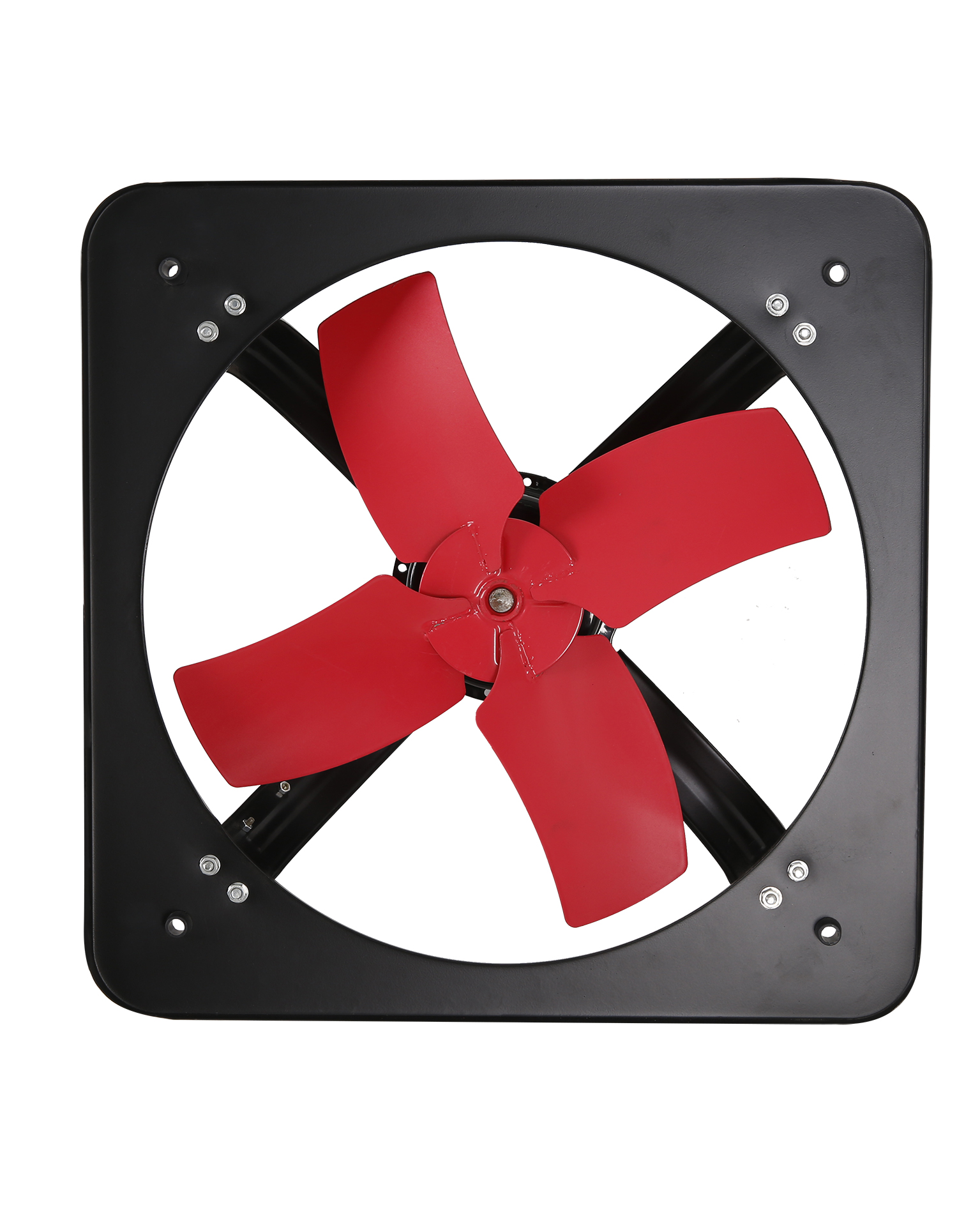
How Ventilation Fans Help with Allergens: Air Flow, Control of Humidity, and Source Removal
Not Filtering, But Dilution: Why Air Exchange Helps Allergens
Ventilation fans cut down on airborne allergens by doing air exchange. These systems lower indoor airborne allergens by 30–50%. They pretty much just suck light allergens out of your indoor air, like, pollen and dander. Yes, filters are good, but they do require quite a bit of maintenance. Filters get dirty, and when they do, the performance of the entire system is going to drop. Ventilation systems operate on the dilution principle. As long as air is moving through the space, and everything is balanced, dilution systems will keep working behind the scenes.
How Exhaust Fans Reduce Dust Mites and Mold Growth
Correctly positioned exhaust ventilation fans maintain humidity; therefore limiting biological allergens in the air. Keeping relative humidity below 50% makes mold and dust mites suffer. Dust mites are the main cause of allergy and asthma symptoms. If humidity is kept below 50% dust mites won’t live there and will increase in number over night if humidity is above 60%. Kitchen and bathroom fans are extremely important in reducing mold and dust. They remove the warm air where dust mites live. National Institute of Health sponsored research Mold and dust mites Der p 1 allergen less than 20% in humidity of 45% to 50%. Dust mites spread mold spores from area of the house where there is water. Ventilation is important to all home owners who are looking to improve the air quality and work to reduce allergy symptoms.
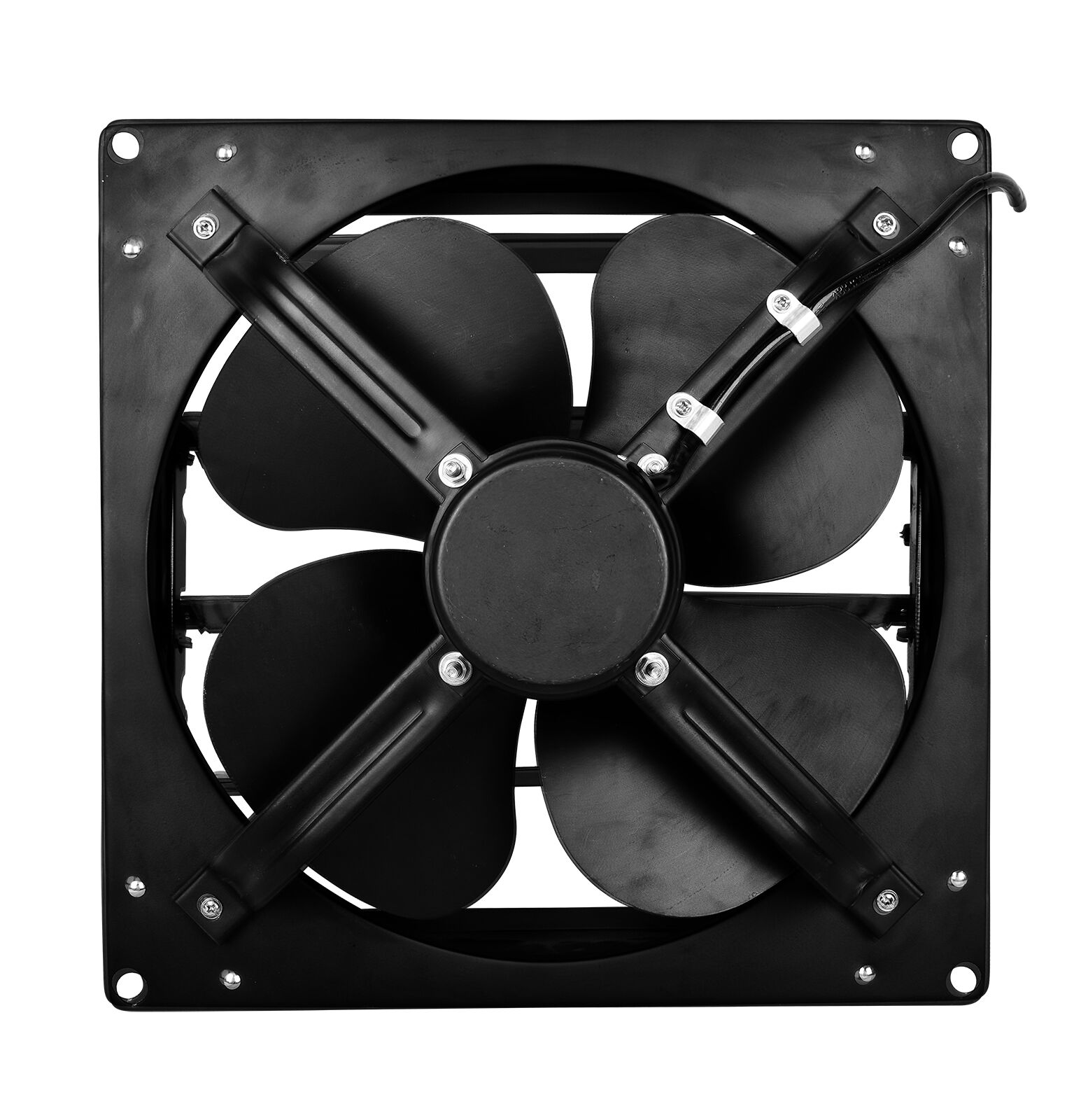
Ventilation Fans and Dust Control: Resuspension and Encouraging Settling of Particles
Airflow Principles: Settled Dust Resuspension Velocity
Proper ventilation reduces the amount of allergens in dust in two primary ways: it removes moisture and it manages airflow within the space. Research into dust movement has provided some interesting results. Dust settles and remains stationary on surfaces until the velocity of airflow in the space exceeds ~0.2 m/s. Below this velocity threshold dust remains stationary, however, above this threshold, dust is resuspended and becomes airborne where they can be inhaled. The goal of ventilation is to create conditions whereby dust that is heavier than the threshold is allowed to fall and be captured in the dust collection system, while the allergens that are lighter are transported to the collection system. If the relative humidity is < 50% the environment is maintained, dust is prevented from accumulating on surfaces and suspended dust. Controlled studies have demonstrated that this light dust strategy can be applied effectively to reduce the quantity of inhalable dust in well-managed buildings by approximately one-third.
Real-World Effectiveness Against Major Allergens: Mold, Dust Mites, Pet Dander, Pollen, Mites, and Mold
Main Evidence For Mold, Dewan et al. 2022 Data Der p 1 Reduction and RH < 50%
Good home ventilation can manage mold and dust mites, which is primarily due to their ability to control humidity in the home. NIH research outlines that keeping indoor relative humidity below 50% is one of the best ways to prevent dust mite infestations and their allergenic proteins. Studies published last year in the journal Indoor Air found that houses with continuous exhaust ventilation had 60%-80% fewer mold spores than homes without continuous ventilation. Less moisture builds up behind walls, ceilings and in the heating and cooling systems. This is because moisture is less than in areas of the house that have been continuously ventilated.
Limited Control of Pet Dander and Pollen: The Role of Ventilation Fans without Filtration or Source Control
Simply running ventilation systems isn't enough to control pet dander and pollen. Yes, it can remove some suspended dust particles, but it also stirs up dander that might otherwise be settled. It also doesn't do much for pollen that can easily get into the building from uncontrolled windows and doors. Last year a study was published in the Journal of Allergy & Clinical Immunology that showed the effectiveness of ventilation in controlling airborne dander is between 15 and 20 percent. For real control of these allergens, fans will need to be supplemented with other strategies.
MERV 13+ filtration capturing submicron particles
Source control methods such as pet-free bedrooms
Sealed entrances and pollen barrier window screens
Selecting the Right Ventilation Fan: Exhaust vs. ERV Systems in Allergy-Sensitive Spaces
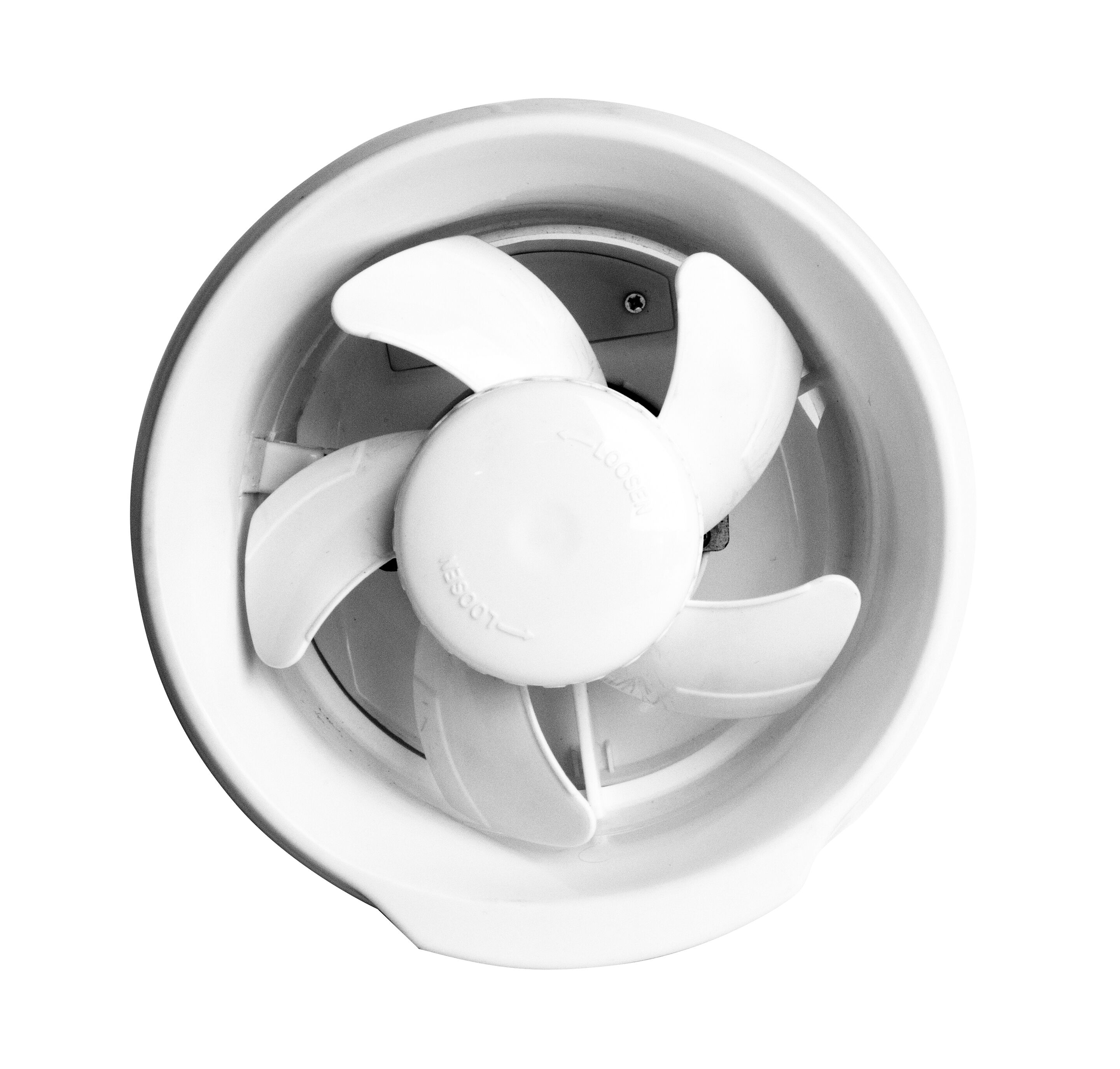
In allergy-prone spaces, the choice of ventilation system depends on the type of climate and the predominant allergens. In moist climates, where mold and dust mites are the main concerns, simple exhaust fans are effective in quickly reducing indoor moisture, so they are a good option. These systems are also low cost and keep relative humidity below 50%, which is the level the National Institutes of Health states is necessary for effective suppression of most allergens.
Energy Recovery Ventilators (ERVs) transfer both heat and moisture in and out with the fresh and stale air flow streams. That contributes to more consistent indoor humidity levels year-round. It is critical for seasonal and humid environments. Standard exhaust-only systems only extract air and do not replace it, which can contribute to moisture intrusion from the outside. Studies show that the use of ERVs in dwellings and workplaces results in 30 to 40 percent lower allergen counts compared to exhaust-only systems and exhaust ventilation when humidity is high. It is also noteworthy that ventilated spaces can become too dry with certain ERV systems which is not the case with standard exhaust systems, especially in arid climates.
All systems should also include MERV 13+ filtration to effectively remove dander and pollen from the air, complete the ventilation trifecta, and address humidity and particles.
Considerations:
Exhaust Fans: Best for the driest and most simple climates (moderate); directly lower humidity to below 50% RH.
ERV Systems: Best for humid and variable climates; conserve energy and moisture.
Hybrid Approach: Combine either system with separate dehumidifiers or HEPA filters if pollen/dander are present.
FAQ:
What role do ventilation fans play with allergy relief? Ventilation fans work on the principle of continuously replacing the indoor environment with outdoor air, thereby reducing the concentration of allergens in the air. They are also great at controlling indoor humidity, which is critical to stopping the growth of allergens like mold or dust mites.
Can ventilation fans clear the air of all types of allergens? No. When allergens include mold or dust mites, ventilation fans work well, but when the allergens include pet dander or pollen, additional interventions such as air filtration or source control are needed.
What’s the difference between an exhaust fan and an ERV system? An exhaust fan is great at quickly removing indoor moisture, which is great for dry climates. An Energy Recovery Ventilator (ERV) is better at controlling humidity in a balanced way throughout the year which is advantageous for humid or varying climate.
What is the effectiveness of ventilation systems on pet dander? By itself the ventilation system has only a small effect, but when used with MERV 13+ filtration, pet dander source control, and strategic sealing of pet dander entry points, the ventilation system is much more effective.
Table of Contents
- How Ventilation Fans Help with Allergens: Air Flow, Control of Humidity, and Source Removal
- Airflow Principles: Settled Dust Resuspension Velocity
- Limited Control of Pet Dander and Pollen: The Role of Ventilation Fans without Filtration or Source Control
- Selecting the Right Ventilation Fan: Exhaust vs. ERV Systems in Allergy-Sensitive Spaces
- Considerations:
- FAQ: