
 EN
EN



Pedestal Fans and Cooled Large Rooms
Height, oscillation and CFM
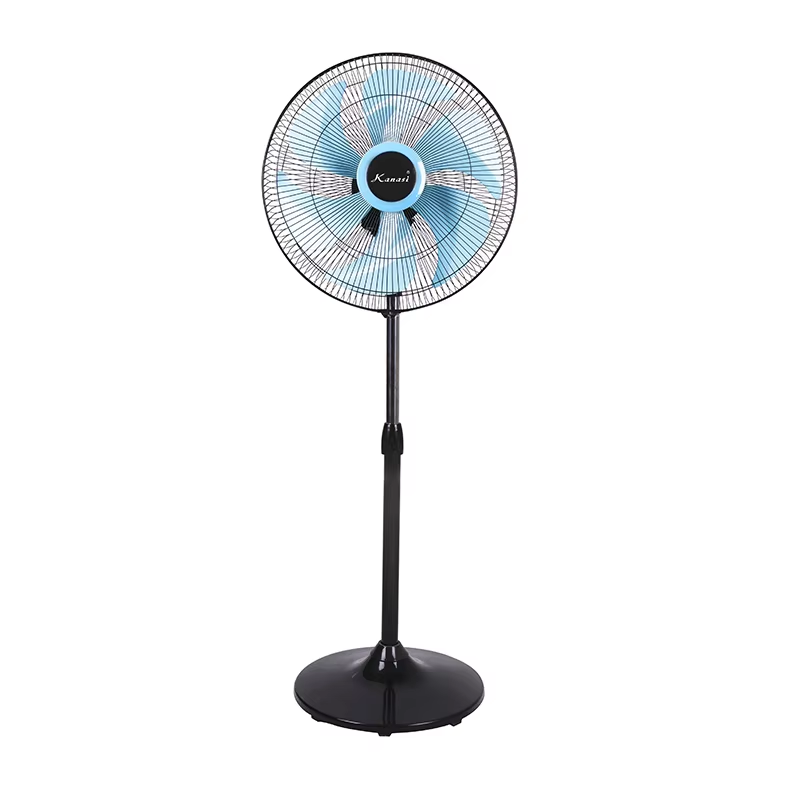
Three elements combining all the powerful attributes of a pedestal fan allow it to effectively cool large areas. These attributes begin with the fans adjustable height. A pedestal fan can be adjusted to heights of anywhere between 30 to 50 inches. This height allows the fan to sit above most obstructions and above most people’s heads. This allows the fan to effectively direct air toward any seated or standing individuals near the fan. This height isn’t the only adjustable feature of the fan. Most pedestal fans also feature a wide oscillation wheel that can cover a full 180 degrees. This wide angle oscillation can provide air coverage to the entire area of effect and can eliminate any hot spots where air is not circulating. Pedestal fans also prominently feature an impressive CFM. CFM, short for cubic feet per minute, is a measurement of how many cubic feet of air a fan can move in a minute. A fan with more than 4000 CFM can completely change the air in a 500 square foot room in only 10 minutes. When all of these are combined, a pedestal fan can provide all the circulation of air that is necessary in an area. In large areas where we spend most of our time, like warehouses, because of these fans and their attributes air temperature can feel 40% cooler than with regular fixed fans.
The way people feel cooler comes from a physical reaction with the sweat on the skin combined with a pedastal fan. No change in temperature occurs naturally in a space. Instead, a fan breathes air into the space swiftly, making the sweat on the skin evaporate in a quick manner, makin the physical reaction far more effective in the region. The quicker the air flows, the more efficient the sweat begins to be evaporated causing people to feel cooler. There is a wind-chill type of effect that comes from a barrier of air. The evaporative cooling effect can have temperatures that feel as though they have decreased by more than 8 degrees. Ths effect is stan 55 in the ASHRAE. Comfort is a varying evocation that depends from surrounding to surrounding. The temperature that a person feels is heavily dependent on the speed of air movement and the amount of skin that is available to the air. The optimum movement is approximately 2.5 miles per hour. It is preferable and efficient for the air movement to be directed rather than total. There are even more shelters that are affected by air placement like a hot ceiling and a cold floor. ththe the thermostats without The workers feel the effect of the entire building being 4 degrees cooler. Without altering the Murphy and changing the cooling system.
Best Placement of Pedestal Fans For Optimal Airflow
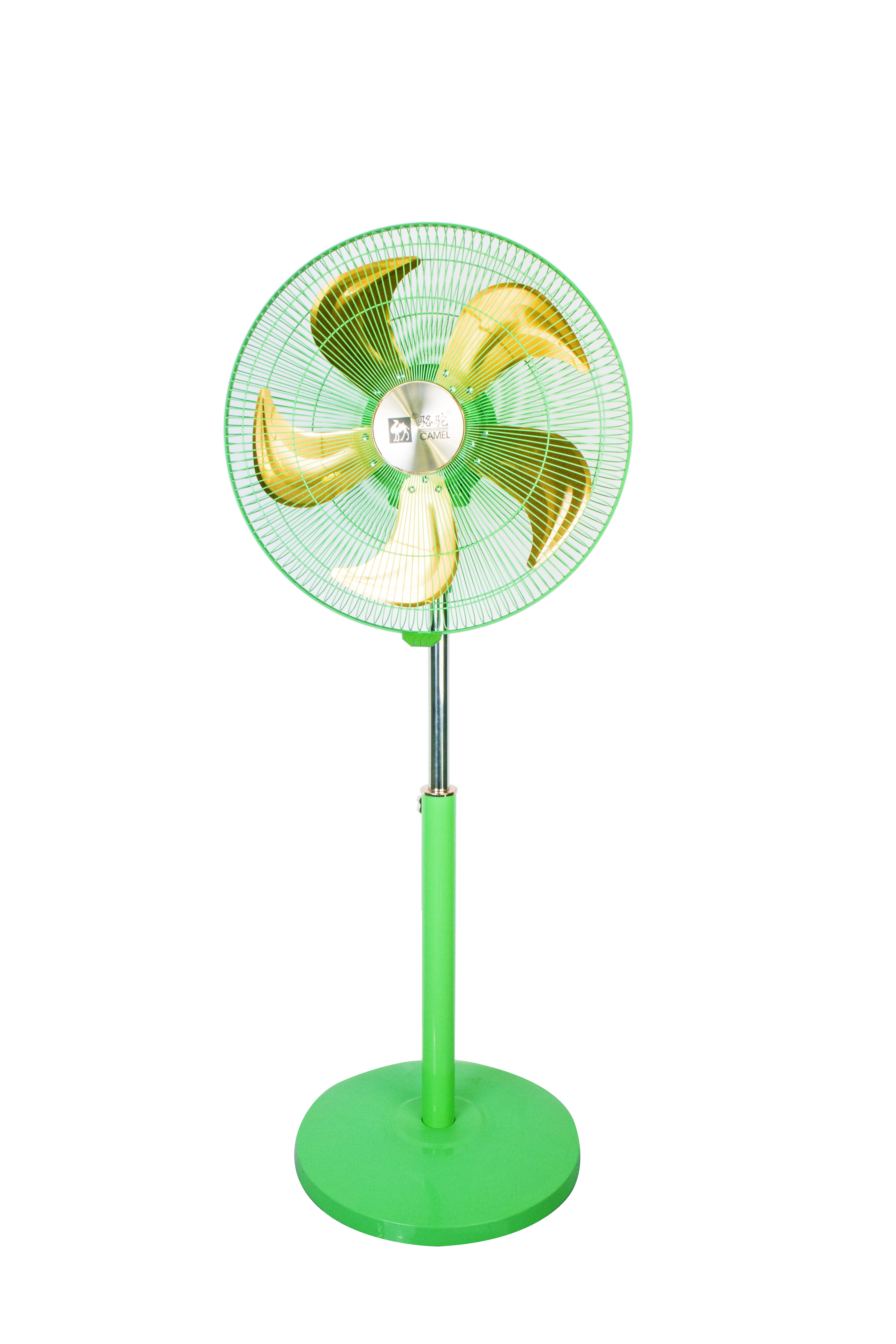
Using a cross-ventilation strategy, place your pedestal fans at two ends of a space, or in two diagonally opposite corners.
When fans are positioned this way, they create a cross breeze that draws in fresh air from open windows or vents, and pushes out the warm air that we all want to go away. Research on airflow with different fan placements found that this arrangement can increase the airflow velocity by about 40% when compared to having a single fan operating. In spaces that have an L shape or irregular angles, using fans in corners to direct air to the center can help reduce the stagnant air that seems to stay unmoved. Use approximately three feet of space between fans and walls or any obstructions. This distance is ideal because it maximizes airflow without causing turbulence that leads to inefficiencies.
Removing hot spots: Height, tilt, and oscillation range adjustments for better sdistrubtion
The most comfortable locations for people are fan locations set around people’s chests (roughly 4 feet off the ground). This provides the most effective air movement while still clearing the air under high ceilings. A 15 degree down tilt provides a better air movement as cold air settles on the floor, which typically accumulates heat from direct sunlight, window, and warm generating electronics (computers). A fan should swing fully across the room, ideally to cover 90 degrees. We tested this in multiple warehouses and found a 5 degrees Fahrenheit decrease in temperature. This, in addition to proper cross ventilation, provides an extremely effective method to eliminate hot spots in an area without having to install additional cooling systems.
Fitting Together Pedestal Fans and Other Cooling Equipment
Collaboration with ceiling fans: Circulation in multiple directions
When utilized in tandem, pedestal and ceiling fans provide a layered effect in terms of airflow. The large ceiling fans work by moving air vertically, and bringing down the cool air from the top to the people. The standing fans, on the other hand, provide horizontal air flow right at the user’s level. This combination helps to eliminate 'dead spots' in the usually neglected areas like corners of rooms, beneath shelves and behind desks where a ceiling fan would not be able to cover optimally. The air movement effect helps to cycle air - cool air is brought down and warms up, and is pushed up, and continues to cycle. Research states that a room can feel up to 5 degrees cooler with this method. To maximize the effect, it is recommended to position the pedestal fan in a different direction from the ceiling fan, to create good circulation in the room from the two systems.
Supplementing HVAC: Reducing runtime and energy costs in large commercial or warehouse spaces
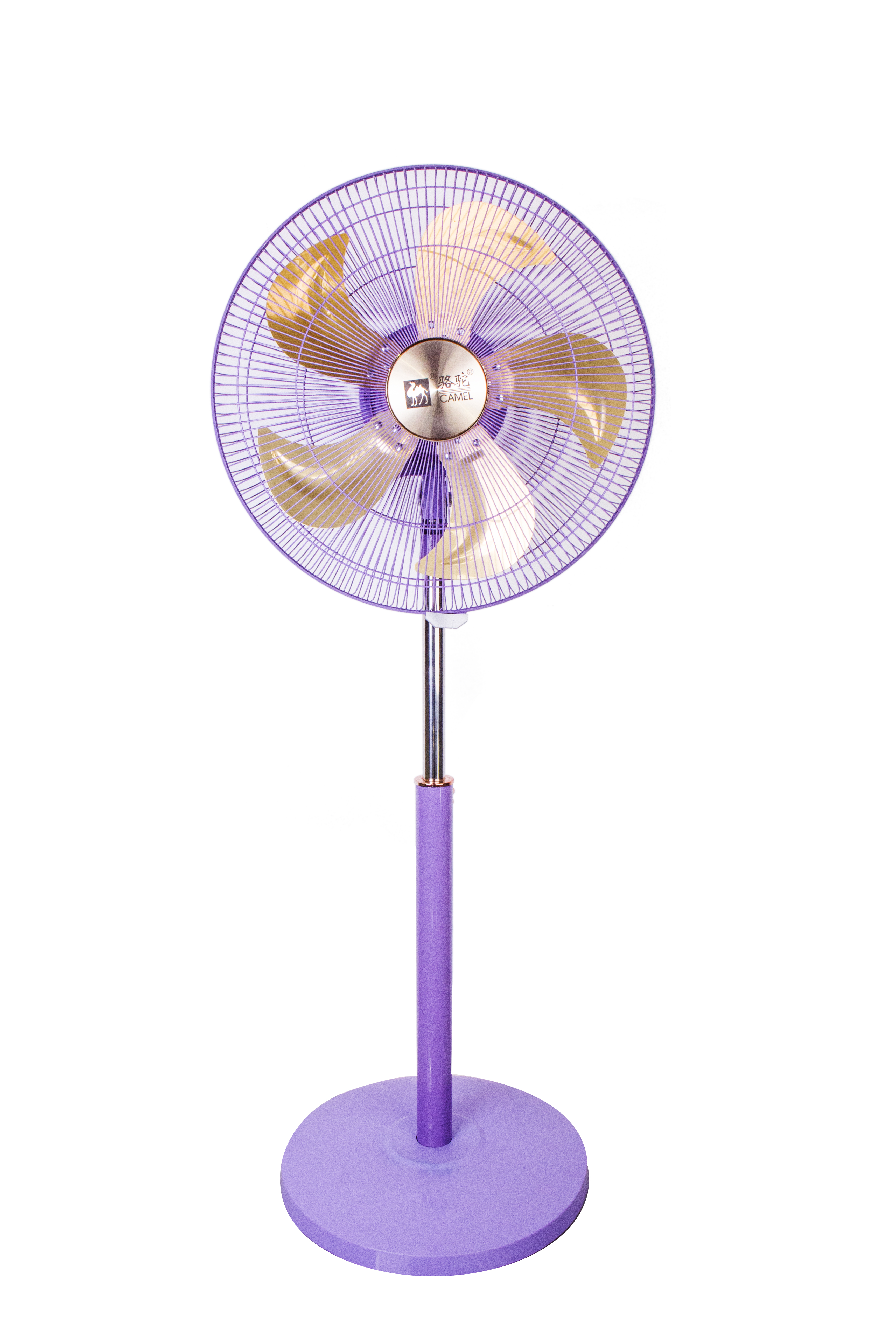
Pedestal fans can help to reduce HVAC system runtime by 20 to 30%. Fans are not a substitute for cooling systems, but are useful for systems on airflow and hot spot moderation of cooled air in large areas with machines or hot loading areas. When the sudden jumps in ambient temperature due to these hot spots are reduced there is less insulation from the main HVAC system. Facility managers are able to raise temperature settings on the HVAC by 4 to 7 degrees Fahrenheit and there is little to no impact on the comfort of the occupants. Since HVAC systems are so energy intensive (typically 50% of a buildings energy use is from the HVAC system) the less runtime they have the greater the energy savings. For many businesses lower electricity bills due to off peak rates and reduced monthly demand charges means that they can recover the costs of the fans in a little over a year.
FAQ
What makes pedestal fans ideal for cooling large rooms?
Pedestal fans in large spaces, due to their height adjustment, oscillation, and high airflow, air circulation, and surrounded hot or cold spots.
Do pedestal fans actually lower room temperature?
No, they may not change the ambient temperature, but they do create a wind chill effect that actually makes the occupants feel cooler.
What is the best way to set up pedestal fans in a large room?
For optimal air cooling, place fans at opposite ends of the room to create cross-ventilation, and use height adjustment and tilting functions to target and eliminate hot spots for air distribution.
What cooling systems can be used in conjunction with pedestal fans?
Pedestal fans can be used with cooling systems. They work particularly well with ceiling fans and HVAC systems. This combination improves efficiency, reduces energy use, and keeps the space at a comfortable temperature without over-taxing the systems.